THE ADVENTURE COLLECTIVE® · Independent discovery and booking for outdoor travel

From the fortress top at Sigiriya to the leopards of Yala and the colonial lanes of Galle, this seven-day loop stitches Sri Lanka’s most cinematic scenes into one practical itinerary. Expect hill-country trains, village cooks, and short hikes with big views.
From the fortress top at Sigiriya to the leopards of Yala and the colonial lanes of Galle, this seven-day loop stitches Sri Lanka’s most cinematic scenes into one practical itinerary. Expect hill-country trains, village cooks, and short hikes with big views.
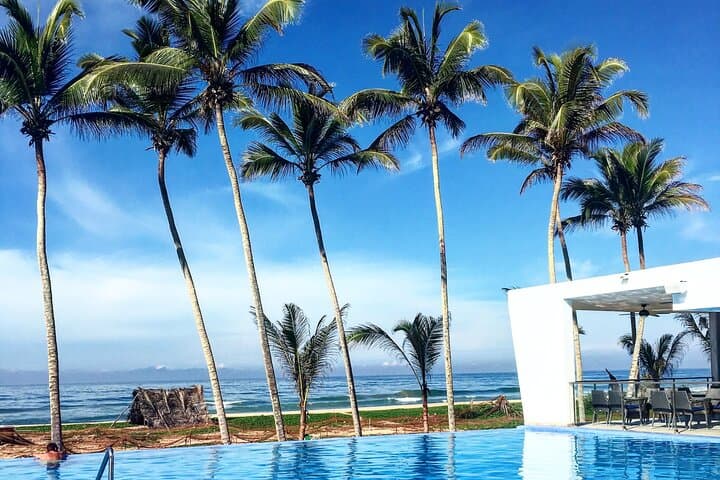
You climb Pidurangala as the sun bruises the limestone of Sigiriya into gold. The trail is narrow, the jungle smells like wet earth and cardamom, and the world unfolds—rice paddies, a checkerboard of tea, and a tower of rock that has watched the island for fifteen centuries. This seven-day loop compacts Sri Lanka’s contrasts: ancient frescoes and fortress ruins, hill-country trains that lurch along tea terraces, elephant-slow national parks and windswept southern beaches.
Verified experiences and guided adventures in the surrounding area.
Operated by Ceylon Paradise Travels · Sigiriya, Central Province
You climb Pidurangala as the sun bruises the limestone of Sigiriya into gold. The trail is narrow, the jungle smells like wet earth and cardamom, and the world unfolds—rice paddies, a checkerboard of tea, and a tower of rock that has watched the island for fifteen centuries. This seven-day loop compacts Sri Lanka’s contrasts: ancient frescoes and fortress ruins, hill-country trains that lurch along tea terraces, elephant-slow national parks and windswept southern beaches.
The itinerary reads like a condensed geography lesson. Sigiriya—a 5th-century rock fortress hewn from an extinct volcanic plug—rises roughly 200 meters above the surrounding plains, an engineered citadel of gardens and hydraulics. Kandy sits inland amid tea-country ridges and houses the Sacred Tooth Relic, a cultural axis of Sri Lankan Buddhism. The highlands around Nuwara Eliya and Ella are remnants of British colonial planting—rolling estates, steam trains and stone bridges like the 300-foot Nine Arch. Down south, Yala National Park conserves the highest leopard density in the world, while Galle Fort maps four centuries of colonial trade across its ramparts.
Cultural notes arrive along the way: village cooking in Hiriwadunna, an evening of Kandyan dance, tea factory tours that explain oxidation and flush times, and market visits where produce is still auctioned from wooden carts. Geologically, the island juxtaposes Precambrian metamorphics in the hills with volcanic intrusions like Sigiriya; hydrology matters here too—water powers irrigation channels that fed ancient gardens and still carve the hill-country ravines.
Practical guidance: expect varied terrain—short rocky climbs (Pidurangala, Little Adam’s Peak ~1,141 m approach), paved urban walking in Kandy, dusty jeep tracks in Yala and flat coastal strolls at Weligama. Daily driving is moderate; day one includes a two-hour transfer from pickup points. Entrance fees are often separate (Sigiriya ~USD 30, Pidurangala ~USD 3, Dambulla ~USD 5, Temple of the Tooth ~USD 5)—carry small cash. The Kandy–Ella train is one of the highlights; seat reservations are handled by the operator.
Gear and rhythm: pack a lightweight rain shell, sturdy walking shoes, sun protection and a reusable bottle with filtration. Dress modestly at religious sites—no shorts or bare shoulders—and remove shoes when required. Wildlife sightings are best at dawn and dusk; follow park rules and keep distance. The trip is paced for travelers with moderate fitness; time your travel to avoid heavy monsoon rains if planning beach and safari days.
This loop doesn’t rush Sri Lanka; it lets the island press close—tea steam on your face, leopards watching through dry grasses, temple bells marking a slow, bright time of day.
moderate.
7 days.
Suitable for travelers with a moderate level of fitness—short hikes, stairs and multi-hour drives are common.
Major site entrance fees (e.g., Sigiriya, Temple of the Tooth, Dambulla) are typically not included—bring small USD or LKR for ticket booths.
The operator arranges train reservations as part of the tour; there is no additional charge for the reservation when provided by the supplier.
Moderate fitness is recommended—expect short steep climbs, stairs and some uneven paths; most hikes are under an hour to 90 minutes.
Yes—the tour is described as highly customizable; contact the operator before booking to add or swap attractions.
Early morning or late afternoon are prime for leopard and elephant sightings—plan safari drives for those windows and expect cooler temperatures.
Dress conservatively at temples, remove shoes when required, avoid touching religious objects and ask before photographing worshippers.
Sigiriya’s rock fortress was a 5th-century royal citadel built on a volcanic plug and later surrounded by elaborate water gardens; colonial powers shaped coastal towns like Galle from the 16th century onward.
Yala and other parks manage high visitor volumes—stick to marked tracks, use licensed guides and avoid feeding wildlife to reduce human-wildlife conflict.
Ceylon Paradise Travels operates guided outdoor trips and adventures with an emphasis on safety, stewardship, and memorable experiences.

You climb Pidurangala as the sun bruises the limestone of Sigiriya into gold. The trail is narrow, the jungle smells like wet earth and cardamom, and the world unfolds—rice paddies, a checkerboard of tea, and a tower of rock that has watched the island for fifteen centuries. This seven-day loop compacts Sri Lanka’s contrasts: ancient frescoes and fortress ruins, hill-country trains that lurch along tea terraces, elephant-slow national parks and windswept southern beaches.
You climb Pidurangala as the sun bruises the limestone of Sigiriya into gold. The trail is narrow, the jungle smells like wet earth and cardamom, and the world unfolds—rice paddies, a checkerboard of tea, and a tower of rock that has watched the island for fifteen centuries. This seven-day loop compacts Sri Lanka’s contrasts: ancient frescoes and fortress ruins, hill-country trains that lurch along tea terraces, elephant-slow national parks and windswept southern beaches.
The itinerary reads like a condensed geography lesson. Sigiriya—a 5th-century rock fortress hewn from an extinct volcanic plug—rises roughly 200 meters above the surrounding plains, an engineered citadel of gardens and hydraulics. Kandy sits inland amid tea-country ridges and houses the Sacred Tooth Relic, a cultural axis of Sri Lankan Buddhism. The highlands around Nuwara Eliya and Ella are remnants of British colonial planting—rolling estates, steam trains and stone bridges like the 300-foot Nine Arch. Down south, Yala National Park conserves the highest leopard density in the world, while Galle Fort maps four centuries of colonial trade across its ramparts.
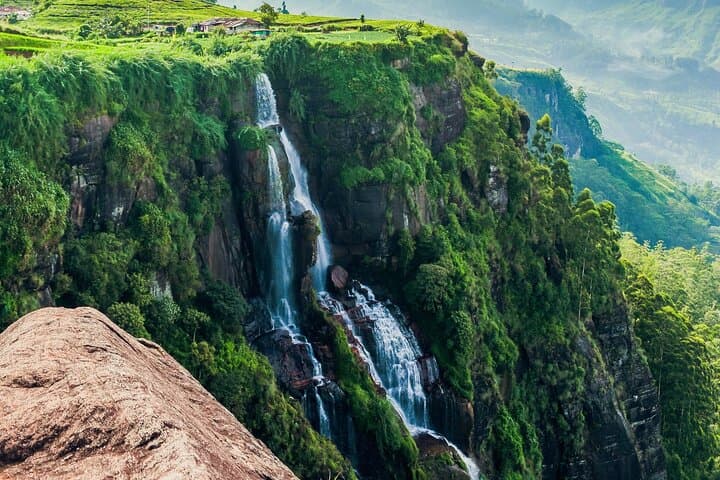
Cultural notes arrive along the way: village cooking in Hiriwadunna, an evening of Kandyan dance, tea factory tours that explain oxidation and flush times, and market visits where produce is still auctioned from wooden carts. Geologically, the island juxtaposes Precambrian metamorphics in the hills with volcanic intrusions like Sigiriya; hydrology matters here too—water powers irrigation channels that fed ancient gardens and still carve the hill-country ravines.
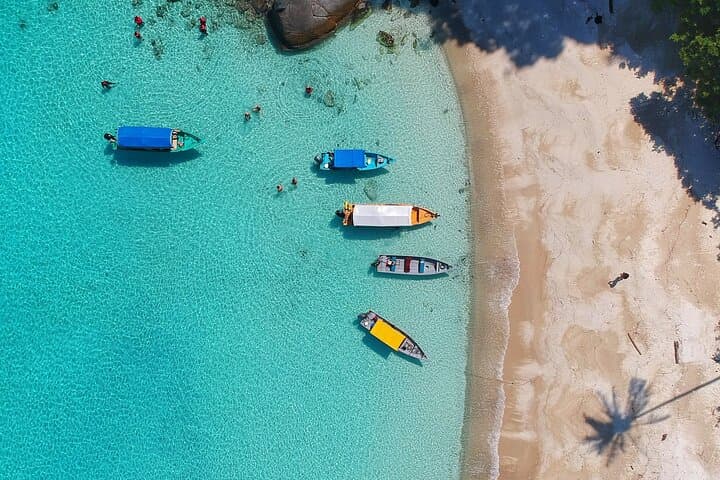
Practical guidance: expect varied terrain—short rocky climbs (Pidurangala, Little Adam’s Peak ~1,141 m approach), paved urban walking in Kandy, dusty jeep tracks in Yala and flat coastal strolls at Weligama. Daily driving is moderate; day one includes a two-hour transfer from pickup points. Entrance fees are often separate (Sigiriya ~USD 30, Pidurangala ~USD 3, Dambulla ~USD 5, Temple of the Tooth ~USD 5)—carry small cash. The Kandy–Ella train is one of the highlights; seat reservations are handled by the operator.
Gear and rhythm: pack a lightweight rain shell, sturdy walking shoes, sun protection and a reusable bottle with filtration. Dress modestly at religious sites—no shorts or bare shoulders—and remove shoes when required. Wildlife sightings are best at dawn and dusk; follow park rules and keep distance. The trip is paced for travelers with moderate fitness; time your travel to avoid heavy monsoon rains if planning beach and safari days.
This loop doesn’t rush Sri Lanka; it lets the island press close—tea steam on your face, leopards watching through dry grasses, temple bells marking a slow, bright time of day.