THE ADVENTURE COLLECTIVE® · Independent discovery and booking for outdoor travel

A seven-day circuit of Southern Albania that moves from the UNESCO ruins of Butrint to the cobalt spring of the Blue Eye and the beaches of Ksamil. This tour balances cultural sites, coastal drives and short nature walks with Saranda as your base.
A seven-day circuit of Southern Albania that moves from the UNESCO ruins of Butrint to the cobalt spring of the Blue Eye and the beaches of Ksamil. This tour balances cultural sites, coastal drives and short nature walks with Saranda as your base.
You arrive on the coastal road where the Ionian Sea keeps time with the wheels of the van — cliffs drop, villages crouch on terraces, and the air smells of salt and pine.
Verified experiences and guided adventures in the surrounding area.
Operated by Tea Tours · Saranda, Vlorë County
You arrive on the coastal road where the Ionian Sea keeps time with the wheels of the van — cliffs drop, villages crouch on terraces, and the air smells of salt and pine.
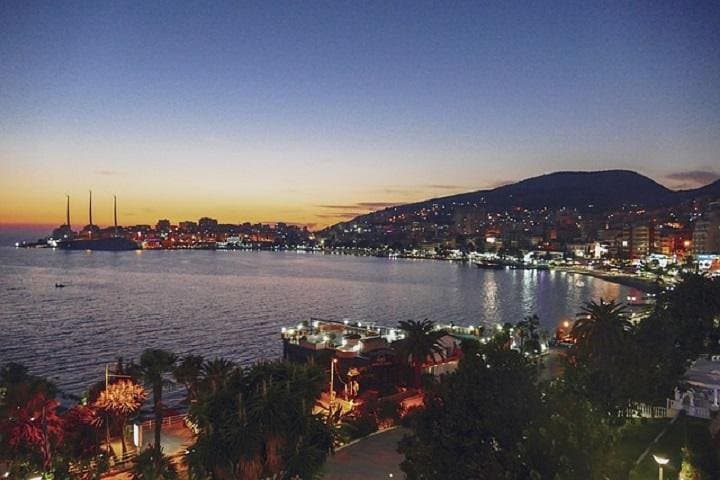
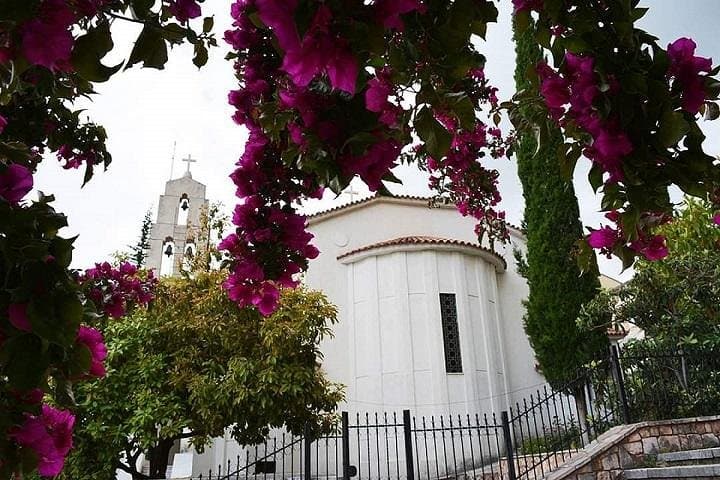
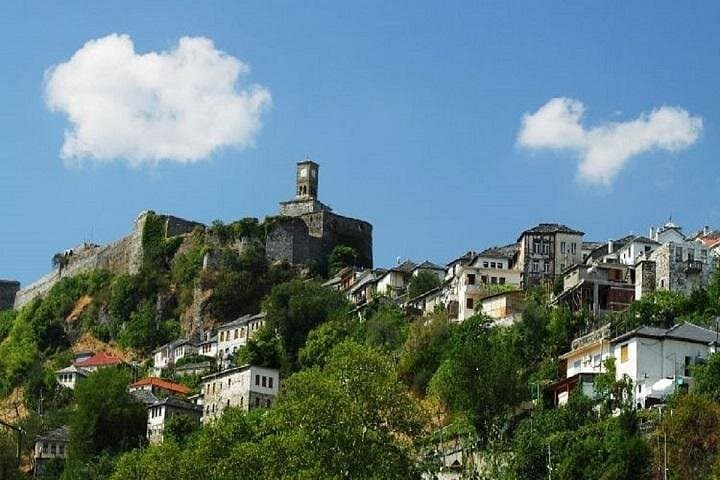
Over seven days you move between sea and mountain: Saranda’s bay opens into Ksamil’s islets, stone streets climb to Gjirokastër’s fortress, and a karst spring called the Blue Eye bubbles like a natural mirror. The itinerary threads centuries: Illyrian, Greek and Roman ruins at Butrint, Byzantine churches and Ottoman-era houses in Gjirokastër, and Ottoman fortifications like Lekuresi overlooking the bay.
Geology here is blunt and visible — limestone folded into coastal ridges and karst springs that re-emerge from deep underground chambers (the Blue Eye plunges to near 50 m). Local culture is pragmatic and hospitable: family-run guesthouses, seaside tavernas serving fresh fish and simple mountain cheeses, and small market towns where Albanian, Greek and Mediterranean influences meet.
Practical guidance: expect a mix of driving and short walks — many sites require steps or uneven cobbles. Gjirokastër involves uphill walking through stone lanes; Blue Eye requires a short, sometimes muddy trail to the spring. Pack sturdy walking shoes, sun protection and a swim kit for Ksamil. Travel light between accommodations (this tour is base in Saranda with daily excursions).
Timing matters — visit archaeological parks in the morning to avoid heat, and reserve late afternoon for Lekuresi or seaside beaches when the light softens and the sea dares you to jump in.
moderate.
7 days.
Moderate — suitable for travelers comfortable with several short hikes, stairs, and multi-hour drives.
Pickups are available from Rinas/Tirana Airport or Saranda Port — specify arrival details when booking for timed pickup.
Butrint and Blue Eye visits are part of the itinerary; check inclusion with the operator since some admissions may be paid locally.
Families can join, but expect uneven surfaces and stairs; the tour requires at least moderate fitness and is not ideal for guests with serious mobility limitations.
Albanian lek is common for small purchases; euros are often accepted in tourist areas — tipping 5–10% at restaurants is appreciated but not mandatory.
Southern Albania holds layers from ancient Epirus through Greek, Roman and Byzantine eras; Butrint is a UNESCO-protected archaeological park reflecting that depth.
Coastal and karst features like the Blue Eye are ecologically sensitive — stick to marked paths, avoid littering and support local guides to reduce impact.
Tea Tours operates guided outdoor trips and adventures with an emphasis on safety, stewardship, and memorable experiences.

You arrive on the coastal road where the Ionian Sea keeps time with the wheels of the van — cliffs drop, villages crouch on terraces, and the air smells of salt and pine.
You arrive on the coastal road where the Ionian Sea keeps time with the wheels of the van — cliffs drop, villages crouch on terraces, and the air smells of salt and pine.
Over seven days you move between sea and mountain: Saranda’s bay opens into Ksamil’s islets, stone streets climb to Gjirokastër’s fortress, and a karst spring called the Blue Eye bubbles like a natural mirror. The itinerary threads centuries: Illyrian, Greek and Roman ruins at Butrint, Byzantine churches and Ottoman-era houses in Gjirokastër, and Ottoman fortifications like Lekuresi overlooking the bay.
Geology here is blunt and visible — limestone folded into coastal ridges and karst springs that re-emerge from deep underground chambers (the Blue Eye plunges to near 50 m). Local culture is pragmatic and hospitable: family-run guesthouses, seaside tavernas serving fresh fish and simple mountain cheeses, and small market towns where Albanian, Greek and Mediterranean influences meet.
Practical guidance: expect a mix of driving and short walks — many sites require steps or uneven cobbles. Gjirokastër involves uphill walking through stone lanes; Blue Eye requires a short, sometimes muddy trail to the spring. Pack sturdy walking shoes, sun protection and a swim kit for Ksamil. Travel light between accommodations (this tour is base in Saranda with daily excursions).
Timing matters — visit archaeological parks in the morning to avoid heat, and reserve late afternoon for Lekuresi or seaside beaches when the light softens and the sea dares you to jump in.