THE ADVENTURE COLLECTIVE® · Independent discovery and booking for outdoor travel

A compact seven-day trek from Pokhara to Annapurna Base Camp that packs high Himalayan views, cultural village stops, and lodge-to-lodge logistics into a single week. Ideal for fit trekkers who want a concentrated ABC experience.
A compact seven-day trek from Pokhara to Annapurna Base Camp that packs high Himalayan views, cultural village stops, and lodge-to-lodge logistics into a single week. Ideal for fit trekkers who want a concentrated ABC experience.
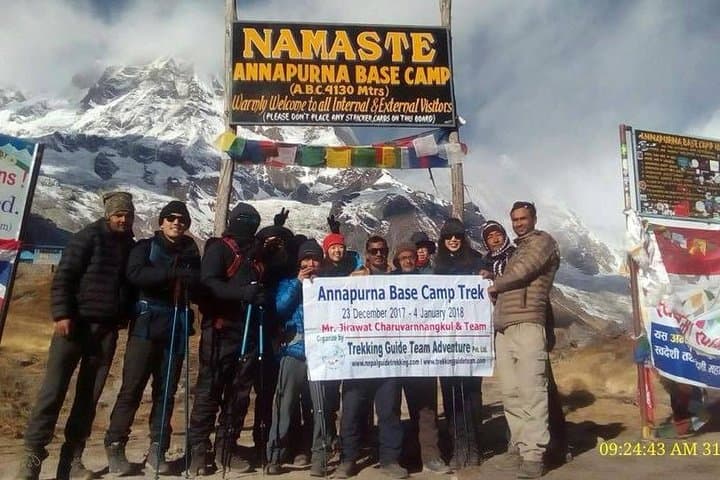
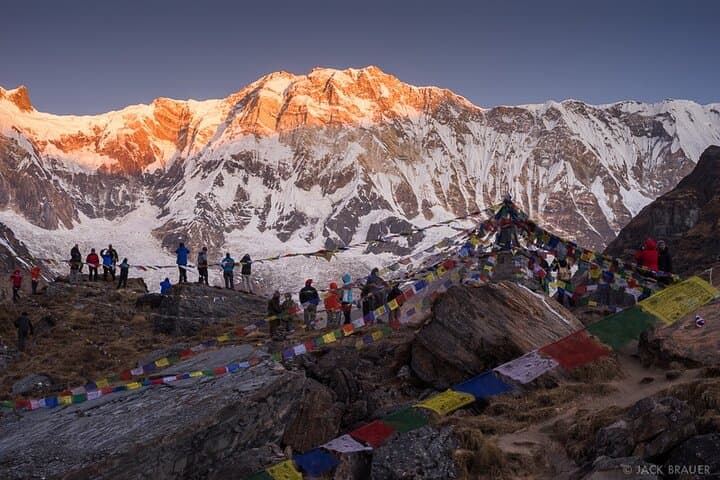
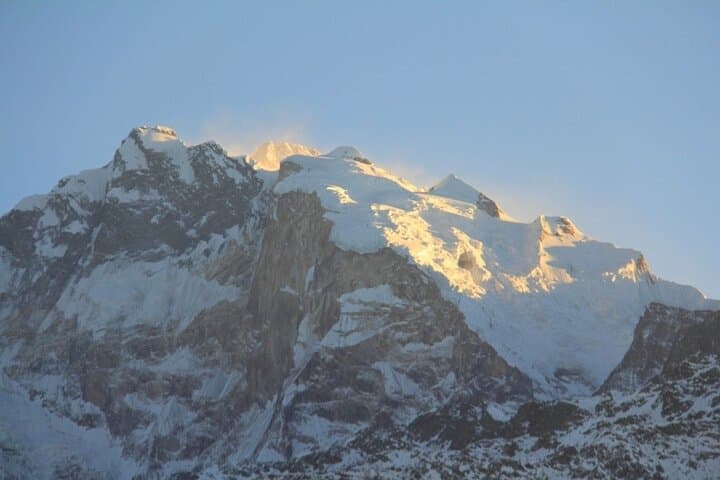
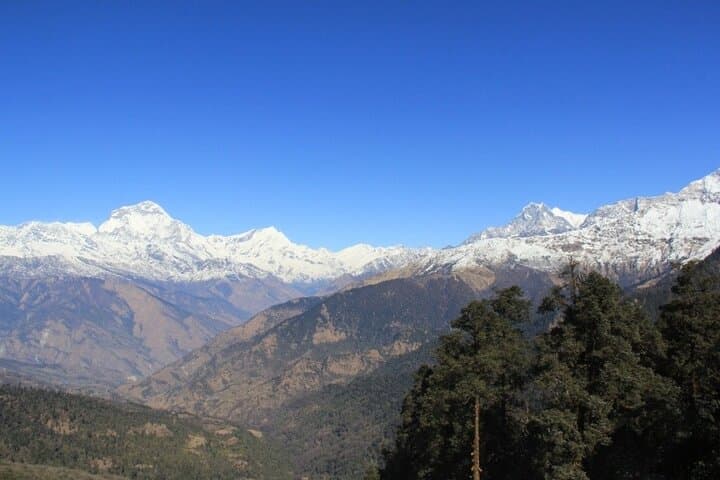
Dense rhododendron presses close and the trail narrows into a stone stairway; above, Annapurna’s ridgelines push cold air down the valley like a constant, visible breath. Over seven days this short route climbs from subtropical valleys into the high, glacial cirque of Annapurna Base Camp (ABC), delivering sweep-after-sweep of Annapurna I, Machhapuchhre (Fishtail), and the Dhaulagiri massif.
Verified experiences and guided adventures in the surrounding area.
Operated by Trekking Guide Team Adventure · Pokhara, Gandaki Province
Dense rhododendron presses close and the trail narrows into a stone stairway; above, Annapurna’s ridgelines push cold air down the valley like a constant, visible breath. Over seven days this short route climbs from subtropical valleys into the high, glacial cirque of Annapurna Base Camp (ABC), delivering sweep-after-sweep of Annapurna I, Machhapuchhre (Fishtail), and the Dhaulagiri massif.
The route threads traditional Gurung and Magar villages—stone houses, prayer flags, and tea houses that have hosted trekkers for decades. Geologically the trail runs along steep river-cut terraces and moraines from past glaciation; expect loose scree and well-graded stone steps in higher sections. Culturally the trek is a living corridor: local lodges are family-run, food follows altitude (heavier at low elevations, lighter at high), and community-managed trails are tied to the Annapurna Conservation Area’s regulations.
Practically, this itinerary compresses acclimatization into a tight schedule—good conditioning and respect for altitude symptoms are essential. Pack layered insulation, a reliable down jacket, and sturdy ankle-support boots for mixed dirt, rock and occasional snow at camp. Daily walking ranges between 4–7 hours with one longer push toward ABC; altitude gain is steady and the path alternates between forested gullies and exposed ridgelines.
Timing departures for early starts avoids afternoon Himalayan weather. Hydrate deliberately, use a guide for route-choices and local logistics, and prioritize nights in tea houses to support local economies. The short ABC trek offers concentrated alpine drama for travelers who want maximum mountain exposure in a single week.
challenging.
6–7 days.
Good cardiovascular fitness and strong leg endurance; prior multi-day hiking experience recommended.
This short itinerary compresses altitude gain—good fitness helps but monitor symptoms; guides may add a rest or slower day if needed.
Guides are strongly recommended for navigation, acclimatization guidance, and local liaison; porters are optional but common for comfort.
Tea-house lodges provide basic twin rooms, shared bathrooms and hot meals—comfort decreases with altitude but supports local communities.
Spring and fall offer the most stable weather and clear mountain views; shoulder seasons require more gear for cold or snow.
The Annapurna region became one of the world’s first conservation areas in the 1980s; trekking routes developed with village-based lodge networks and TIMS registration to manage impacts.
Trekkers should pack out non-biodegradable waste where possible, respect local water use, and follow Annapurna Conservation Area rules to minimize trail erosion and litter.
Trekking Guide Team Adventure operates guided outdoor trips and adventures with an emphasis on safety, stewardship, and memorable experiences.
Dense rhododendron presses close and the trail narrows into a stone stairway; above, Annapurna’s ridgelines push cold air down the valley like a constant, visible breath. Over seven days this short route climbs from subtropical valleys into the high, glacial cirque of Annapurna Base Camp (ABC), delivering sweep-after-sweep of Annapurna I, Machhapuchhre (Fishtail), and the Dhaulagiri massif.
Dense rhododendron presses close and the trail narrows into a stone stairway; above, Annapurna’s ridgelines push cold air down the valley like a constant, visible breath. Over seven days this short route climbs from subtropical valleys into the high, glacial cirque of Annapurna Base Camp (ABC), delivering sweep-after-sweep of Annapurna I, Machhapuchhre (Fishtail), and the Dhaulagiri massif.
The route threads traditional Gurung and Magar villages—stone houses, prayer flags, and tea houses that have hosted trekkers for decades. Geologically the trail runs along steep river-cut terraces and moraines from past glaciation; expect loose scree and well-graded stone steps in higher sections. Culturally the trek is a living corridor: local lodges are family-run, food follows altitude (heavier at low elevations, lighter at high), and community-managed trails are tied to the Annapurna Conservation Area’s regulations.
Practically, this itinerary compresses acclimatization into a tight schedule—good conditioning and respect for altitude symptoms are essential. Pack layered insulation, a reliable down jacket, and sturdy ankle-support boots for mixed dirt, rock and occasional snow at camp. Daily walking ranges between 4–7 hours with one longer push toward ABC; altitude gain is steady and the path alternates between forested gullies and exposed ridgelines.
Timing departures for early starts avoids afternoon Himalayan weather. Hydrate deliberately, use a guide for route-choices and local logistics, and prioritize nights in tea houses to support local economies. The short ABC trek offers concentrated alpine drama for travelers who want maximum mountain exposure in a single week.