THE ADVENTURE COLLECTIVE® · Independent discovery and booking for outdoor travel

A seven-day circuit from Mombasa across Tsavo East, the Taita Hills and Amboseli offers regular big-5 sightings and dramatic landscapes from coastal plains to Kilimanjaro’s foothills. Expect long drives, sunrise and sunset game drives, and a mix of lodge and tented-camp nights.
A seven-day circuit from Mombasa across Tsavo East, the Taita Hills and Amboseli offers regular big-5 sightings and dramatic landscapes from coastal plains to Kilimanjaro’s foothills. Expect long drives, sunrise and sunset game drives, and a mix of lodge and tented-camp nights.
Dawn breaks over the coastal highway and the ocean’s humidity gives way to the dry heat of the interior as your safari vehicle heads inland from Mombasa. Dust lifts from the track like a curtain and the land opens into the ochre plains of Tsavo East, where herds of elephants rearrange the horizon and scrub acacias dare you to come closer.
Verified experiences and guided adventures in the surrounding area.
Dawn breaks over the coastal highway and the ocean’s humidity gives way to the dry heat of the interior as your safari vehicle heads inland from Mombasa. Dust lifts from the track like a curtain and the land opens into the ochre plains of Tsavo East, where herds of elephants rearrange the horizon and scrub acacias dare you to come closer.
This route threads colonial-era rail camps, the ancient Taita Hills of southeastern Kenya and the iconic Amboseli flats that frame Mount Kilimanjaro. Geologically, you move from coastal sediments into old volcanic uplifts and Rift Valley faulting; vegetation shifts from coastal scrub to semi-arid savanna and montane forest patches in Taita. Culturally, small market towns and community conservancies punctuate the route — local guides often point out Taita people's conservation efforts and the railway history that shaped early tourism.
Expect long but scenic drives (several 3–6 hour transfer days), game drives at dawn and dusk, and lodge or tented-camp nights rather than strenuous hikes. The experience is about wildlife encounters—elephant herds, lions, giraffes and sky-wide birding—plus moments of quiet in scrubby riverine corridors.
Practical guidance: travel light but bring layered clothing for cool mornings, sun protection, binoculars and medicines for malaria prevention. Vehicles are typically 4x4 with pop-up roofs; charging and internet are limited in parks. Park fees, permits and local guides are standard; confirm what’s included before booking. This seven-day loop rewards patience, an early alarm and a readiness to read the land as much as the wildlife.
moderate.
7 days.
Light to moderate fitness; you should be comfortable with several hours in a vehicle and short walks at game-viewing stops
Most itineraries include at least one morning and one evening game drive, with mid-day transfers between parks on some days.
Yellow fever vaccination may be required depending on your origin; malaria prophylaxis is strongly recommended—check with a travel clinic.
Accommodations typically range from mid-level lodges to tented camps; confirm the exact standard and meal plan before booking.
Children are often welcome, but long drives and early wake-ups can be challenging; check age restrictions and child policies with the operator.
The route follows corridors shaped by the colonial-era Kenya-Uganda railway and centuries of pastoral and agricultural use by local communities, whose conservancies now partner in tourism.
Community conservancies and park fees fund anti-poaching and habitat restoration; choose operators that support local projects and minimize off-road driving.
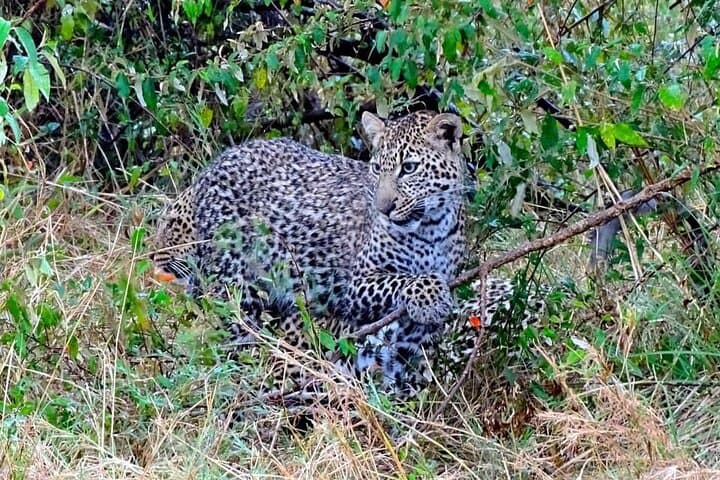
Dawn breaks over the coastal highway and the ocean’s humidity gives way to the dry heat of the interior as your safari vehicle heads inland from Mombasa. Dust lifts from the track like a curtain and the land opens into the ochre plains of Tsavo East, where herds of elephants rearrange the horizon and scrub acacias dare you to come closer.
Dawn breaks over the coastal highway and the ocean’s humidity gives way to the dry heat of the interior as your safari vehicle heads inland from Mombasa. Dust lifts from the track like a curtain and the land opens into the ochre plains of Tsavo East, where herds of elephants rearrange the horizon and scrub acacias dare you to come closer.
This route threads colonial-era rail camps, the ancient Taita Hills of southeastern Kenya and the iconic Amboseli flats that frame Mount Kilimanjaro. Geologically, you move from coastal sediments into old volcanic uplifts and Rift Valley faulting; vegetation shifts from coastal scrub to semi-arid savanna and montane forest patches in Taita. Culturally, small market towns and community conservancies punctuate the route — local guides often point out Taita people's conservation efforts and the railway history that shaped early tourism.
Expect long but scenic drives (several 3–6 hour transfer days), game drives at dawn and dusk, and lodge or tented-camp nights rather than strenuous hikes. The experience is about wildlife encounters—elephant herds, lions, giraffes and sky-wide birding—plus moments of quiet in scrubby riverine corridors.
Practical guidance: travel light but bring layered clothing for cool mornings, sun protection, binoculars and medicines for malaria prevention. Vehicles are typically 4x4 with pop-up roofs; charging and internet are limited in parks. Park fees, permits and local guides are standard; confirm what’s included before booking. This seven-day loop rewards patience, an early alarm and a readiness to read the land as much as the wildlife.