THE ADVENTURE COLLECTIVE® · Independent discovery and booking for outdoor travel

A packed seven-day loop from Cusco through the Sacred Valley to Machu Picchu, Rainbow Mountain, and Humantay Lake. Expect high-altitude hikes, Inca terraces, salt pans and a mix of guided archaeology and strenuous day treks.
A packed seven-day loop from Cusco through the Sacred Valley to Machu Picchu, Rainbow Mountain, and Humantay Lake. Expect high-altitude hikes, Inca terraces, salt pans and a mix of guided archaeology and strenuous day treks.
You step off the bus into Cusco’s thin air and the city hums like an old engine waking up—stone streets, stony-faced colonial façades, and a skyline of serrated Andes. Over seven days this itinerary moves from Cusco’s archaeological ring to the high grasslands, salt pans, and the steep terraces that cradle the Sacred Valley, culminating in the ruined citadel of Machu Picchu and two high-altitude day hikes—Winicunca (Rainbow Mountain) and the glacial-fed Humantay Lake.
Verified experiences and guided adventures in the surrounding area.
Operated by Chullos Travel Peru · Cusco, Cusco Region
You step off the bus into Cusco’s thin air and the city hums like an old engine waking up—stone streets, stony-faced colonial façades, and a skyline of serrated Andes. Over seven days this itinerary moves from Cusco’s archaeological ring to the high grasslands, salt pans, and the steep terraces that cradle the Sacred Valley, culminating in the ruined citadel of Machu Picchu and two high-altitude day hikes—Winicunca (Rainbow Mountain) and the glacial-fed Humantay Lake.
The route threads Inca engineering and Andean geology: moraines and granitic outcrops, terraced agricultural circles at Moray, and evaporated salt pans at Maras carved into the mountainside. Cultural notes are constant—Quechua markets, colonial churches built on Inca foundations, and the living craft traditions of Chinchero and Ollantaytambo.
Expect early mornings, high passes (Rainbow Mountain sits above 5,000 m on approach; Humantay’s lake is ~4,250 m), and sustained walking on uneven trails and loose scree. Machu Picchu visits follow Ministry of Culture ticketing rules and may be allocated to circuit 1 or 2; guides will adapt to available entry windows. Acclimatize in Cusco for at least 24–48 hours, pace climbs, and carry layers—sun, wind, and cold can arrive in the same afternoon.
Practical tips: bring a small daypack, snacks, and water purification options; use trekking poles for steep descents; schedule Rain days in shoulder seasons; and respect site rules at Machu Picchu to protect fragile stonework. With sensible preparation, this seven-day loop delivers an efficient, terrain-rich introduction to southern Peru’s highland landscapes and living Andean culture.
challenging.
7 days.
Moderate to high fitness recommended; ability to hike 2–4 hours at altitude and tolerate steep, uneven terrain.
Tickets are purchased according to Ministry of Culture availability (circuits 1 or 2); if no tickets are available you will receive a full refund for that portion of the package.
Plan 24–48 hours in Cusco to start; if you feel short of breath or have severe symptoms, descend and seek medical attention—oxygen is often carried by guides.
Both are day hikes with climbs at high elevation—Rainbow Mountain approaches can reach 5,000 m and Humantay Lake is ~4,250 m, so they are physically demanding primarily due to altitude.
The tour includes breakfasts and several lunches, hotel accommodations (3★), train fares to Aguas Calientes, buses to Machu Picchu, and ground transport in an air-conditioned vehicle as listed.
The Sacred Valley was a productive agricultural and ritual landscape for the Incas; sites like Moray and Maras show advanced soil and water management.
Visitor limits at Machu Picchu and strict trail rules protect fragile archaeological and alpine environments—pack out waste and stay on designated paths.
Chullos Travel Peru operates guided outdoor trips and adventures with an emphasis on safety, stewardship, and memorable experiences.
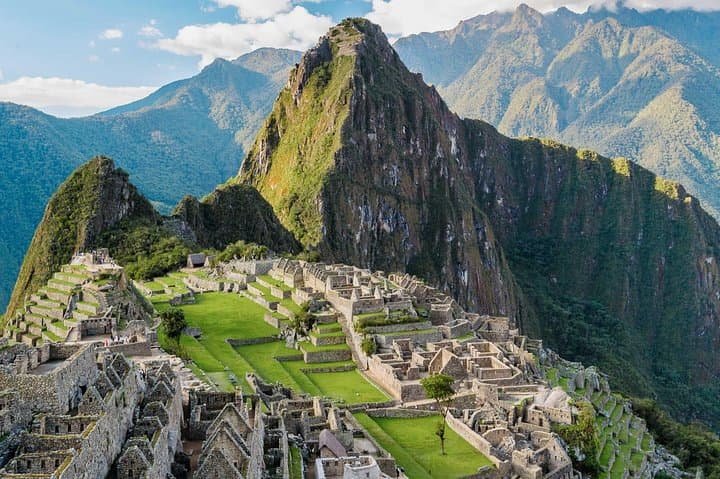
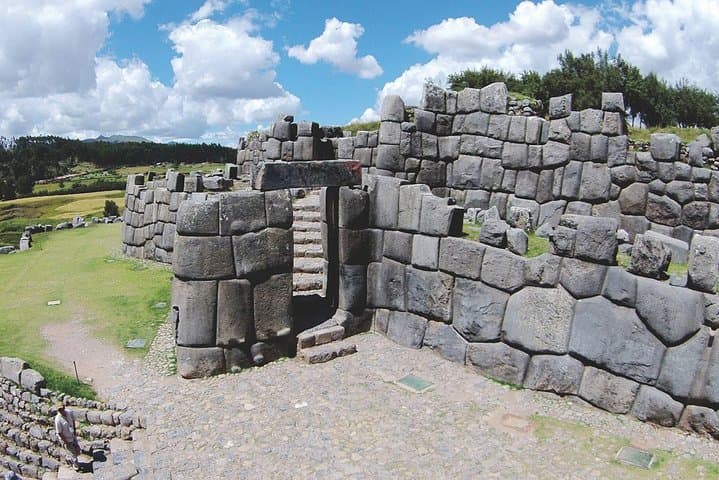
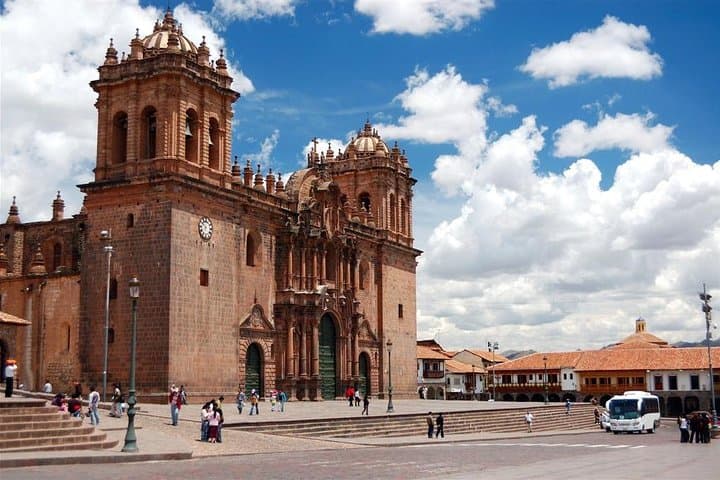
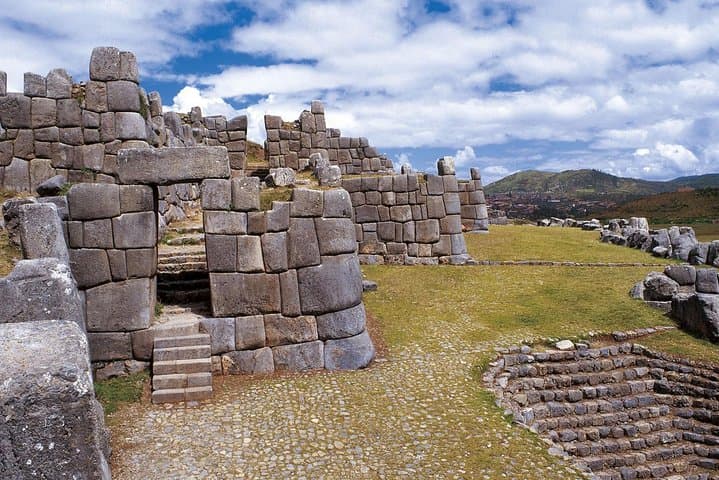
You step off the bus into Cusco’s thin air and the city hums like an old engine waking up—stone streets, stony-faced colonial façades, and a skyline of serrated Andes. Over seven days this itinerary moves from Cusco’s archaeological ring to the high grasslands, salt pans, and the steep terraces that cradle the Sacred Valley, culminating in the ruined citadel of Machu Picchu and two high-altitude day hikes—Winicunca (Rainbow Mountain) and the glacial-fed Humantay Lake.
You step off the bus into Cusco’s thin air and the city hums like an old engine waking up—stone streets, stony-faced colonial façades, and a skyline of serrated Andes. Over seven days this itinerary moves from Cusco’s archaeological ring to the high grasslands, salt pans, and the steep terraces that cradle the Sacred Valley, culminating in the ruined citadel of Machu Picchu and two high-altitude day hikes—Winicunca (Rainbow Mountain) and the glacial-fed Humantay Lake.
The route threads Inca engineering and Andean geology: moraines and granitic outcrops, terraced agricultural circles at Moray, and evaporated salt pans at Maras carved into the mountainside. Cultural notes are constant—Quechua markets, colonial churches built on Inca foundations, and the living craft traditions of Chinchero and Ollantaytambo.
Expect early mornings, high passes (Rainbow Mountain sits above 5,000 m on approach; Humantay’s lake is ~4,250 m), and sustained walking on uneven trails and loose scree. Machu Picchu visits follow Ministry of Culture ticketing rules and may be allocated to circuit 1 or 2; guides will adapt to available entry windows. Acclimatize in Cusco for at least 24–48 hours, pace climbs, and carry layers—sun, wind, and cold can arrive in the same afternoon.
Practical tips: bring a small daypack, snacks, and water purification options; use trekking poles for steep descents; schedule Rain days in shoulder seasons; and respect site rules at Machu Picchu to protect fragile stonework. With sensible preparation, this seven-day loop delivers an efficient, terrain-rich introduction to southern Peru’s highland landscapes and living Andean culture.