THE ADVENTURE COLLECTIVE® · Independent discovery and booking for outdoor travel

A quieter northern ascent of Kilimanjaro, the 7-day Rongai Route pairs remote wilderness and varied terrain with solid acclimatization—ideal for hikers aiming for Uhuru Peak without the crowds. Read on for what to expect, from campsites to summit-night strategy.
A quieter northern ascent of Kilimanjaro, the 7-day Rongai Route pairs remote wilderness and varied terrain with solid acclimatization—ideal for hikers aiming for Uhuru Peak without the crowds. Read on for what to expect, from campsites to summit-night strategy.
You step off the vehicle at Rongai Gate and the air changes: cooler, thinner, and scented with moss and eucalyptus. The trail climbs a quieter, northern face of Kilimanjaro, pushing through montane forest into moorland where Mawenzi looms like a jagged spine and the Amboseli plains unfurl to the north.
Verified experiences and guided adventures in the surrounding area.
Operated by Kilimanjaro Heroes Adventures · Moshi, Kilimanjaro Region
You step off the vehicle at Rongai Gate and the air changes: cooler, thinner, and scented with moss and eucalyptus. The trail climbs a quieter, northern face of Kilimanjaro, pushing through montane forest into moorland where Mawenzi looms like a jagged spine and the Amboseli plains unfurl to the north.
The Rongai Route traces a less-trafficked ascent historically used by traders and border patrols between Tanzania and Kenya. Geologically, Kilimanjaro is a dormant stratovolcano composed of three cones—Shira, Mawenzi and Kibo—with Kibo’s volcanic crater holding Uhuru Peak, Africa’s highest point. Culturally, the mountain is central to Chagga communities who farm the lower flanks; Moshi town serves as the logistical hub for climbs.
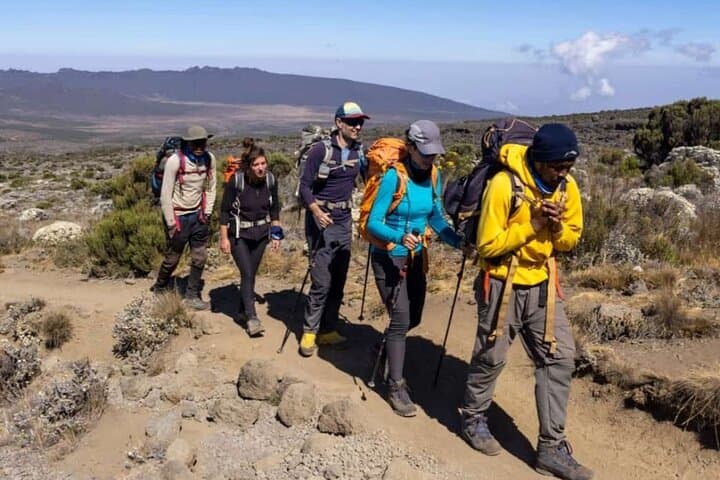
Expect varied terrain: muddy forest steps, tussock moorland, the rocky lunar expanse of the Saddle, then the steep scree of the final night push to Gilman’s Point and Uhuru. Wildlife sightings—elephant, buffalo, antelope, and colobus monkeys—are possible on the remote Rongai approach.
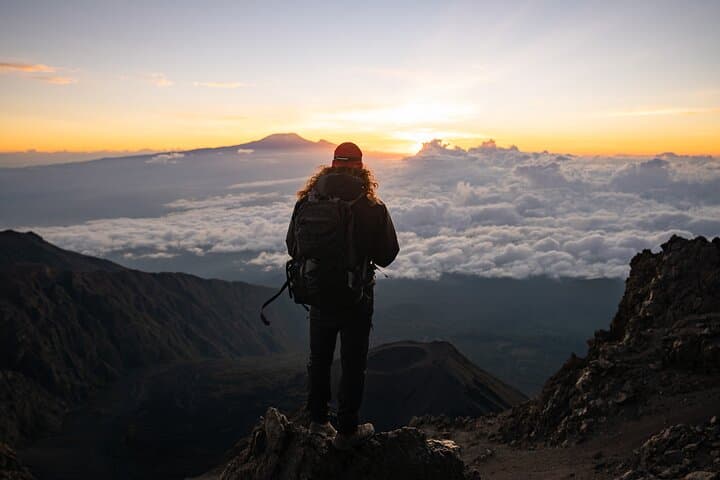
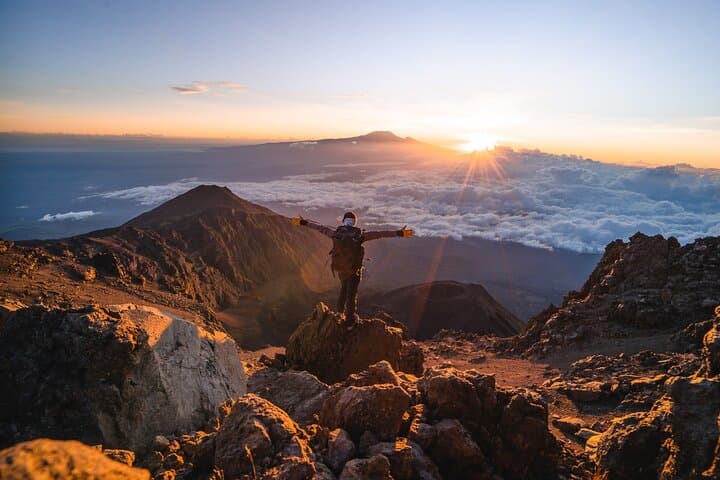
Practical guidance: plan for conservative pacing and built-in acclimatization days (this itinerary includes key acclimatization at Kikelewa and Mawenzi Tarn). Hydration, layered insulation, and trekking poles make summit night manageable. Accommodation is tented camping and a hotel in Moshi; expect communal mess tents and porter-supported logistics. Summit starts around midnight; aim to keep a steady, slow rhythm to cope with altitude. Weather can swing from sun to sleet within hours—carry windproof outer layers and a reliable headlamp. With proper preparation the Rongai offers a quieter route to the roof of Africa, rewarding persistence with panoramic summit views and a genuine wilderness feel.
challenging.
7 days.
Requires good cardiovascular fitness and stamina for sustained hiking at altitude; regular hill training recommended
No technical climbing skills are needed—this is a high-altitude trek rather than a technical ascent, but prior multi-day trekking experience is strongly recommended.
Altitude sickness, sudden weather changes, and slips on scree or wet trails are the primary risks; proper acclimatization, pacing, and gear mitigate most issues.
The clearest windows are January–March and June–October; avoid the long rains (April–May) if possible for better trail conditions.
You should have good aerobic fitness and endurance—able to hike 5–8 hours comfortably on consecutive days with a light daypack.
Kilimanjaro formed from volcanic activity; the first recorded ascent of Uhuru Peak was in 1889 by Hans Meyer and Ludwig Purtscheller.
Climbing fees and park regulations fund conservation; stick to designated campsites and pack out waste to minimize impact.
Kilimanjaro Heroes Adventures operates guided outdoor trips and adventures with an emphasis on safety, stewardship, and memorable experiences.
You step off the vehicle at Rongai Gate and the air changes: cooler, thinner, and scented with moss and eucalyptus. The trail climbs a quieter, northern face of Kilimanjaro, pushing through montane forest into moorland where Mawenzi looms like a jagged spine and the Amboseli plains unfurl to the north.
You step off the vehicle at Rongai Gate and the air changes: cooler, thinner, and scented with moss and eucalyptus. The trail climbs a quieter, northern face of Kilimanjaro, pushing through montane forest into moorland where Mawenzi looms like a jagged spine and the Amboseli plains unfurl to the north.
The Rongai Route traces a less-trafficked ascent historically used by traders and border patrols between Tanzania and Kenya. Geologically, Kilimanjaro is a dormant stratovolcano composed of three cones—Shira, Mawenzi and Kibo—with Kibo’s volcanic crater holding Uhuru Peak, Africa’s highest point. Culturally, the mountain is central to Chagga communities who farm the lower flanks; Moshi town serves as the logistical hub for climbs.
Expect varied terrain: muddy forest steps, tussock moorland, the rocky lunar expanse of the Saddle, then the steep scree of the final night push to Gilman’s Point and Uhuru. Wildlife sightings—elephant, buffalo, antelope, and colobus monkeys—are possible on the remote Rongai approach.
Practical guidance: plan for conservative pacing and built-in acclimatization days (this itinerary includes key acclimatization at Kikelewa and Mawenzi Tarn). Hydration, layered insulation, and trekking poles make summit night manageable. Accommodation is tented camping and a hotel in Moshi; expect communal mess tents and porter-supported logistics. Summit starts around midnight; aim to keep a steady, slow rhythm to cope with altitude. Weather can swing from sun to sleet within hours—carry windproof outer layers and a reliable headlamp. With proper preparation the Rongai offers a quieter route to the roof of Africa, rewarding persistence with panoramic summit views and a genuine wilderness feel.