THE ADVENTURE COLLECTIVE® · Independent discovery and booking for outdoor travel

A compact seven-day private tour that pairs Lhasa’s iconic monasteries and Potala Palace with high-altitude scenery at Yamdrok Lake. Expect cultural immersion, guided monastery visits, and scenic drives with built-in acclimatization.
A compact seven-day private tour that pairs Lhasa’s iconic monasteries and Potala Palace with high-altitude scenery at Yamdrok Lake. Expect cultural immersion, guided monastery visits, and scenic drives with built-in acclimatization.
Morning light breaks across a high valley and Lhasa’s flat-roofed houses glint like baked clay; the air is thin and sharp, each breath a reminder you’ve climbed into a different world. This private seven-day itinerary moves deliberately through Lhasa’s sacred core — the Potala’s stair-stepped mass, Jokhang’s prayer-worn halls, the chanting courts of Sera and Ganden — then opens onto the raw turquoise of Yamdrok Lake and the rolling, wind-swept hills beyond.
Verified experiences and guided adventures in the surrounding area.
Operated by Miki Travel Asia · Lhasa, Tibet Autonomous Region
Morning light breaks across a high valley and Lhasa’s flat-roofed houses glint like baked clay; the air is thin and sharp, each breath a reminder you’ve climbed into a different world. This private seven-day itinerary moves deliberately through Lhasa’s sacred core — the Potala’s stair-stepped mass, Jokhang’s prayer-worn halls, the chanting courts of Sera and Ganden — then opens onto the raw turquoise of Yamdrok Lake and the rolling, wind-swept hills beyond.
The region sits on the Tibetan Plateau, carved by glaciers and uplifted by tectonic forces that pushed the Himalaya skyward; historic sites here fuse Tibetan, Han and Nepali influences and bear witness to centuries of Buddhist practice and pilgrimage. Pilgrims still perform koras (circumambulations) around monasteries and lakes, and local craft traditions such as thangka painting link visitors to living cultural skills.
Practically, expect long days of guided walking and short drives between sites with time built in for acclimatization—Lhasa sits around 3,650–3,700 m, Yamdrok rises above 4,400 m. Plan for cool, sunny days and very cold nights; UV exposure is strong. Bring layers, allow two days to adapt, and budget extra time at high-altitude viewpoints rather than rushing.
This tour is ideal for travelers wanting cultural depth with manageable activity: modest walks, museum-style visits, monastery courtyards, and scenic drives. Carry water, protect skin and electronics from glare, and move at the pilgrims’ pace when joining local rituals: respectful observation is part of the journey.
moderate.
7 days.
Suitable for travelers in average fitness who can handle short to moderate walking at altitude; ability to climb stairs and walk uneven surfaces is helpful.
Yes — Lhasa (≈3,650–3,700 m) and Yamdrok Lake (≈4,441 m) are high; allow time to acclimatize, stay hydrated, avoid alcohol, and speak with your doctor about medication if you have prior issues.
Travel to Tibet typically requires a Tibet Travel Permit and valid travel documents; this tour operator handles required entry permits as part of the booking process.
Days mix guided cultural visits (1–2 hour stops), short drives (up to a few hours), and built-in rest or acclimatization time — expect full but manageable days.
Yes, the itinerary is rated suitable for a range of fitness levels, but older travelers should assess their tolerance for altitude and stair climbing and consult a physician if concerned.
Lhasa has been Tibet’s religious and political center for centuries; the Potala Palace served as the Dalai Lamas’ winter residence and is a UNESCO World Heritage Site.
The plateau’s fragile ecosystems are sensitive to waste and water use; visitors should minimize single-use plastics, stay on established paths, and respect local pilgrimage practices.
Miki Travel Asia operates guided outdoor trips and adventures with an emphasis on safety, stewardship, and memorable experiences.
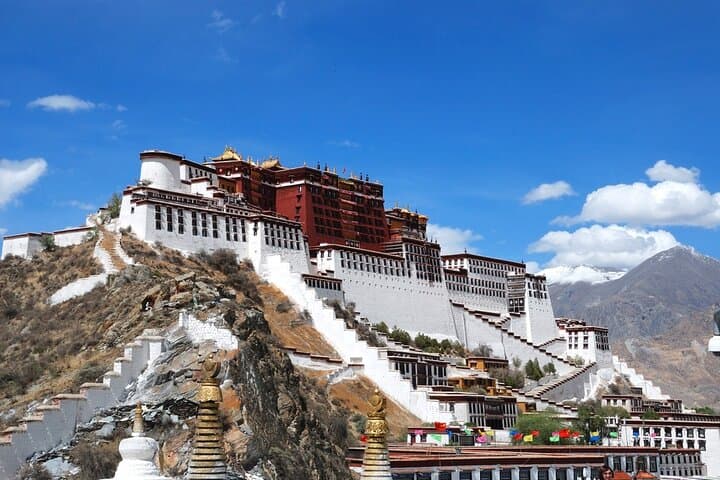
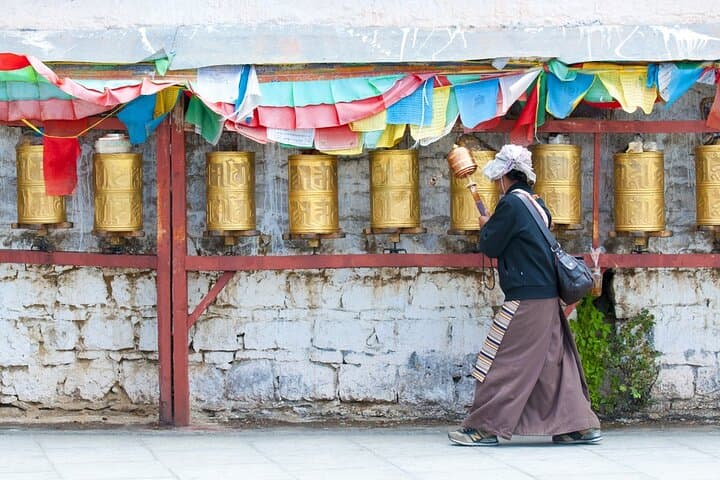
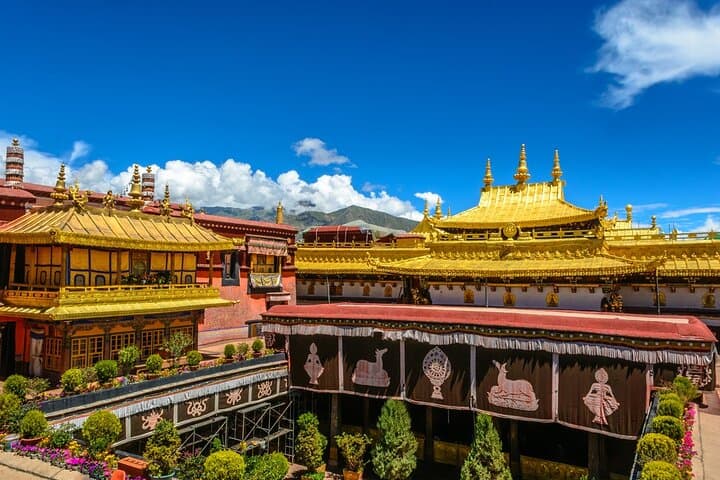
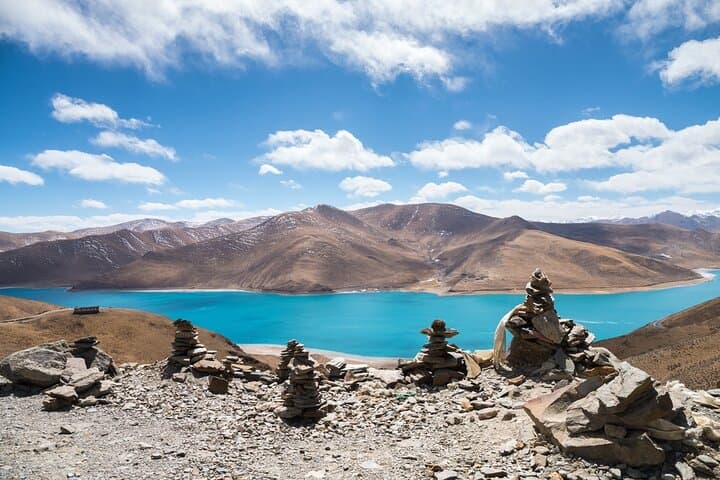
Morning light breaks across a high valley and Lhasa’s flat-roofed houses glint like baked clay; the air is thin and sharp, each breath a reminder you’ve climbed into a different world. This private seven-day itinerary moves deliberately through Lhasa’s sacred core — the Potala’s stair-stepped mass, Jokhang’s prayer-worn halls, the chanting courts of Sera and Ganden — then opens onto the raw turquoise of Yamdrok Lake and the rolling, wind-swept hills beyond.
Morning light breaks across a high valley and Lhasa’s flat-roofed houses glint like baked clay; the air is thin and sharp, each breath a reminder you’ve climbed into a different world. This private seven-day itinerary moves deliberately through Lhasa’s sacred core — the Potala’s stair-stepped mass, Jokhang’s prayer-worn halls, the chanting courts of Sera and Ganden — then opens onto the raw turquoise of Yamdrok Lake and the rolling, wind-swept hills beyond.
The region sits on the Tibetan Plateau, carved by glaciers and uplifted by tectonic forces that pushed the Himalaya skyward; historic sites here fuse Tibetan, Han and Nepali influences and bear witness to centuries of Buddhist practice and pilgrimage. Pilgrims still perform koras (circumambulations) around monasteries and lakes, and local craft traditions such as thangka painting link visitors to living cultural skills.
Practically, expect long days of guided walking and short drives between sites with time built in for acclimatization—Lhasa sits around 3,650–3,700 m, Yamdrok rises above 4,400 m. Plan for cool, sunny days and very cold nights; UV exposure is strong. Bring layers, allow two days to adapt, and budget extra time at high-altitude viewpoints rather than rushing.
This tour is ideal for travelers wanting cultural depth with manageable activity: modest walks, museum-style visits, monastery courtyards, and scenic drives. Carry water, protect skin and electronics from glare, and move at the pilgrims’ pace when joining local rituals: respectful observation is part of the journey.