THE ADVENTURE COLLECTIVE® · Independent discovery and booking for outdoor travel

Trace the northern Silk Road across Xinjiang and Gansu on a private seven-day loop from Urumqi to Dunhuang and Zhangye. This itinerary mixes glacial lakes, desert dunes, fortified passes and rainbow-colored Danxia outcrops—ideal for travelers who want history, geology and manageable adventure.
Trace the northern Silk Road across Xinjiang and Gansu on a private seven-day loop from Urumqi to Dunhuang and Zhangye. This itinerary mixes glacial lakes, desert dunes, fortified passes and rainbow-colored Danxia outcrops—ideal for travelers who want history, geology and manageable adventure.
Touch down in Urumqi and the air shifts—dry continental wind, spice-scented stalls in Erdaoqiao Bazaar, and the Tianshan peaks cutting a cool line on the horizon. This seven-day, private route threads modern highways and ancient caravan tracks: glacial Heavenly Lake, sun-baked Turpan oasis, the sand-slope hike to Crescent Lake, the painted cliffs of Zhangye and the fortress gates at Jiayuguan.
Verified experiences and guided adventures in the surrounding area.
Operated by SilkRoadTrips · Urumqi, Xinjiang
Touch down in Urumqi and the air shifts—dry continental wind, spice-scented stalls in Erdaoqiao Bazaar, and the Tianshan peaks cutting a cool line on the horizon. This seven-day, private route threads modern highways and ancient caravan tracks: glacial Heavenly Lake, sun-baked Turpan oasis, the sand-slope hike to Crescent Lake, the painted cliffs of Zhangye and the fortress gates at Jiayuguan.
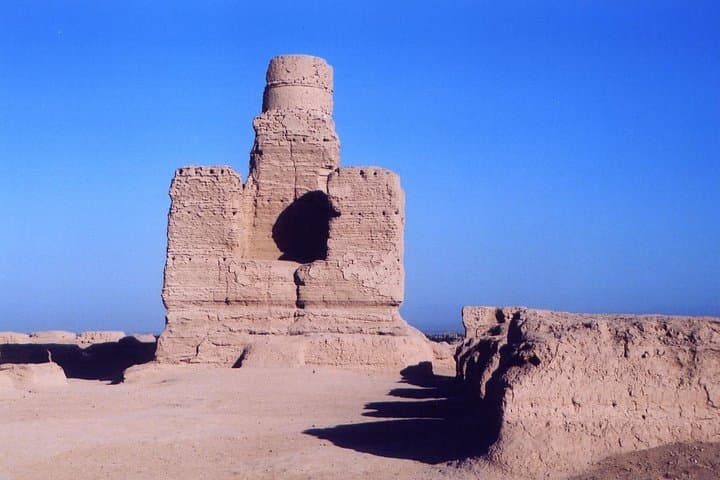
The route is a living chapter of the northern Silk Road. Traders once followed oases and qanat-like karez channels to water fields; later Buddhist artisans carved the Mogao grottoes from soft conglomerate, preserving murals and sculptures now protected by multilayered conservation efforts. Geology is on display—desert basins, alluvial fans and the iron-oxide layers of Danxia clay that flare in sunrise light. Cultural notes: Uyghur cuisine and Muslim-tea culture meet Han administrative towns; local markets offer dried fruits, cumin-spiced lamb and handwoven textiles.
Practical edge: expect multiple road transfers (2–5 hours most days), one 3‑hour high-speed rail segment, plus short to moderate walks—sand dune climbs of 30–60 minutes and ruin-site walks over uneven stone. Carry 2–3 liters of water, sun protection, and a light layer for cool mountain evenings. Confirm visa and passport validity before travel, and plan luggage for varied environments—lake-side cool to desert heat. Guides handle most logistics, but bring comfortable footwear, a compact daypack and patience for long drives—this is travel that rewards attention to landscape and history rather than speed.
easy.
6–7 days.
Suitable for travelers in regular, moderate fitness—short hikes and prolonged vehicle transfers are the primary exertion.
Most travelers to China require a valid visa; check your national requirements and confirm entry rules well before booking.
The tour is rated easy—most activity consists of short hikes, dune walks and walking at cultural sites, with long but comfortable vehicle transfers.
Private guides typically speak Mandarin and often basic English; request an English-speaking guide at booking to ensure fluent interpretation.
Yes—entrance fees to listed attractions and hotel accommodations per the itinerary are included; confirm any optional activities or meals not listed.
This corridor functioned as a trade and cultural highway connecting China to Central Asia; sites like Mogao record centuries of Buddhist and mercantile exchange.
Fragile desert soils and ancient murals require careful visitation—stay on marked paths, avoid flash photography where prohibited and support sites following local conservation rules.
SilkRoadTrips operates guided outdoor trips and adventures with an emphasis on safety, stewardship, and memorable experiences.
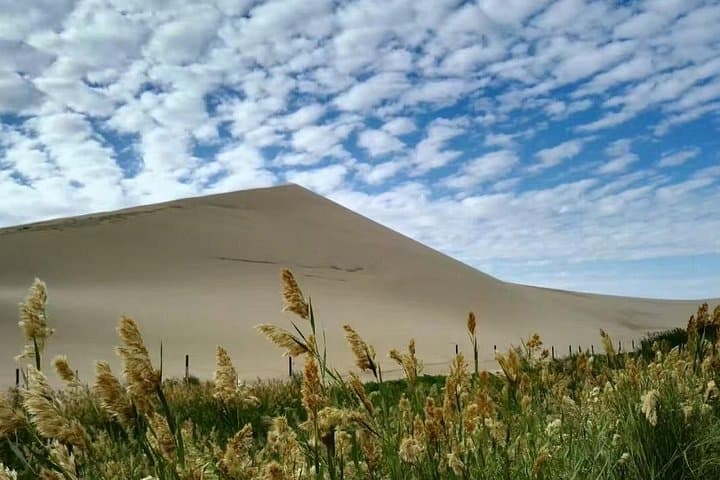
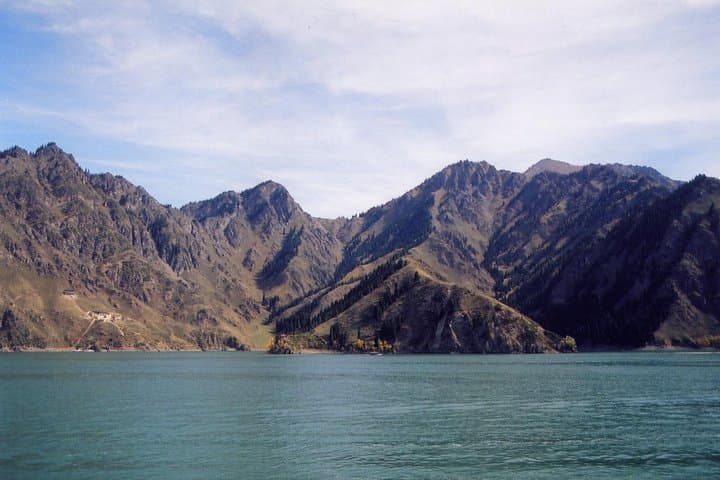
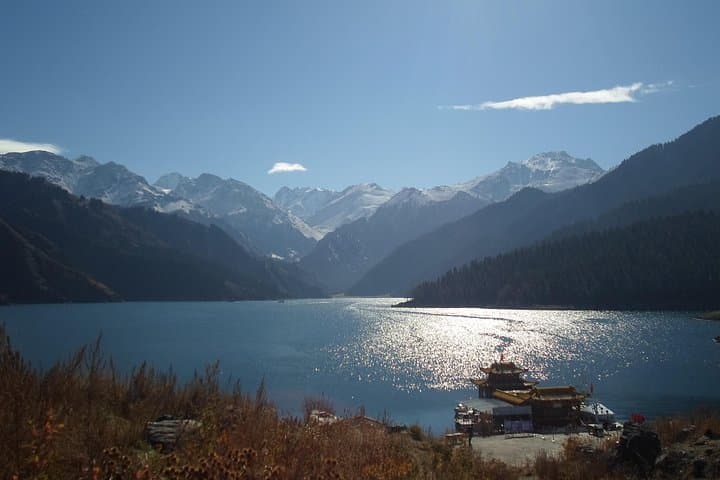
Touch down in Urumqi and the air shifts—dry continental wind, spice-scented stalls in Erdaoqiao Bazaar, and the Tianshan peaks cutting a cool line on the horizon. This seven-day, private route threads modern highways and ancient caravan tracks: glacial Heavenly Lake, sun-baked Turpan oasis, the sand-slope hike to Crescent Lake, the painted cliffs of Zhangye and the fortress gates at Jiayuguan.
Touch down in Urumqi and the air shifts—dry continental wind, spice-scented stalls in Erdaoqiao Bazaar, and the Tianshan peaks cutting a cool line on the horizon. This seven-day, private route threads modern highways and ancient caravan tracks: glacial Heavenly Lake, sun-baked Turpan oasis, the sand-slope hike to Crescent Lake, the painted cliffs of Zhangye and the fortress gates at Jiayuguan.
The route is a living chapter of the northern Silk Road. Traders once followed oases and qanat-like karez channels to water fields; later Buddhist artisans carved the Mogao grottoes from soft conglomerate, preserving murals and sculptures now protected by multilayered conservation efforts. Geology is on display—desert basins, alluvial fans and the iron-oxide layers of Danxia clay that flare in sunrise light. Cultural notes: Uyghur cuisine and Muslim-tea culture meet Han administrative towns; local markets offer dried fruits, cumin-spiced lamb and handwoven textiles.
Practical edge: expect multiple road transfers (2–5 hours most days), one 3‑hour high-speed rail segment, plus short to moderate walks—sand dune climbs of 30–60 minutes and ruin-site walks over uneven stone. Carry 2–3 liters of water, sun protection, and a light layer for cool mountain evenings. Confirm visa and passport validity before travel, and plan luggage for varied environments—lake-side cool to desert heat. Guides handle most logistics, but bring comfortable footwear, a compact daypack and patience for long drives—this is travel that rewards attention to landscape and history rather than speed.