THE ADVENTURE COLLECTIVE® · Independent discovery and booking for outdoor travel

A seven-day, private overland circuit from Arba Minch into the Omo Valley, combining Lake Chamo wildlife boat trips with immersive visits to Dorze, Konso, Karo, Hamer, Dassanach and Mursi communities. Expect long drives, unpaved roads and close cultural encounters.
A seven-day, private overland circuit from Arba Minch into the Omo Valley, combining Lake Chamo wildlife boat trips with immersive visits to Dorze, Konso, Karo, Hamer, Dassanach and Mursi communities. Expect long drives, unpaved roads and close cultural encounters.
Dawn slides across the floor of the Great Rift Valley as your convoy leaves Arba Minch, the road kicking up red dust and the heat already moving through the scrub. You’ll cross low, semi-arid plains and ribbon-like riverine forests, arriving at lakeshore mornings for boat trips where crocodiles sun and hippos punctuate the water’s surface.
Verified experiences and guided adventures in the surrounding area.
Operated by TARIKU TOLERA TASISA · Arba Minch, Southern Nations, Nationalities, and Peoples' Region
Dawn slides across the floor of the Great Rift Valley as your convoy leaves Arba Minch, the road kicking up red dust and the heat already moving through the scrub. You’ll cross low, semi-arid plains and ribbon-like riverine forests, arriving at lakeshore mornings for boat trips where crocodiles sun and hippos punctuate the water’s surface.
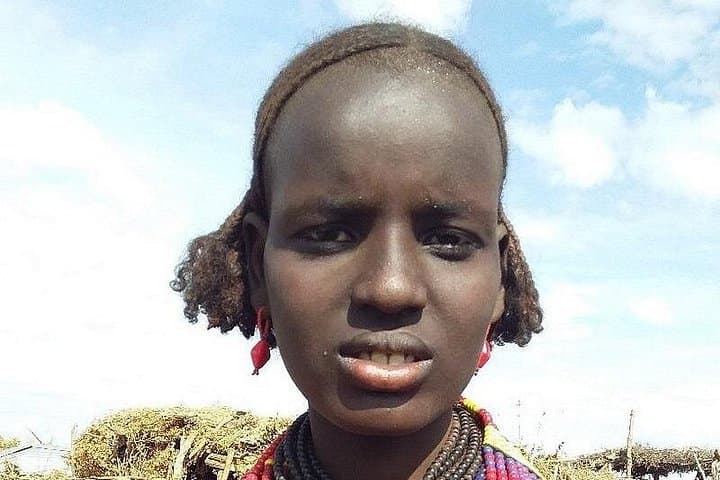
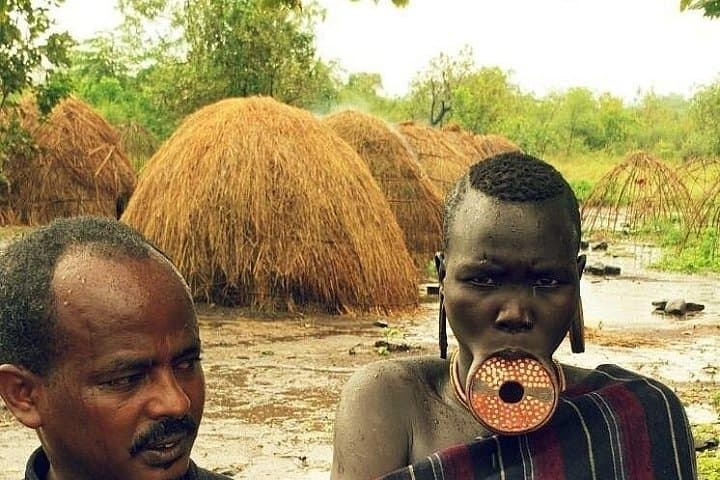
The route follows deep geological history — the Omo River carving terraces and floodplains that have supported human settlement for millennia. The Konso’s stone terraces, a UNESCO cultural landscape, appear as engineered bands on dry hills; Dorze villages show tall woven bamboo houses and textile traditions tied to Enset agriculture. Karo body painting, Hamer bull-jumping rites and Mursi lip plates are living cultural expressions shaped by environment and trade along the valley.
Practicalities matter here: expect long overland legs (many drives are 4–7 hours) on mostly unpaved roads, with daytime temperatures high and evenings cooler as elevation dips from Arba Minch (~1,200 m) into lower Omo basins. Travel is by 4x4 or minivan with hotel stays listed, but some village visits are across rough tracks and require a moderate fitness level for short walks and river landings.
Plan for sun, dust and insects — bring layered sun protection, plenty of water, and cash in small notes for local purchases. Respect local protocols when photographing people; modest dress and asking before taking photos go a long way. Visit in the drier months (roughly November–February) for best road access and wildlife viewing.
moderate.
7 days.
Moderate—able to manage several hours of vehicle travel, short village walks and brief river landings.
The drier months (roughly November–February) offer the most reliable road access and better wildlife viewing; rainy seasons can make dirt roads impassable.
Choose operators practicing community-based tourism that pay entrance or participation fees to communities, follow local protocols, and brief visitors on appropriate behavior.
Many sections are unpaved with potholes and dust; expect slow travel and occasional washboard surfaces—4x4 transport is standard.
Routine vaccinations and malaria prevention are recommended; consult a travel clinic for current advice and any necessary prophylaxis.
The Omo Valley is a cradle of human cultural diversity; its communities maintain distinct languages, dress and agricultural practices shaped over centuries by the river and Rift geology.
Development, upstream irrigation and tourism pressure threaten river ecology and traditional livelihoods; support operators who contribute fees to local communities and minimize single-use plastics.
TARIKU TOLERA TASISA operates guided outdoor trips and adventures with an emphasis on safety, stewardship, and memorable experiences.

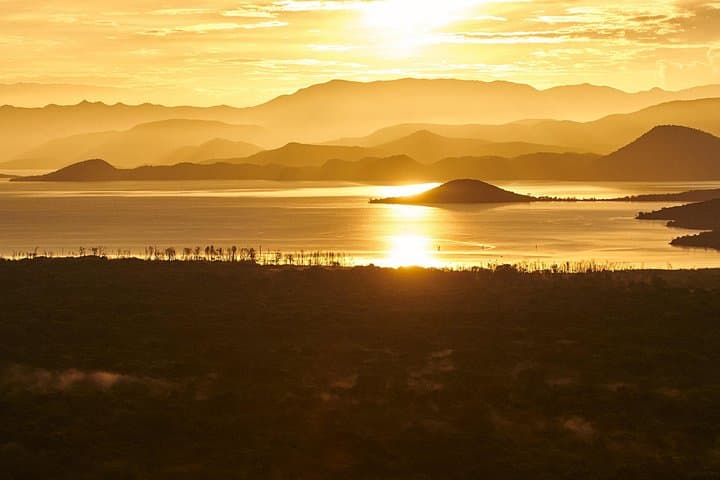
Dawn slides across the floor of the Great Rift Valley as your convoy leaves Arba Minch, the road kicking up red dust and the heat already moving through the scrub. You’ll cross low, semi-arid plains and ribbon-like riverine forests, arriving at lakeshore mornings for boat trips where crocodiles sun and hippos punctuate the water’s surface.
Dawn slides across the floor of the Great Rift Valley as your convoy leaves Arba Minch, the road kicking up red dust and the heat already moving through the scrub. You’ll cross low, semi-arid plains and ribbon-like riverine forests, arriving at lakeshore mornings for boat trips where crocodiles sun and hippos punctuate the water’s surface.
The route follows deep geological history — the Omo River carving terraces and floodplains that have supported human settlement for millennia. The Konso’s stone terraces, a UNESCO cultural landscape, appear as engineered bands on dry hills; Dorze villages show tall woven bamboo houses and textile traditions tied to Enset agriculture. Karo body painting, Hamer bull-jumping rites and Mursi lip plates are living cultural expressions shaped by environment and trade along the valley.
Practicalities matter here: expect long overland legs (many drives are 4–7 hours) on mostly unpaved roads, with daytime temperatures high and evenings cooler as elevation dips from Arba Minch (~1,200 m) into lower Omo basins. Travel is by 4x4 or minivan with hotel stays listed, but some village visits are across rough tracks and require a moderate fitness level for short walks and river landings.
Plan for sun, dust and insects — bring layered sun protection, plenty of water, and cash in small notes for local purchases. Respect local protocols when photographing people; modest dress and asking before taking photos go a long way. Visit in the drier months (roughly November–February) for best road access and wildlife viewing.