THE ADVENTURE COLLECTIVE® · Independent discovery and booking for outdoor travel

A private, seven-day circuit from Marrakech that stitches imperial cities, Roman ruins and mountain landscapes into one practical, sensory trip—ideal for travelers who want curated logistics and room to explore on foot. Discover blue-painted Chefchaouen, UNESCO-listed Volubilis and the 110-meter Ouzoud Falls.
A private, seven-day circuit from Marrakech that stitches imperial cities, Roman ruins and mountain landscapes into one practical, sensory trip—ideal for travelers who want curated logistics and room to explore on foot. Discover blue-painted Chefchaouen, UNESCO-listed Volubilis and the 110-meter Ouzoud Falls.
The minaret of the Hassan II Mosque slices into a pale Atlantic sky as the van eases out of Casablanca and the itinerary finally feels real: a week to cross Morocco's contrasts from the ochre lanes of Marrakech to the blue alleys of Chefchaouen, Roman mosaics at Volubilis and the spray of Ouzoud.
Verified experiences and guided adventures in the surrounding area.
Operated by Tour Travel & More · Marrakech, Marrakech-Safi
The minaret of the Hassan II Mosque slices into a pale Atlantic sky as the van eases out of Casablanca and the itinerary finally feels real: a week to cross Morocco's contrasts from the ochre lanes of Marrakech to the blue alleys of Chefchaouen, Roman mosaics at Volubilis and the spray of Ouzoud.
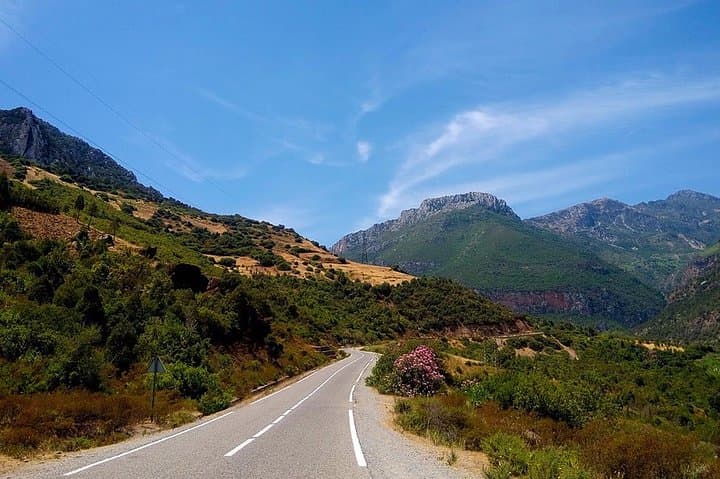
Daylight on this route moves quickly. Narrow medina streets open to avenues lined with orange trees; the Rif and Middle Atlas mountains step in and out of view, asking for a slower pace. Drives between cities are part of the experience—two- to five-hour stretches broken by roadside coffee stops, panoramas and short walks in cedar groves where Barbary macaques hop through the canopy.
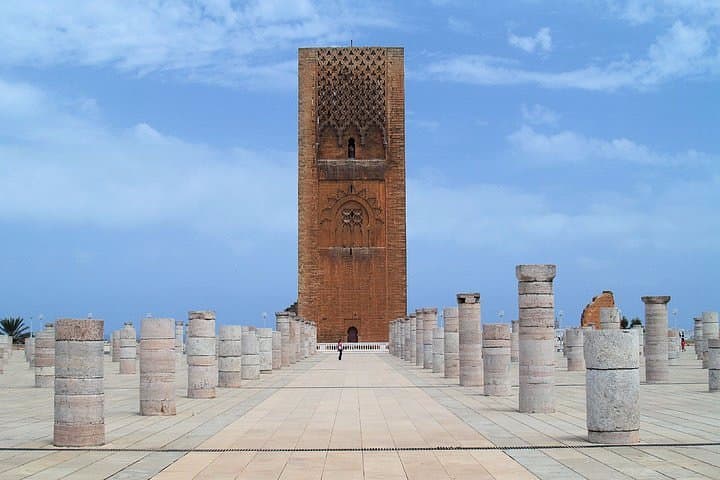
History here is layered and literal. Volubilis preserves Roman mosaics and columns that speak to provincial life under Rome; Fes still bears the imprint of Marinid scholarship and the world’s oldest continuously operating university. The Hassan II Mosque announces modern Morocco with a 210-meter minaret and Atlantic-facing prayer hall. Geology shapes the journey: the Rif’s folded limestone lends Chefchaouen its craggy backdrop, while the Middle Atlas, rising to roughly 2,000 meters, produces cedar forests and cooler microclimates.
Culture arrives in small, specific ways—morning markets piled with preserved lemons and cumin, rooftop terraces where mint tea is served with equal parts sugar and ceremony, and cooks who still use tagine heat like a metronome. Local guides in Marrakech and Fes decode caravan-era alleys; in market towns drivers double as storytellers and logistics coordinators.
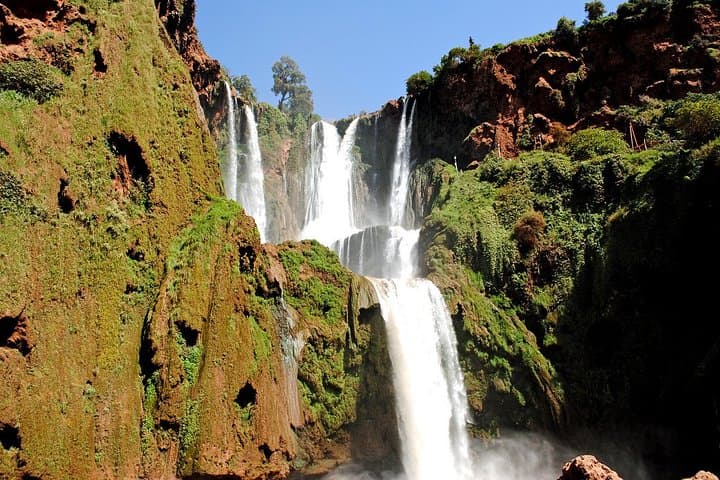
Practical planning matters. Expect long driving segments and pack for varied conditions: sun and dust in lowland cities, cool winds and possible snow in mountain passes in winter. Ouzoud Falls drops roughly 110 meters into a green gorge—allow two hours to stroll the viewpoints and another for a boat or riverside café. Volubilis requires comfortable shoes for uneven Roman paving. Cash is commonly used in smaller towns; ATMs exist but can be unreliable outside big cities.
Timing makes a difference: spring and fall offer warm days and manageable driving; winter brings snow in the Middle Atlas and cooler nights in Fes, while summer can be hot in Marrakech and along the plains. For an enriching week, travel light with a small daypack, be ready for modest dress at religious sites, and keep hydrated—the landscape is generous, but its rhythm asks you to match it.
This private route balances sightseeing with downtime: guided tours in Marrakech and Fes, free afternoons in Chefchaouen, and a final morning at Ouzoud that rewards slow attention—water daring you to pause, not rush, before the return drive to the Red City.
moderate.
7 days.
Suitable for travelers in average fitness who can handle multiple short walks, stairs and occasional uneven terrain; long drives require stamina.
Yes; a private driver meets you at arrivals holding a sign with your name and provides transfer to your hotel.
Tickets to Bahia Palace, Majorelle Gardens, Volubilis and Hassan II Mosque are included as listed in the itinerary.
Driving ranges from short city transfers to longer inter-city stretches—plan for 2–5 hours on some travel days with stops en route.
Yes; the tour allows you to note special dietary requirements at booking and guides can recommend suitable local restaurants.
Visa requirements depend on nationality—check Moroccan consulate guidance before travel and ensure passport validity of at least six months.
The itinerary is listed as physically easy and private vehicles reduce strain, but consider long drives and uneven walking surfaces when planning for young children or limited mobility.
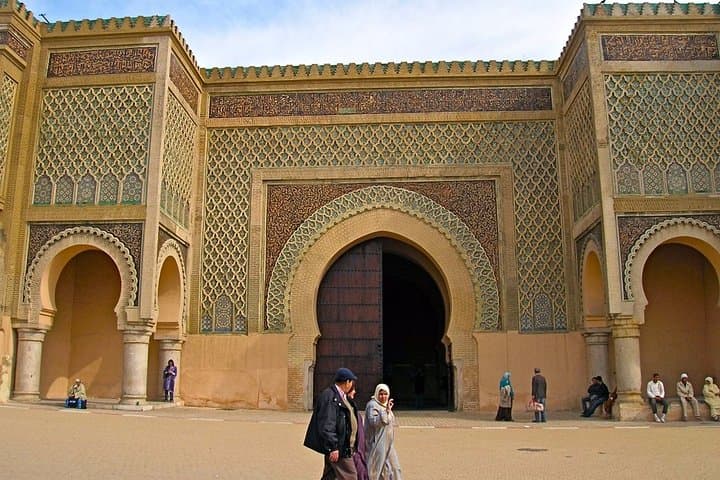
This route links Morocco’s imperial cities—Marrakech, Fes, Meknes and Rabat—which were political and cultural capitals over different dynasties, and includes Volubilis, a Roman provincial center with well-preserved mosaics.
Respect fragile archaeological sites by staying on paths at Volubilis and use local guides who support community conservation; avoid feeding wildlife, especially macaques.
Tour Travel & More operates guided outdoor trips and adventures with an emphasis on safety, stewardship, and memorable experiences.
The minaret of the Hassan II Mosque slices into a pale Atlantic sky as the van eases out of Casablanca and the itinerary finally feels real: a week to cross Morocco's contrasts from the ochre lanes of Marrakech to the blue alleys of Chefchaouen, Roman mosaics at Volubilis and the spray of Ouzoud.
The minaret of the Hassan II Mosque slices into a pale Atlantic sky as the van eases out of Casablanca and the itinerary finally feels real: a week to cross Morocco's contrasts from the ochre lanes of Marrakech to the blue alleys of Chefchaouen, Roman mosaics at Volubilis and the spray of Ouzoud.
Daylight on this route moves quickly. Narrow medina streets open to avenues lined with orange trees; the Rif and Middle Atlas mountains step in and out of view, asking for a slower pace. Drives between cities are part of the experience—two- to five-hour stretches broken by roadside coffee stops, panoramas and short walks in cedar groves where Barbary macaques hop through the canopy.
History here is layered and literal. Volubilis preserves Roman mosaics and columns that speak to provincial life under Rome; Fes still bears the imprint of Marinid scholarship and the world’s oldest continuously operating university. The Hassan II Mosque announces modern Morocco with a 210-meter minaret and Atlantic-facing prayer hall. Geology shapes the journey: the Rif’s folded limestone lends Chefchaouen its craggy backdrop, while the Middle Atlas, rising to roughly 2,000 meters, produces cedar forests and cooler microclimates.
Culture arrives in small, specific ways—morning markets piled with preserved lemons and cumin, rooftop terraces where mint tea is served with equal parts sugar and ceremony, and cooks who still use tagine heat like a metronome. Local guides in Marrakech and Fes decode caravan-era alleys; in market towns drivers double as storytellers and logistics coordinators.
Practical planning matters. Expect long driving segments and pack for varied conditions: sun and dust in lowland cities, cool winds and possible snow in mountain passes in winter. Ouzoud Falls drops roughly 110 meters into a green gorge—allow two hours to stroll the viewpoints and another for a boat or riverside café. Volubilis requires comfortable shoes for uneven Roman paving. Cash is commonly used in smaller towns; ATMs exist but can be unreliable outside big cities.
Timing makes a difference: spring and fall offer warm days and manageable driving; winter brings snow in the Middle Atlas and cooler nights in Fes, while summer can be hot in Marrakech and along the plains. For an enriching week, travel light with a small daypack, be ready for modest dress at religious sites, and keep hydrated—the landscape is generous, but its rhythm asks you to match it.
This private route balances sightseeing with downtime: guided tours in Marrakech and Fes, free afternoons in Chefchaouen, and a final morning at Ouzoud that rewards slow attention—water daring you to pause, not rush, before the return drive to the Red City.