THE ADVENTURE COLLECTIVE® · Independent discovery and booking for outdoor travel

Travel from Casablanca through Chefchaouen, Fes, the Merzouga dunes and Marrakech in seven private days. Expect historic medinas, Atlas passes and an overnight in a luxury desert camp under vast stars.
Travel from Casablanca through Chefchaouen, Fes, the Merzouga dunes and Marrakech in seven private days. Expect historic medinas, Atlas passes and an overnight in a luxury desert camp under vast stars.
A wind from the Atlantic follows you out of Casablanca as the city’s giant Hassan II tower shrinks in the rearview mirror. By midmorning the road has traded surf for foothills; bluewashed alleys of Chefchaouen appear like a painted village clinging to the Rif. Over the next week you move through Morocco’s layers—the medieval lanes of Fes, cedar-clad slopes where Barbary macaques watch from the trees, then the low, dry geometry of the Ziz Valley until Erg Chebbi’s dunes rise like molten gold.
Verified experiences and guided adventures in the surrounding area.
Operated by Vacations In Morocco · Casablanca, Casablanca-Settat
A wind from the Atlantic follows you out of Casablanca as the city’s giant Hassan II tower shrinks in the rearview mirror. By midmorning the road has traded surf for foothills; bluewashed alleys of Chefchaouen appear like a painted village clinging to the Rif. Over the next week you move through Morocco’s layers—the medieval lanes of Fes, cedar-clad slopes where Barbary macaques watch from the trees, then the low, dry geometry of the Ziz Valley until Erg Chebbi’s dunes rise like molten gold.
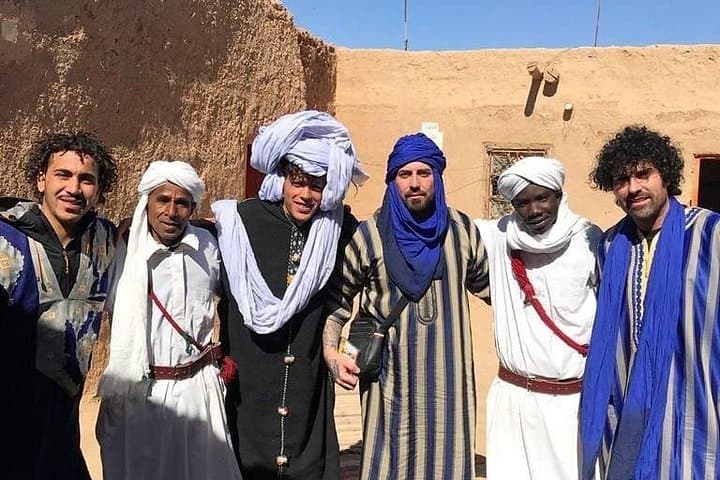
This route is a primer on Moroccan history and landscape: Roman ruins at Volubilis, the fortified ksar of Ait Ben Haddou, and the mountain-engineered passes of the High Atlas. Geologically, the High Atlas are young, uplifted ranges, while Erg Chebbi is aeolian—dunes formed and reformed by wind over millennia. Culturally, expect strong Berber traditions, from town kasbahs to the rhythmic Gnawa performances near Merzouga.
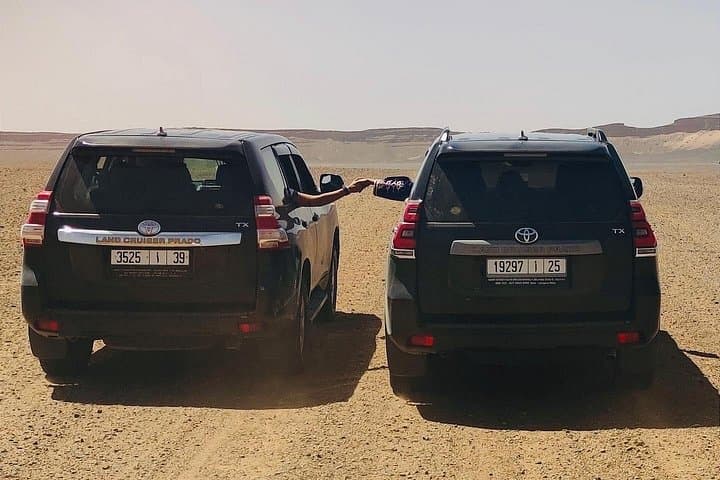
Practically: travel is by private vehicle with short guided walks and a camel transfer into a luxury desert camp for an overnight under an expansive, unpolluted sky. Sunrise and sunset in the dunes are best for photos and cooler temperatures. Wear layered clothing for hot days and cold desert nights, bring a wide-brim hat and reusable water bottle, and budget for local tips and small museum fees. Mobility needs are low; long drives are part of the experience. With a private guide and reserved riads, this loop delivers a concentrated snapshot of Morocco’s monuments, people, and desert intimacy—direct, scenic, and thoroughly doable.
moderate.
7 days.
Suitable for travelers in reasonable health; requires tolerance for long drives, short hikes, and a camel ride.
Yes; this itinerary includes a luxury desert camp with beds, blankets and shared wash facilities, plus dinner and tea.
No; camel treks are short and guided—handlers load and unload camels and give a basic safety briefing.
Some guided visits are included, but individual entrance fees to certain sites or optional activities may be extra—confirm when booking.
The tour is private and flexible; operators can adapt pacing, reduce walking or provide alternative sightseeing by vehicle—request specifics ahead of time.
The itinerary threads Morocco’s imperial cities—Rabat, Fes, Marrakech—and stops at Ait Ben Haddou and Volubilis, both UNESCO sites reflecting Roman and medieval histories.
Travelers should stick to marked areas in dunes and gorges, avoid feeding wildlife, and support local guides and camps that follow water-conservation and waste-management practices.
Vacations In Morocco operates guided outdoor trips and adventures with an emphasis on safety, stewardship, and memorable experiences.
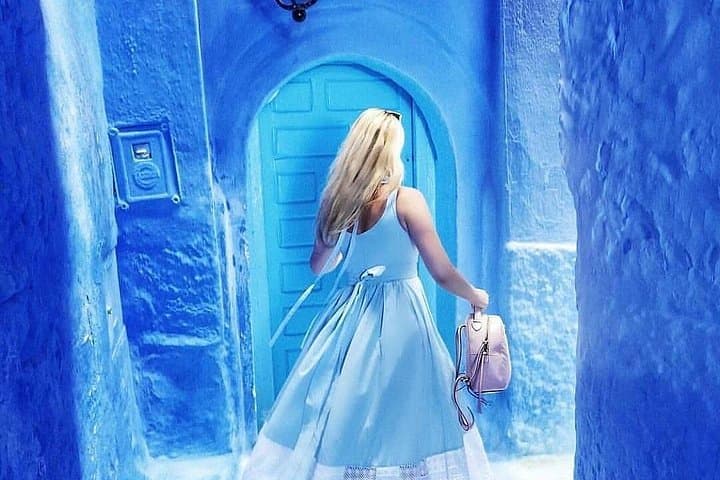
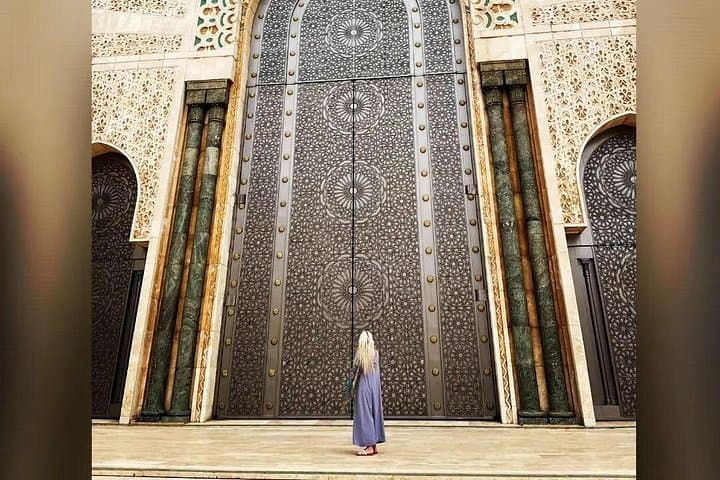
A wind from the Atlantic follows you out of Casablanca as the city’s giant Hassan II tower shrinks in the rearview mirror. By midmorning the road has traded surf for foothills; bluewashed alleys of Chefchaouen appear like a painted village clinging to the Rif. Over the next week you move through Morocco’s layers—the medieval lanes of Fes, cedar-clad slopes where Barbary macaques watch from the trees, then the low, dry geometry of the Ziz Valley until Erg Chebbi’s dunes rise like molten gold.
A wind from the Atlantic follows you out of Casablanca as the city’s giant Hassan II tower shrinks in the rearview mirror. By midmorning the road has traded surf for foothills; bluewashed alleys of Chefchaouen appear like a painted village clinging to the Rif. Over the next week you move through Morocco’s layers—the medieval lanes of Fes, cedar-clad slopes where Barbary macaques watch from the trees, then the low, dry geometry of the Ziz Valley until Erg Chebbi’s dunes rise like molten gold.
This route is a primer on Moroccan history and landscape: Roman ruins at Volubilis, the fortified ksar of Ait Ben Haddou, and the mountain-engineered passes of the High Atlas. Geologically, the High Atlas are young, uplifted ranges, while Erg Chebbi is aeolian—dunes formed and reformed by wind over millennia. Culturally, expect strong Berber traditions, from town kasbahs to the rhythmic Gnawa performances near Merzouga.
Practically: travel is by private vehicle with short guided walks and a camel transfer into a luxury desert camp for an overnight under an expansive, unpolluted sky. Sunrise and sunset in the dunes are best for photos and cooler temperatures. Wear layered clothing for hot days and cold desert nights, bring a wide-brim hat and reusable water bottle, and budget for local tips and small museum fees. Mobility needs are low; long drives are part of the experience. With a private guide and reserved riads, this loop delivers a concentrated snapshot of Morocco’s monuments, people, and desert intimacy—direct, scenic, and thoroughly doable.