THE ADVENTURE COLLECTIVE® · Independent discovery and booking for outdoor travel

The Marangu Route is the classic hut-to-hut ascent of Kilimanjaro, blending rainforest, heath and lunar desert into a single high-altitude push to Uhuru Peak. This private 7-day itinerary emphasizes steady pacing, hut comfort and a summit sunrise you won’t forget.
The Marangu Route is the classic hut-to-hut ascent of Kilimanjaro, blending rainforest, heath and lunar desert into a single high-altitude push to Uhuru Peak. This private 7-day itinerary emphasizes steady pacing, hut comfort and a summit sunrise you won’t forget.
A pale dawn over Moshi opens the trip — headlamps still bobbing as the Marangu route threads up from rain forest into the high, wind-swept desert near Kibo. You move from damp moss and towering groundsel to moonlike scree; the mountain pushes and tests you, the sunrise at the crater rim answering every hard step with light.
Verified experiences and guided adventures in the surrounding area.
Operated by Keys Tours · Moshi, Kilimanjaro Region
A pale dawn over Moshi opens the trip — headlamps still bobbing as the Marangu route threads up from rain forest into the high, wind-swept desert near Kibo. You move from damp moss and towering groundsel to moonlike scree; the mountain pushes and tests you, the sunrise at the crater rim answering every hard step with light.
Kilimanjaro is Africa’s highest free-standing volcano, made of three volcanic cones: Kibo, Mawenzi and Shira. Declared a national park in 1973 and a UNESCO World Heritage Site in 1987, the massif holds ancient lava flows, alpine deserts and pockets of rainforest shaped by elevation and climate. The Marangu route is the classic “coca‑cola” path—longer acclimatization on shared hut accommodation, with cultural threads from the Chagga people around Moshi and a long history of exploration beginning in the 19th century.
Expect dormitory huts, long days of steady ascent, and an altitude profile that demands patience more than technical skill: the summit push begins at midnight and climbs loose volcanic scree to Gilman’s Point and onward to Uhuru Peak (5,895 m). Wildlife is subtle—birds and colobus monkeys lower down, giant lobelia and small hawks higher up—while weather shifts quickly; solar radiation by day and bitter wind by night give the mountain two moods.
Practical guidance: train with steep hikes and long back‑to‑back days, plan for layered clothing and a warm summit kit, drink often to manage altitude, and budget time for rest days. Permit fees, guides and porters are required; choose a company that prioritizes acclimatization, safety and respectful treatment of staff.
challenging.
6–7 days.
Good cardiovascular fitness and experience with full days of uphill hiking; train with multi-hour climbs and loaded hikes.
It’s non-technical—no ropes or crampons required—but the altitude and long summit push make fitness and acclimatization the primary challenges.
Huts offer basic dormitory accommodation; expect no showers above Mandara and limited charging facilities at some huts (bring a power bank).
Northern hemisphere dry seasons—January–March and June–October—offer the most stable conditions and clearer summit views.
Yes; Kilimanjaro National Park requires permits and climbs must use registered guides and porters supplied or arranged by the operator.
Local Chagga communities have long interacted with the mountain; European登mountaineering in the late 19th century formalized popular ascent routes like Marangu.
Kilimanjaro faces glacial retreat and changing rainfall patterns; use licensed operators, stick to paths and minimize waste to reduce impact.
Keys Tours operates guided outdoor trips and adventures with an emphasis on safety, stewardship, and memorable experiences.
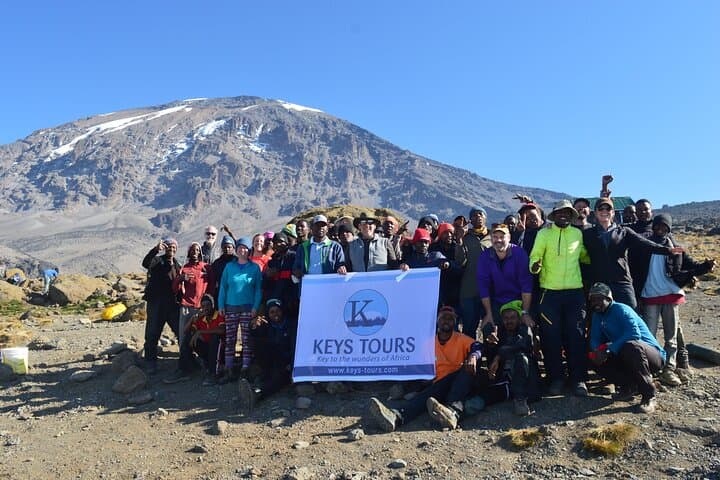
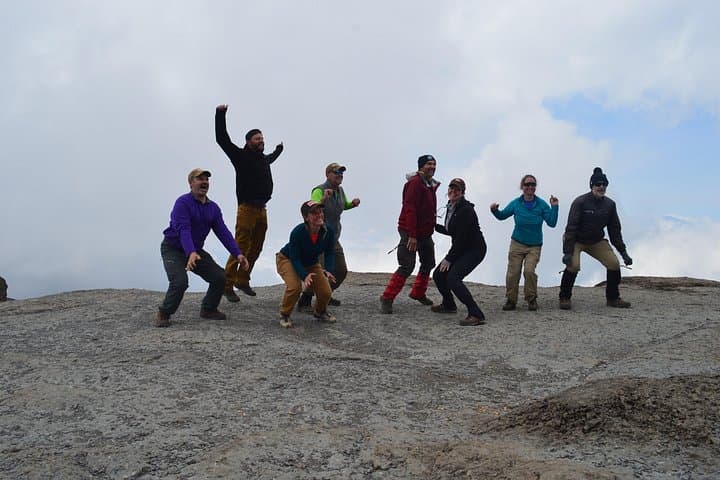
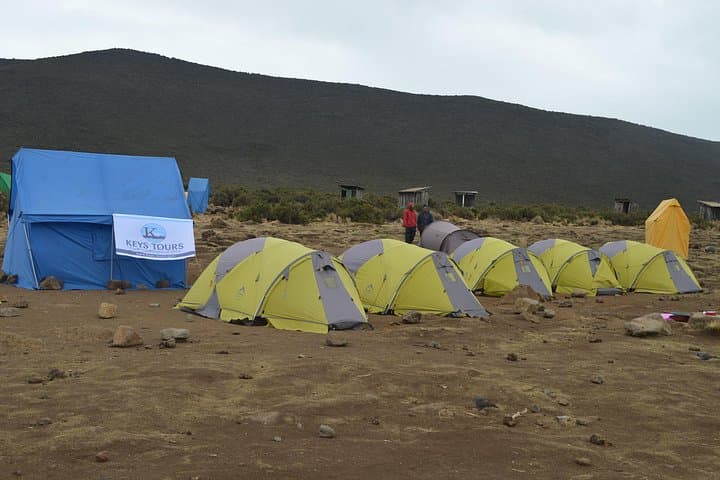
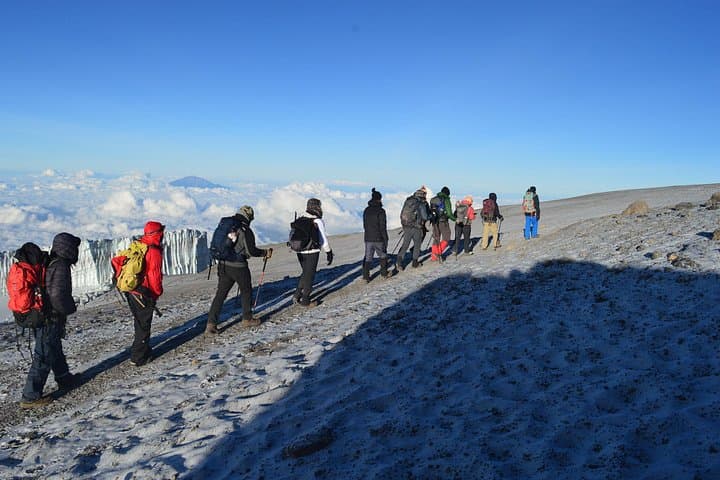
A pale dawn over Moshi opens the trip — headlamps still bobbing as the Marangu route threads up from rain forest into the high, wind-swept desert near Kibo. You move from damp moss and towering groundsel to moonlike scree; the mountain pushes and tests you, the sunrise at the crater rim answering every hard step with light.
A pale dawn over Moshi opens the trip — headlamps still bobbing as the Marangu route threads up from rain forest into the high, wind-swept desert near Kibo. You move from damp moss and towering groundsel to moonlike scree; the mountain pushes and tests you, the sunrise at the crater rim answering every hard step with light.
Kilimanjaro is Africa’s highest free-standing volcano, made of three volcanic cones: Kibo, Mawenzi and Shira. Declared a national park in 1973 and a UNESCO World Heritage Site in 1987, the massif holds ancient lava flows, alpine deserts and pockets of rainforest shaped by elevation and climate. The Marangu route is the classic “coca‑cola” path—longer acclimatization on shared hut accommodation, with cultural threads from the Chagga people around Moshi and a long history of exploration beginning in the 19th century.
Expect dormitory huts, long days of steady ascent, and an altitude profile that demands patience more than technical skill: the summit push begins at midnight and climbs loose volcanic scree to Gilman’s Point and onward to Uhuru Peak (5,895 m). Wildlife is subtle—birds and colobus monkeys lower down, giant lobelia and small hawks higher up—while weather shifts quickly; solar radiation by day and bitter wind by night give the mountain two moods.
Practical guidance: train with steep hikes and long back‑to‑back days, plan for layered clothing and a warm summit kit, drink often to manage altitude, and budget time for rest days. Permit fees, guides and porters are required; choose a company that prioritizes acclimatization, safety and respectful treatment of staff.