THE ADVENTURE COLLECTIVE® · Independent discovery and booking for outdoor travel

A private, 7-day trek into Nepal’s Langtang Valley that combines Tamang villages, high alpine pastures and a sunrise ascent of Tserko Ri. Expect tea-house nights, glacier views and steady altitude gain—ideal for trekkers ready to manage a demanding mountain itinerary.
A private, 7-day trek into Nepal’s Langtang Valley that combines Tamang villages, high alpine pastures and a sunrise ascent of Tserko Ri. Expect tea-house nights, glacier views and steady altitude gain—ideal for trekkers ready to manage a demanding mountain itinerary.
You step off the bumpy mountain road at Syabrubesi with river-spray in the air and the first ridges of the Langtang range pushing skyward ahead. The trail threads along the Langtang Khola—forest rubbing shoulders with stone bridges—then opens to terraced fields, prayer wheels, and the compact, wind-scoured roofs of Tamang villages. By mid-trek the valley tightens; glaciers and icefalls frame Kyanjin Gompa and the scramble up Tserko Ri rewards you with a sunrise panorama that pinches the horizon.
Verified experiences and guided adventures in the surrounding area.
Operated by Himalayas On Foot - Day Tours · Kathmandu, Bagmati Province
You step off the bumpy mountain road at Syabrubesi with river-spray in the air and the first ridges of the Langtang range pushing skyward ahead. The trail threads along the Langtang Khola—forest rubbing shoulders with stone bridges—then opens to terraced fields, prayer wheels, and the compact, wind-scoured roofs of Tamang villages. By mid-trek the valley tightens; glaciers and icefalls frame Kyanjin Gompa and the scramble up Tserko Ri rewards you with a sunrise panorama that pinches the horizon.
Langtang sits on young Himalayan geology: uplifted crystalline rock carved by glaciers and seasonal streams. The valley’s culture is predominantly Tamang and Tibetan-Buddhist, visible in mani walls, chortens, and village gompas; many communities still remember the 2015 earthquake that reshaped settlements and deepened conservation efforts. Langtang is inside Langtang National Park, a protected area where yak pastures and mixed fir-rhododendron forests support high-altitude fauna.
Practical guidance: this private, 7-day itinerary covers daily trekking of 3–7 hours with a summit-style day to Tserko Ri near 4,900–5,000 m; expect cumulative altitude gain and one significant day above 4,000 m. Terrain varies from packed dirt and stone steps to short scree sections; tea-house lodgings handle basic needs but sleep and hot-water schedules are simple. Carry layered clothing, a good pair of boots, trekking poles, and a water-treatment option. Allow time to acclimatize, hydrate frequently, and plan for slower pacing on high days. Permits required include TIMS and Langtang National Park entry; emergency helicopter evacuation is possible but requires insurance. Start early on summit days to avoid afternoon wind and whiteout risk. With pragmatic preparation, the Langtang Valley delivers close-up Himalayan landscapes, living mountain culture, and high-country solitude.
challenging.
7 days.
Good aerobic fitness with prior multi-day hiking experience; ability to handle steep ascents, long descents, and high-altitude single-day gains.
Yes—TIMS and Langtang National Park entry permits are required and typically arranged before or at trailhead; keep proof with you.
Tserko Ri is a strenuous sunrise ascent reaching roughly 4,900–5,000 m; expect steep scree and strong sun exposure—start very early and assess symptoms of altitude sickness.
Tea-house lodges provide basic private or twin rooms, simple meals (dal bhat, noodles), and limited hot-water schedules—bring sleep layers for colder nights.
Operators typically arrange helicopter evacuation if needed, but evacuation costs are covered through travel insurance—carry a policy that includes high-altitude rescue.
The Langtang Valley is a cultural crossroads of Tamang and Tibetan-Buddhist traditions and was heavily affected by the 2015 earthquake, which prompted rebuilding and community-focused conservation work.
Langtang lies within a national park—minimize waste, use existing trails, avoid feeding wildlife, and support local tea-houses to sustain village economies.
Himalayas On Foot - Day Tours operates guided outdoor trips and adventures with an emphasis on safety, stewardship, and memorable experiences.
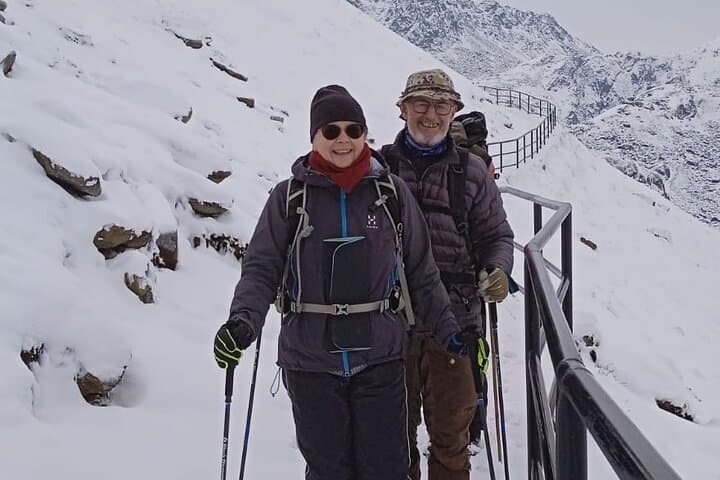
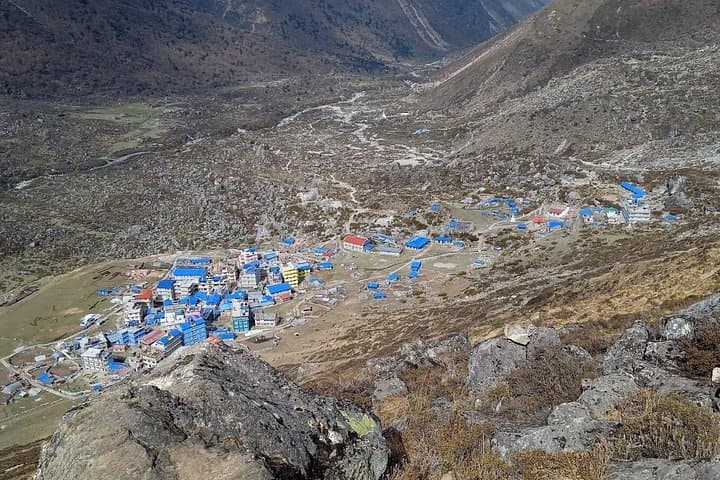
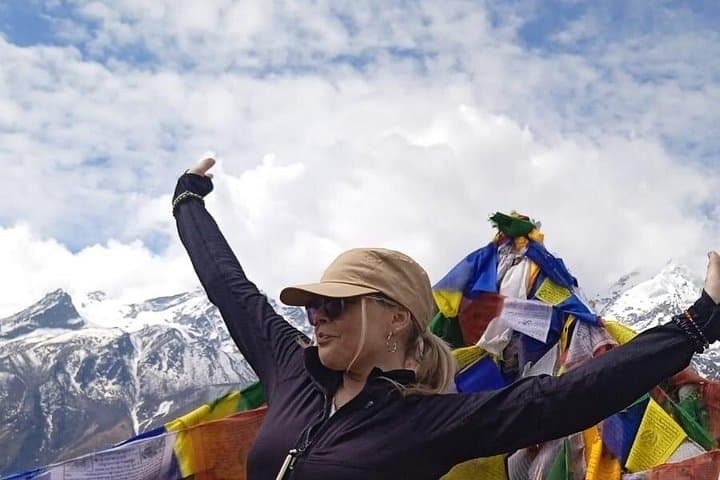
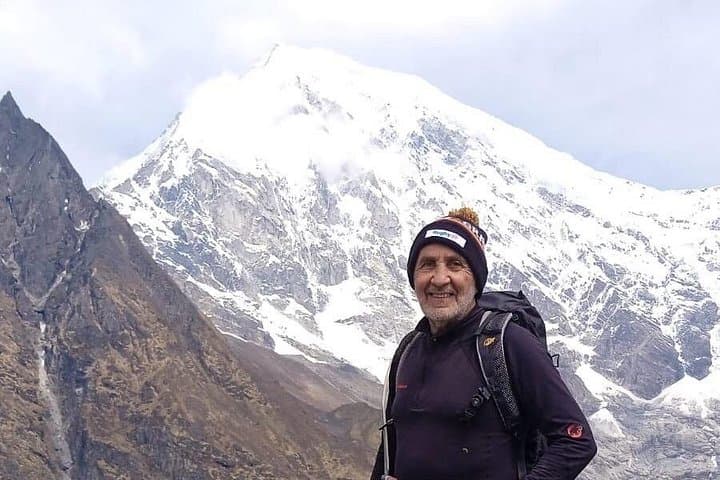
You step off the bumpy mountain road at Syabrubesi with river-spray in the air and the first ridges of the Langtang range pushing skyward ahead. The trail threads along the Langtang Khola—forest rubbing shoulders with stone bridges—then opens to terraced fields, prayer wheels, and the compact, wind-scoured roofs of Tamang villages. By mid-trek the valley tightens; glaciers and icefalls frame Kyanjin Gompa and the scramble up Tserko Ri rewards you with a sunrise panorama that pinches the horizon.
You step off the bumpy mountain road at Syabrubesi with river-spray in the air and the first ridges of the Langtang range pushing skyward ahead. The trail threads along the Langtang Khola—forest rubbing shoulders with stone bridges—then opens to terraced fields, prayer wheels, and the compact, wind-scoured roofs of Tamang villages. By mid-trek the valley tightens; glaciers and icefalls frame Kyanjin Gompa and the scramble up Tserko Ri rewards you with a sunrise panorama that pinches the horizon.
Langtang sits on young Himalayan geology: uplifted crystalline rock carved by glaciers and seasonal streams. The valley’s culture is predominantly Tamang and Tibetan-Buddhist, visible in mani walls, chortens, and village gompas; many communities still remember the 2015 earthquake that reshaped settlements and deepened conservation efforts. Langtang is inside Langtang National Park, a protected area where yak pastures and mixed fir-rhododendron forests support high-altitude fauna.
Practical guidance: this private, 7-day itinerary covers daily trekking of 3–7 hours with a summit-style day to Tserko Ri near 4,900–5,000 m; expect cumulative altitude gain and one significant day above 4,000 m. Terrain varies from packed dirt and stone steps to short scree sections; tea-house lodgings handle basic needs but sleep and hot-water schedules are simple. Carry layered clothing, a good pair of boots, trekking poles, and a water-treatment option. Allow time to acclimatize, hydrate frequently, and plan for slower pacing on high days. Permits required include TIMS and Langtang National Park entry; emergency helicopter evacuation is possible but requires insurance. Start early on summit days to avoid afternoon wind and whiteout risk. With pragmatic preparation, the Langtang Valley delivers close-up Himalayan landscapes, living mountain culture, and high-country solitude.