THE ADVENTURE COLLECTIVE® · Independent discovery and booking for outdoor travel

A seven-day private Machame-route trek to Uhuru Peak that balances acclimatization and pace, offering rainforest trails, Shira Plateau views and a pre-dawn summit push. Ideal for fit hikers who want guided, fully-camped support and a high chance of reaching Africa’s roof.
A seven-day private Machame-route trek to Uhuru Peak that balances acclimatization and pace, offering rainforest trails, Shira Plateau views and a pre-dawn summit push. Ideal for fit hikers who want guided, fully-camped support and a high chance of reaching Africa’s roof.
The headlamp cone slices through pre-dawn cold as a small team picks its way from Barafu toward Stella Point. Air thins with every step; the world below is cloud and forest. On this seven-day Machame-route climb, the mountain’s textures change fast—from dense rainforest and playful colobus monkeys at the trailhead to moorland, jagged lava fields and the brittle, blue ice near Uhuru Peak.
Verified experiences and guided adventures in the surrounding area.
Operated by Tanzania Escapade · Moshi, Kilimanjaro Region
The headlamp cone slices through pre-dawn cold as a small team picks its way from Barafu toward Stella Point. Air thins with every step; the world below is cloud and forest. On this seven-day Machame-route climb, the mountain’s textures change fast—from dense rainforest and playful colobus monkeys at the trailhead to moorland, jagged lava fields and the brittle, blue ice near Uhuru Peak.
Kilimanjaro is a stratovolcano with three volcanic cones—Shira, Mawenzi and Kibo—whose glacial crowns have been receding for a century. The trail threads Chagga farmland on the lower slopes and crosses ecotones that locals have traversed for generations; porters and guides bring not only gear but stories about village life and mountain lore.
Expect daily moves of 6–12 km and steady elevation gains: Machame Gate (1,800m) to Machame Camp (3,000m), and the summit push from Barafu (4,600m) to Uhuru Peak (5,895m). Key features include Shira Plateau, Lava Tower for acclimatization and the technical-feeling scramble up Barranco Wall.
Practically, the route is non-technical but physically demanding and altitude-driven. Hydration, slow pacing and the ‘climb high, sleep low’ approach matter more than speed. Camps are tented with mess tents and hot meals; bring layered insulation for summit night, sturdy boots, poles and a reliable headlamp. Summiting is a long night and a long descent—plan recovery time in Moshi afterward. Respect park rules, pack out waste, and budget for gratuities to the crew—this climb is as much about people as it is about the peak.
difficult.
7 days.
Good aerobic base and regular hill/hiking experience; comfortable with consecutive long days and overnight altitude exposure
No technical climbing skills are required on the Machame route, but you should be comfortable with long days, basic scrambling and high-altitude trekking.
January–March and July–October are typically drier windows with clearer summit conditions; avoid peak rainy months (March–May and November–December) if possible.
Permits and park fees are required for Kilimanjaro climbs; confirm with your operator whether these are included in the package price.
Ascend slowly, hydrate, eat and sleep well, and use acclimatization days like the Lava Tower; carry medication only if advised by a physician and consult guides if symptoms arise.
The Kilimanjaro massif sits on a volcanic rift and has long been part of Chagga cultural landscapes; Kikaya and Chagga people historically used lower slopes for agriculture and trade.
Kilimanjaro National Park fees support local conservation and community programs; stay on trails, avoid single-use plastics and pack out what you bring in.
Tanzania Escapade operates guided outdoor trips and adventures with an emphasis on safety, stewardship, and memorable experiences.
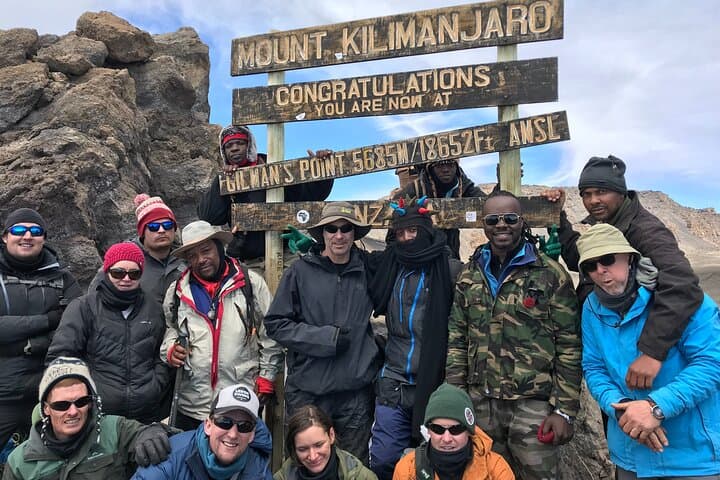
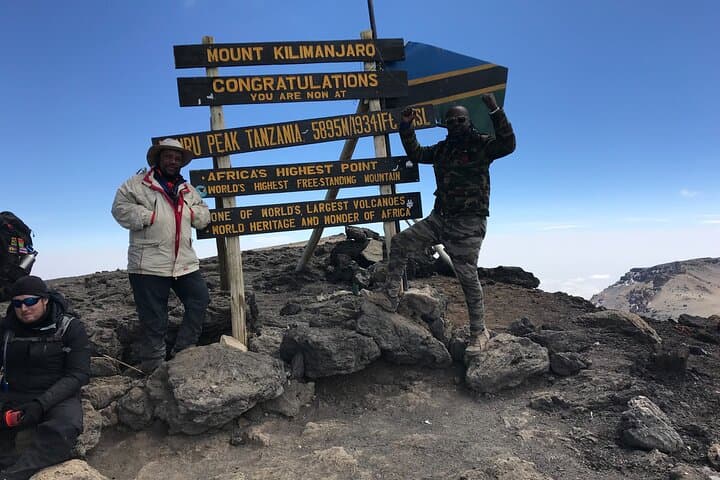
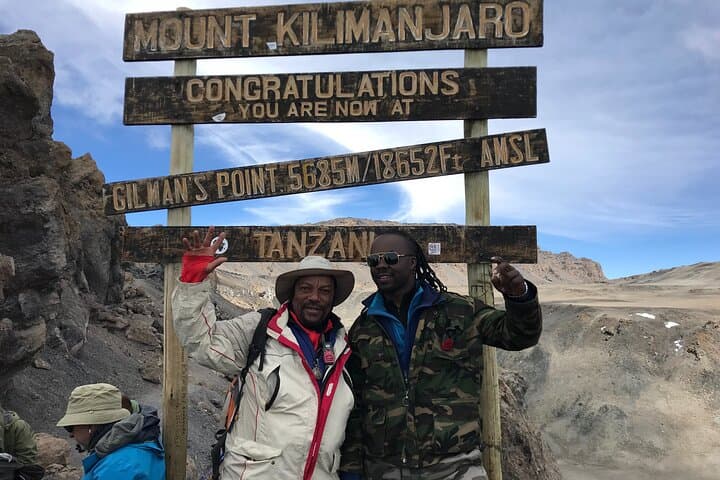
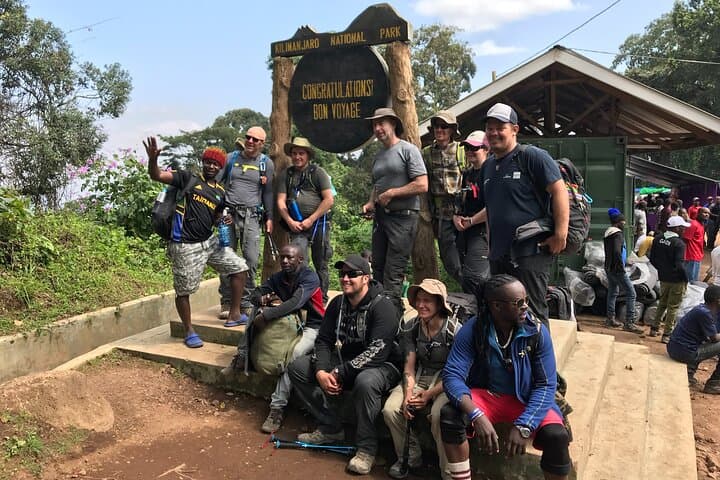
The headlamp cone slices through pre-dawn cold as a small team picks its way from Barafu toward Stella Point. Air thins with every step; the world below is cloud and forest. On this seven-day Machame-route climb, the mountain’s textures change fast—from dense rainforest and playful colobus monkeys at the trailhead to moorland, jagged lava fields and the brittle, blue ice near Uhuru Peak.
The headlamp cone slices through pre-dawn cold as a small team picks its way from Barafu toward Stella Point. Air thins with every step; the world below is cloud and forest. On this seven-day Machame-route climb, the mountain’s textures change fast—from dense rainforest and playful colobus monkeys at the trailhead to moorland, jagged lava fields and the brittle, blue ice near Uhuru Peak.
Kilimanjaro is a stratovolcano with three volcanic cones—Shira, Mawenzi and Kibo—whose glacial crowns have been receding for a century. The trail threads Chagga farmland on the lower slopes and crosses ecotones that locals have traversed for generations; porters and guides bring not only gear but stories about village life and mountain lore.
Expect daily moves of 6–12 km and steady elevation gains: Machame Gate (1,800m) to Machame Camp (3,000m), and the summit push from Barafu (4,600m) to Uhuru Peak (5,895m). Key features include Shira Plateau, Lava Tower for acclimatization and the technical-feeling scramble up Barranco Wall.
Practically, the route is non-technical but physically demanding and altitude-driven. Hydration, slow pacing and the ‘climb high, sleep low’ approach matter more than speed. Camps are tented with mess tents and hot meals; bring layered insulation for summit night, sturdy boots, poles and a reliable headlamp. Summiting is a long night and a long descent—plan recovery time in Moshi afterward. Respect park rules, pack out waste, and budget for gratuities to the crew—this climb is as much about people as it is about the peak.