THE ADVENTURE COLLECTIVE® · Independent discovery and booking for outdoor travel

A seven-day private circuit from Tokyo through Mount Fuji, Nikko, Kamikochi and Kyoto that blends iconic sights with quieter local encounters. Expect guided walks, manageable drives and cultural touchpoints—from markets to mountain onsen.
A seven-day private circuit from Tokyo through Mount Fuji, Nikko, Kamikochi and Kyoto that blends iconic sights with quieter local encounters. Expect guided walks, manageable drives and cultural touchpoints—from markets to mountain onsen.
You step from a yawning Tokyo street into the calm of a shrine garden and, seven days later, watch torii gates frame Mount Fuji across a black lake. This private, door-to-door itinerary moves deliberately—Tokyo's neon pulse gives way to volcanic slopes, cedar forests of Nikko, the alpine plateau of Kamikochi (≈1,500 m) and the gassho-zukuri villages of Shirakawa-go.
Verified experiences and guided adventures in the surrounding area.
Operated by Tomotachi Tours · Tokyo, Tokyo
You step from a yawning Tokyo street into the calm of a shrine garden and, seven days later, watch torii gates frame Mount Fuji across a black lake. This private, door-to-door itinerary moves deliberately—Tokyo's neon pulse gives way to volcanic slopes, cedar forests of Nikko, the alpine plateau of Kamikochi (≈1,500 m) and the gassho-zukuri villages of Shirakawa-go.
History sits in the architecture: Edo-era stone at the Imperial Palace, Tokugawa opulence at Toshogu in Nikko, and Kyoto’s thousand-year-old temples. Geology drives the route—the volcanic bowl of Hakone, the 3,776 m summit of Mount Fuji visible from Lake Ashinoko, and the waterfalls fed by glacial-fed rivers that still carve valleys here. Cultural texture arrives in markets (Tsukiji Outer Market, Nishiki Market), ceremonial shrines (Meiji, Fushimi Inari) and local rituals like onsen bathing in Bessho.
Expect practical pacing: daily drives of 2–4 hours link major points, with walking tours ranging from short urban loops to moderate nature strolls (Kamikochi trails cover roughly 15 km of plateau paths). Guides handle logistics—rail, tolls and museum tickets—so you focus on the ground: the cedar scent in Nikko, steam rising at Owakudani, and macaques bathing in Jigokudani’s hot springs.
Bring adaptable layers, comfortable walking shoes, and a small daypack; mornings are best for quieter temples and clearer Fuji views. Mobility-friendly transport and a private English-speaking guide make this a practical route for travelers who want depth without the crowds.
easy.
7 days.
Light to moderate fitness—suitable for travelers who can walk 2–5 km on varied surfaces and manage stairs and short uphill sections.
Yes—transport is private and many sites are accessible, but some locations (stepped shrine approaches, Kamikochi paths and Fuji 5th Station terrain) include stairs and uneven ground; advise the operator of mobility needs when booking.
Not required—this private tour uses a vehicle and local transport as arranged by the guide; if you plan independent travel before or after the tour, a JR Pass may be useful.
Late spring and autumn offer mild weather and clearer mountain views; winter can show heavy snow in Shirakawa-go while summer brings occasional haze that can obscure Fuji.
The route ties modern Tokyo to Edo and imperial Japan—Toshogu enshrines Tokugawa Ieyasu while Kyoto preserves Heian-era religious sites.
Many sites limit access to protect fragile forests and onsen areas—follow marked trails, avoid littering and use licensed guides to reduce impact.
Tomotachi Tours operates guided outdoor trips and adventures with an emphasis on safety, stewardship, and memorable experiences.
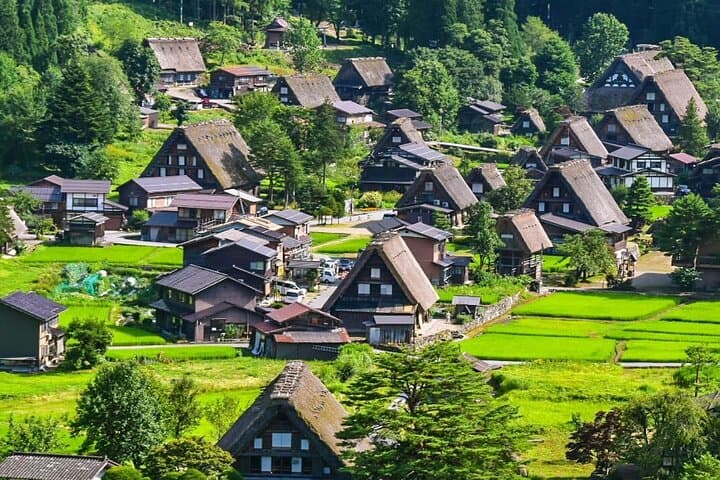
You step from a yawning Tokyo street into the calm of a shrine garden and, seven days later, watch torii gates frame Mount Fuji across a black lake. This private, door-to-door itinerary moves deliberately—Tokyo's neon pulse gives way to volcanic slopes, cedar forests of Nikko, the alpine plateau of Kamikochi (≈1,500 m) and the gassho-zukuri villages of Shirakawa-go.
You step from a yawning Tokyo street into the calm of a shrine garden and, seven days later, watch torii gates frame Mount Fuji across a black lake. This private, door-to-door itinerary moves deliberately—Tokyo's neon pulse gives way to volcanic slopes, cedar forests of Nikko, the alpine plateau of Kamikochi (≈1,500 m) and the gassho-zukuri villages of Shirakawa-go.
History sits in the architecture: Edo-era stone at the Imperial Palace, Tokugawa opulence at Toshogu in Nikko, and Kyoto’s thousand-year-old temples. Geology drives the route—the volcanic bowl of Hakone, the 3,776 m summit of Mount Fuji visible from Lake Ashinoko, and the waterfalls fed by glacial-fed rivers that still carve valleys here. Cultural texture arrives in markets (Tsukiji Outer Market, Nishiki Market), ceremonial shrines (Meiji, Fushimi Inari) and local rituals like onsen bathing in Bessho.
Expect practical pacing: daily drives of 2–4 hours link major points, with walking tours ranging from short urban loops to moderate nature strolls (Kamikochi trails cover roughly 15 km of plateau paths). Guides handle logistics—rail, tolls and museum tickets—so you focus on the ground: the cedar scent in Nikko, steam rising at Owakudani, and macaques bathing in Jigokudani’s hot springs.
Bring adaptable layers, comfortable walking shoes, and a small daypack; mornings are best for quieter temples and clearer Fuji views. Mobility-friendly transport and a private English-speaking guide make this a practical route for travelers who want depth without the crowds.