THE ADVENTURE COLLECTIVE® · Independent discovery and booking for outdoor travel

A private, seven-day circuit from Tokyo to Kyoto that pairs city highs with Mount Fuji’s classic silhouette. Expect curated cultural sites, lakeside Fuji views, and practical tips for clear-sky mornings and comfortable walking.
A private, seven-day circuit from Tokyo to Kyoto that pairs city highs with Mount Fuji’s classic silhouette. Expect curated cultural sites, lakeside Fuji views, and practical tips for clear-sky mornings and comfortable walking.
You step out of Narita’s cool terminal air into a driver’s welcome sign and the organized hum of Japan — neon and punctuality rolling toward a week of city corridors, temple gardens, and Fuji’s distant cone.
Verified experiences and guided adventures in the surrounding area.
Operated by Pingan First Travel · Tokyo, Tokyo
You step out of Narita’s cool terminal air into a driver’s welcome sign and the organized hum of Japan — neon and punctuality rolling toward a week of city corridors, temple gardens, and Fuji’s distant cone.
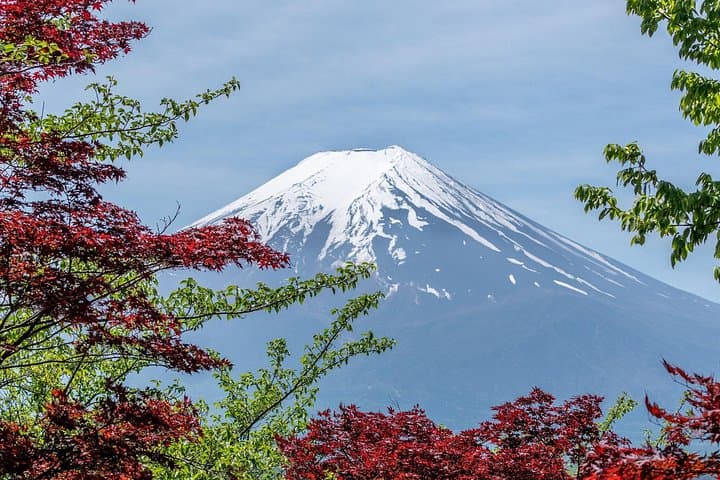
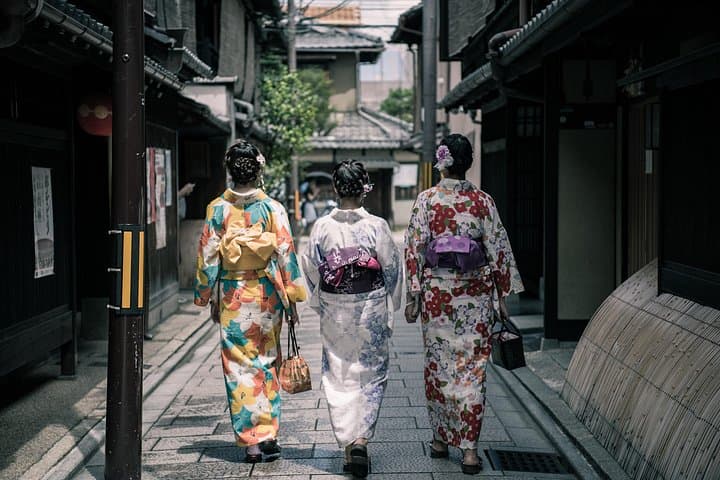
This private 7-day loop threads Tokyo’s hypermodern districts with Kyoto’s timbered shrine streets, Osaka’s energetic food alleys and the stoic profile of Mount Fuji. Historically these places chart Japan’s shift from feudal capitals to industrial powerhouse: Kyoto’s wooden stages and Shinto rites contrast with Tokyo’s Meiji-era transformation and Osaka’s merchant legacy. Mount Fuji itself is an active stratovolcano whose symmetrical cone shaped local culture and pilgrimage routes for centuries; the surrounding lakes were formed by lava flows and glacial action that continue to shape shoreline vistas.
Expect varied surfaces — Tokyo pavements and temple gravel, lakeside promenades at Yamanaka, and well-maintained sightseeing paths near Fuji that demand steady footwear rather than technical gear. The sea breeze in Yokohama and the alpine whisper around Fuji will feel like different characters in the same story; the mountain often hides behind cloud and then, surprisingly, reveals itself as if testing your patience.
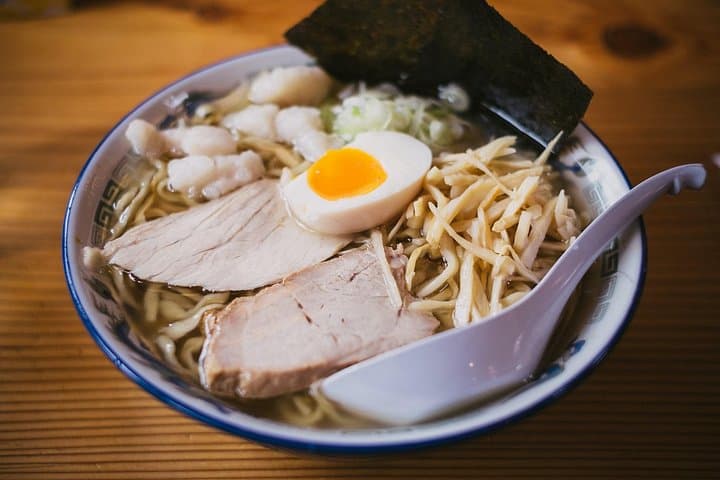
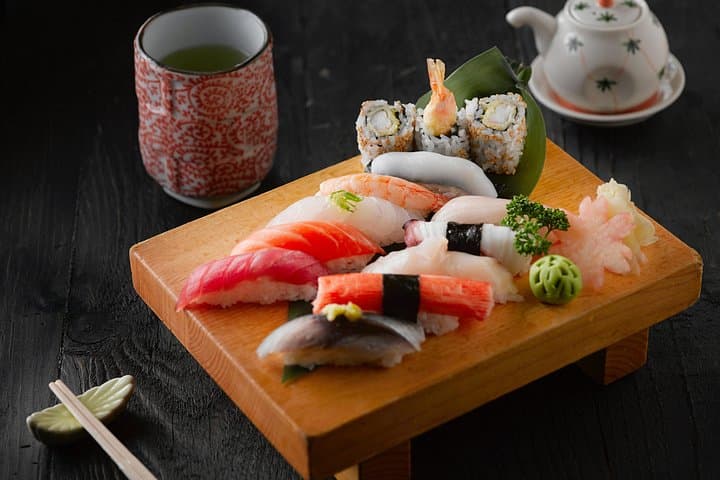
Practical guidance: plan early mornings for clear views of Fuji, carry a compact rain layer and comfortable walking shoes, and budget time for trains or short drives between cities. Local tipping is minimal; learn a few polite phrases and have cash for small vendors. The tour balances culture and landscape — bring curiosity, sensible gear, and an appetite for both sushi counters and shrine quiet.
moderate.
7 days.
Suitable for travelers in average fitness; involves several days of walking and short transfers between cities
Yes. The private format includes guides and transfers that ease navigation between cities, making it accessible to first-time travelers.
Visibility depends on weather; mornings and cooler months offer the best chances—guides will optimize timing but sightings cannot be guaranteed.
Yes, the itinerary includes six nights in 4-star hotels as listed in the tour inclusions.
This specific tour is listed as all sales final with no refunds available for cancellations; confirm dates carefully before booking.
The route links Japan’s imperial and commercial centers—Kyoto’s classical court culture and Osaka’s merchant history—while Mount Fuji has been a spiritual and artistic icon for centuries.
Visitors are encouraged to stay on marked paths, minimize single-use plastics, and follow local rules at sacred sites to reduce erosion and cultural impact.
Pingan First Travel operates guided outdoor trips and adventures with an emphasis on safety, stewardship, and memorable experiences.
You step out of Narita’s cool terminal air into a driver’s welcome sign and the organized hum of Japan — neon and punctuality rolling toward a week of city corridors, temple gardens, and Fuji’s distant cone.
You step out of Narita’s cool terminal air into a driver’s welcome sign and the organized hum of Japan — neon and punctuality rolling toward a week of city corridors, temple gardens, and Fuji’s distant cone.
This private 7-day loop threads Tokyo’s hypermodern districts with Kyoto’s timbered shrine streets, Osaka’s energetic food alleys and the stoic profile of Mount Fuji. Historically these places chart Japan’s shift from feudal capitals to industrial powerhouse: Kyoto’s wooden stages and Shinto rites contrast with Tokyo’s Meiji-era transformation and Osaka’s merchant legacy. Mount Fuji itself is an active stratovolcano whose symmetrical cone shaped local culture and pilgrimage routes for centuries; the surrounding lakes were formed by lava flows and glacial action that continue to shape shoreline vistas.
Expect varied surfaces — Tokyo pavements and temple gravel, lakeside promenades at Yamanaka, and well-maintained sightseeing paths near Fuji that demand steady footwear rather than technical gear. The sea breeze in Yokohama and the alpine whisper around Fuji will feel like different characters in the same story; the mountain often hides behind cloud and then, surprisingly, reveals itself as if testing your patience.
Practical guidance: plan early mornings for clear views of Fuji, carry a compact rain layer and comfortable walking shoes, and budget time for trains or short drives between cities. Local tipping is minimal; learn a few polite phrases and have cash for small vendors. The tour balances culture and landscape — bring curiosity, sensible gear, and an appetite for both sushi counters and shrine quiet.