THE ADVENTURE COLLECTIVE® · Independent discovery and booking for outdoor travel

A private seven-day loop through Paro, Thimphu and Punakha that pairs cliffside hikes, ancient dzongs and local culture with guided logistics. Ideal for travelers who want high-country scenery without heavy trekking gear.
A private seven-day loop through Paro, Thimphu and Punakha that pairs cliffside hikes, ancient dzongs and local culture with guided logistics. Ideal for travelers who want high-country scenery without heavy trekking gear.
You step off the plane at Paro and the air feels thinner, the ridgelines sharper: Bhutan presents itself as a country that moves slowly but watches closely. Over seven days a private guide and driver unfold the kingdom — winding roads from Paro to Thimphu, prayer flags flickering on passes, and the cliff-clinging silhouette of Taktsang (Tiger’s Nest) daring you to climb.
Verified experiences and guided adventures in the surrounding area.
Operated by Druk Asia - Bhutan Travel Specialist · Paro, Paro District
You step off the plane at Paro and the air feels thinner, the ridgelines sharper: Bhutan presents itself as a country that moves slowly but watches closely. Over seven days a private guide and driver unfold the kingdom — winding roads from Paro to Thimphu, prayer flags flickering on passes, and the cliff-clinging silhouette of Taktsang (Tiger’s Nest) daring you to climb.
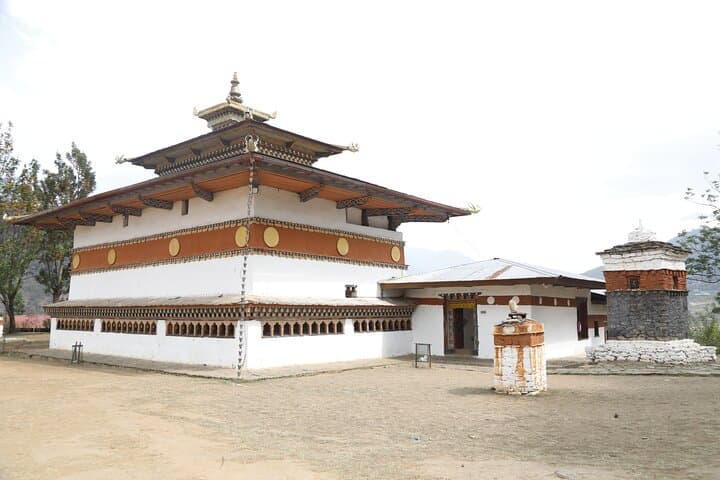
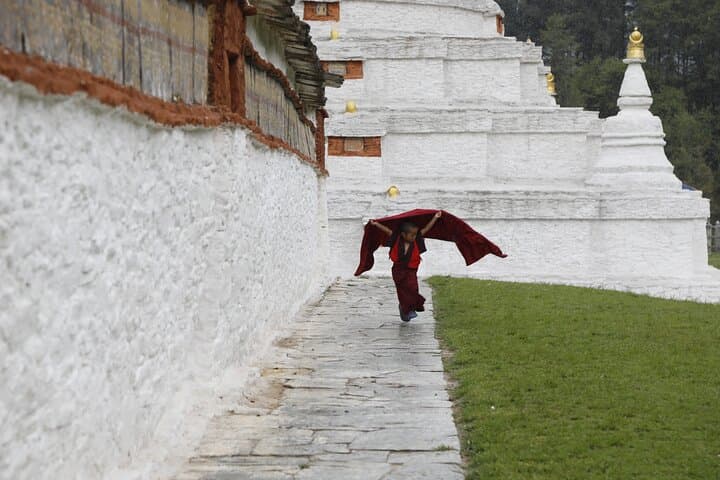
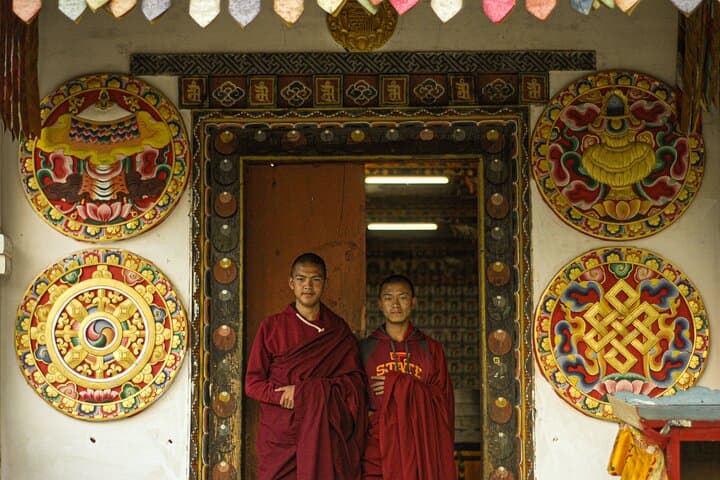
The itinerary threads history and geology: 17th-century dzongs that once served as administrative fortresses loom above river junctions carved by glacial runoff. The Pho Chu and Mo Chu rivers push the valleys open, carving terraces where rice paddies hold the light. Culture is tangible — monks’ chants, traditional arts at painting schools, and village temples that have stood since medieval unification under Zhabdrung Ngawang Namgyal.
Expect a mix of short hikes and cultural stops: gentle walks through paddy fields to Chimi Lhakhang, a steeper 2–3 hour ascent to Taktsang, and panoramic viewpoints at Dochula Pass. Guides handle permits and logistics; accommodations are typically 3-star hotels with local character.
Practical edge: altitude rises to about 3,100 m at Dochula; plan for slow pacing and one easy day on arrival. Footwear should be broken-in hiking shoes; weather can flip from sun to rain in hours, so layered protection is essential. Carry Bhutanese ngultrum or small bills for rural purchases, and bring a modest wardrobe for temple visits. With basic fitness and sensible packing, the trip balances cultural immersion and alpine scenery — a compact, high-country introduction to Bhutan.
moderate.
7 days.
Moderate fitness: able to walk 2–4 hours with elevation gain, comfortable with daily transfers and short steep hikes.
Yes — most nationalities require a visa processed by your tour operator as part of the booking; ensure passport details and expiry are provided early.
Expect a moderately steep 1–3 hour ascent depending on pace; parts are rocky with stone steps — not technical but physically demanding at altitude.
Yes — some visitors feel mild symptoms above 2,500 m; drink water, rest on arrival and inform your guide if you feel unwell.
Typical 7-day private packages include 3-star hotel lodging and many meals, but confirm specifics with the operator before booking.
Many dzongs date to the 17th century when Zhabdrung Ngawang Namgyal unified Bhutan; these fortress-monasteries served religious and administrative roles.
Bhutan limits tourist numbers through licensing and a sustainable tourism fee; visitors are encouraged to follow leave-no-trace principles and support local artisans.
Druk Asia - Bhutan Travel Specialist operates guided outdoor trips and adventures with an emphasis on safety, stewardship, and memorable experiences.

You step off the plane at Paro and the air feels thinner, the ridgelines sharper: Bhutan presents itself as a country that moves slowly but watches closely. Over seven days a private guide and driver unfold the kingdom — winding roads from Paro to Thimphu, prayer flags flickering on passes, and the cliff-clinging silhouette of Taktsang (Tiger’s Nest) daring you to climb.
You step off the plane at Paro and the air feels thinner, the ridgelines sharper: Bhutan presents itself as a country that moves slowly but watches closely. Over seven days a private guide and driver unfold the kingdom — winding roads from Paro to Thimphu, prayer flags flickering on passes, and the cliff-clinging silhouette of Taktsang (Tiger’s Nest) daring you to climb.
The itinerary threads history and geology: 17th-century dzongs that once served as administrative fortresses loom above river junctions carved by glacial runoff. The Pho Chu and Mo Chu rivers push the valleys open, carving terraces where rice paddies hold the light. Culture is tangible — monks’ chants, traditional arts at painting schools, and village temples that have stood since medieval unification under Zhabdrung Ngawang Namgyal.
Expect a mix of short hikes and cultural stops: gentle walks through paddy fields to Chimi Lhakhang, a steeper 2–3 hour ascent to Taktsang, and panoramic viewpoints at Dochula Pass. Guides handle permits and logistics; accommodations are typically 3-star hotels with local character.
Practical edge: altitude rises to about 3,100 m at Dochula; plan for slow pacing and one easy day on arrival. Footwear should be broken-in hiking shoes; weather can flip from sun to rain in hours, so layered protection is essential. Carry Bhutanese ngultrum or small bills for rural purchases, and bring a modest wardrobe for temple visits. With basic fitness and sensible packing, the trip balances cultural immersion and alpine scenery — a compact, high-country introduction to Bhutan.