THE ADVENTURE COLLECTIVE® · Independent discovery and booking for outdoor travel

A seven-day private itinerary that blends Accra’s city life, Ashanti culture, and the rainforest heights of Kakum. Expect historical forts, living craft traditions, and a canopy walkway that places you above a lively tropical forest.
A seven-day private itinerary that blends Accra’s city life, Ashanti culture, and the rainforest heights of Kakum. Expect historical forts, living craft traditions, and a canopy walkway that places you above a lively tropical forest.
You step out of Kotoka International Airport into a warm, briny afternoon; Accra hums and the road to the hills already unwinds before you. Street vendors call, fishing boats rock on the distant shoreline, and an experienced local guide slides into the driver’s seat — the next seven days are a corridor through Ghana’s human and natural histories.
Verified experiences and guided adventures in the surrounding area.
Operated by Ashanti African Tours · Accra, Greater Accra
You step out of Kotoka International Airport into a warm, briny afternoon; Accra hums and the road to the hills already unwinds before you. Street vendors call, fishing boats rock on the distant shoreline, and an experienced local guide slides into the driver’s seat — the next seven days are a corridor through Ghana’s human and natural histories.
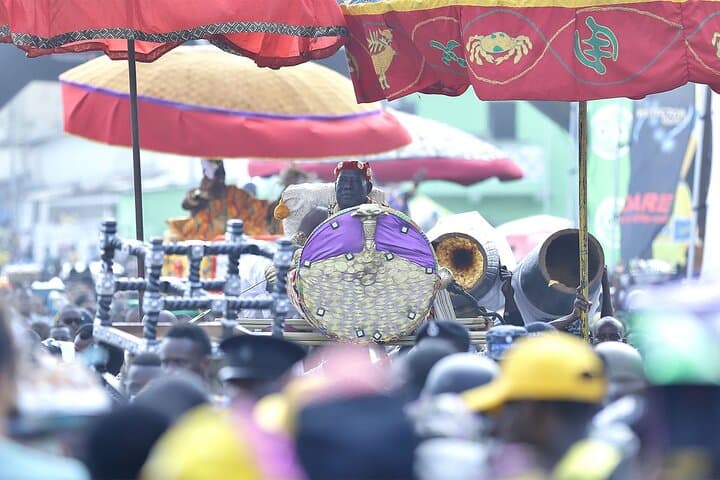
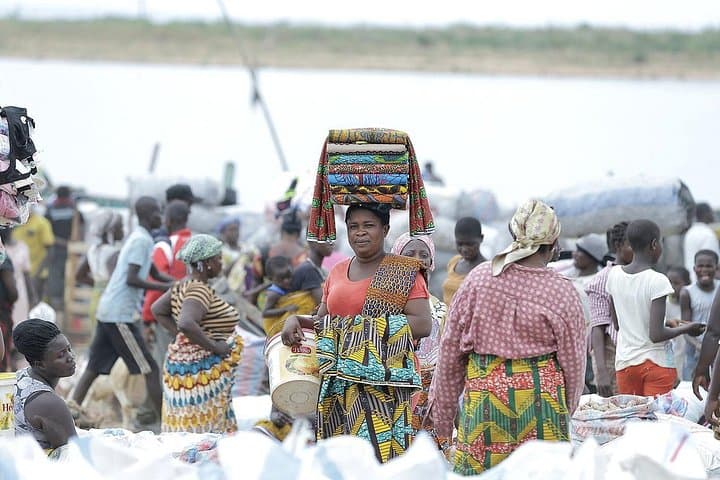
From colonial forts on the Gold Coast to the shaded bridges of Kakum National Park, the route traces geology and empire: coastal sandstone and mangrove estuaries give way to low rainforest and lateritic soils of the Akuapem hills. In Accra and Kumasi you’ll meet craftsmen weaving kente and printing adinkra symbols, and you’ll hear Ashanti history in the wooden beams and palace artifacts that remain from a powerful regional kingdom.
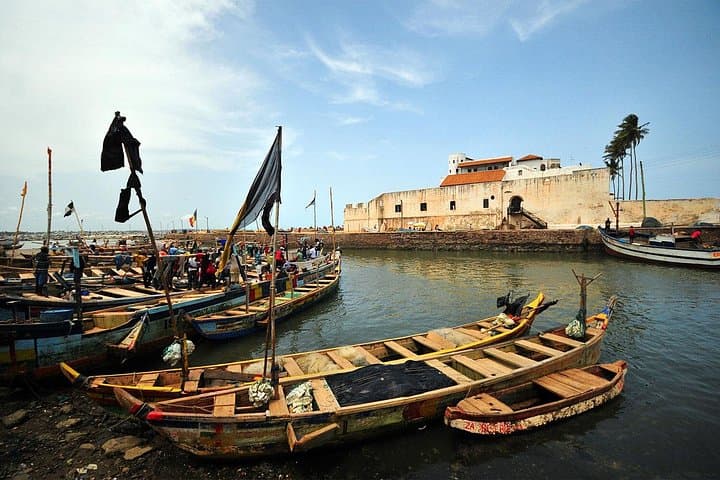
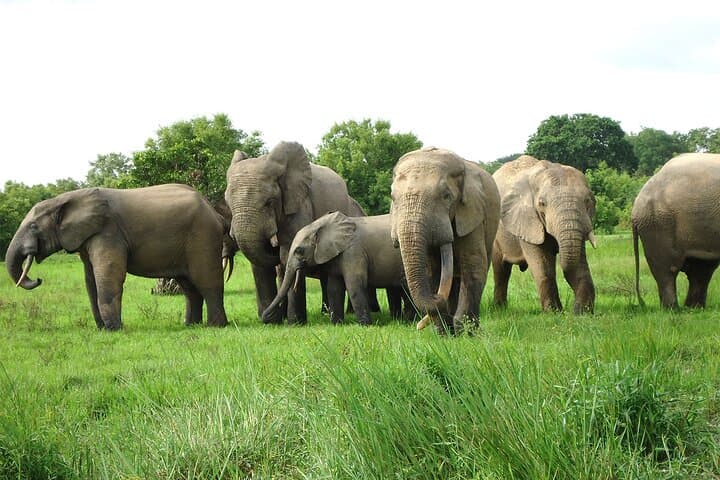
Kakum’s canopy walkway threads 40 metres over a living roof where the rainforest breathes and sometimes presses close; look down and the understory moves, birds flick and monkeys test the quiet. At Cape Coast and Elmina the forts hold difficult stories of the transatlantic trade — visits here are contemplative and essential for context. Small projects — bead workshops, the stingless bee centre, and batik co-ops — connect craft to livelihoods and conservation.
Practicalities matter: travel is by air-conditioned vehicle with hotels provided, so plan light layers, malaria precautions, and local currency for markets and tips. Expect short hikes, laddered walkways, market navigation, and plenty of standing during museum and castle tours. Timing your trip outside the heavy rains (major rains Apr–Jun, short rains Sep–Nov) makes the canopy and coastal time more reliable. Bring comfortable walking shoes, a waterproof layer, and an open curiosity: Ghana rewards attention with color, history and wildlife.
easy.
7 days.
Suitable for most travelers; should be able to walk short distances on uneven ground and climb staircases or simple ladders.
Many nationalities require a visa—check Ghana’s entry requirements well before travel and ensure your passport has at least six months validity.
The walkway is stable but elevated; children should be supervised and anyone with a fear of heights should assess comfort level—guides can advise on safe use.
Routine vaccinations plus yellow fever (often required) are recommended; consult a travel clinic for up-to-date advice on malaria and other precautions.
Yes—local restaurants and the tour operator can usually accommodate diets with advance notice; bring snacks for long travel days.
Ghana’s coastline was central to Portuguese, Dutch and British trade networks; the Ashanti Empire shaped inland political life and kente and adinkra remain cultural markers.
Kakum is protected forest that benefits from visitor fees and local initiatives; support community-run craft projects and avoid single-use plastics to reduce your footprint.
Ashanti African Tours operates guided outdoor trips and adventures with an emphasis on safety, stewardship, and memorable experiences.
You step out of Kotoka International Airport into a warm, briny afternoon; Accra hums and the road to the hills already unwinds before you. Street vendors call, fishing boats rock on the distant shoreline, and an experienced local guide slides into the driver’s seat — the next seven days are a corridor through Ghana’s human and natural histories.
You step out of Kotoka International Airport into a warm, briny afternoon; Accra hums and the road to the hills already unwinds before you. Street vendors call, fishing boats rock on the distant shoreline, and an experienced local guide slides into the driver’s seat — the next seven days are a corridor through Ghana’s human and natural histories.
From colonial forts on the Gold Coast to the shaded bridges of Kakum National Park, the route traces geology and empire: coastal sandstone and mangrove estuaries give way to low rainforest and lateritic soils of the Akuapem hills. In Accra and Kumasi you’ll meet craftsmen weaving kente and printing adinkra symbols, and you’ll hear Ashanti history in the wooden beams and palace artifacts that remain from a powerful regional kingdom.
Kakum’s canopy walkway threads 40 metres over a living roof where the rainforest breathes and sometimes presses close; look down and the understory moves, birds flick and monkeys test the quiet. At Cape Coast and Elmina the forts hold difficult stories of the transatlantic trade — visits here are contemplative and essential for context. Small projects — bead workshops, the stingless bee centre, and batik co-ops — connect craft to livelihoods and conservation.
Practicalities matter: travel is by air-conditioned vehicle with hotels provided, so plan light layers, malaria precautions, and local currency for markets and tips. Expect short hikes, laddered walkways, market navigation, and plenty of standing during museum and castle tours. Timing your trip outside the heavy rains (major rains Apr–Jun, short rains Sep–Nov) makes the canopy and coastal time more reliable. Bring comfortable walking shoes, a waterproof layer, and an open curiosity: Ghana rewards attention with color, history and wildlife.