THE ADVENTURE COLLECTIVE® · Independent discovery and booking for outdoor travel

A seven-day private circuit from Siliguri that stitches Gangtok, Pelling and Darjeeling into a practical Himalayan primer—sunrise vistas on Kanchenjunga, sacred lakes and centuries-old monasteries. Ideal for travelers who want dramatic mountain scenery without technical mountaineering.
A seven-day private circuit from Siliguri that stitches Gangtok, Pelling and Darjeeling into a practical Himalayan primer—sunrise vistas on Kanchenjunga, sacred lakes and centuries-old monasteries. Ideal for travelers who want dramatic mountain scenery without technical mountaineering.
The highway climbs and folds like a well-read map, every hairpin revealing another sliver of the eastern Himalaya. On a clear morning the sun rips a bright seam across Kanchenjunga and the peaks seem to rearrange the sky; by afternoon low clouds press against village roofs and the air takes on a tea-scented chill. This seven-day private route from Siliguri threads Gangtok, Pelling and Darjeeling—three different Himalayan characters—into one accessible introduction to Sikkim and north Bengal.
Verified experiences and guided adventures in the surrounding area.
Operated by Your Trip Planner · Gangtok, Sikkim
The highway climbs and folds like a well-read map, every hairpin revealing another sliver of the eastern Himalaya. On a clear morning the sun rips a bright seam across Kanchenjunga and the peaks seem to rearrange the sky; by afternoon low clouds press against village roofs and the air takes on a tea-scented chill. This seven-day private route from Siliguri threads Gangtok, Pelling and Darjeeling—three different Himalayan characters—into one accessible introduction to Sikkim and north Bengal.
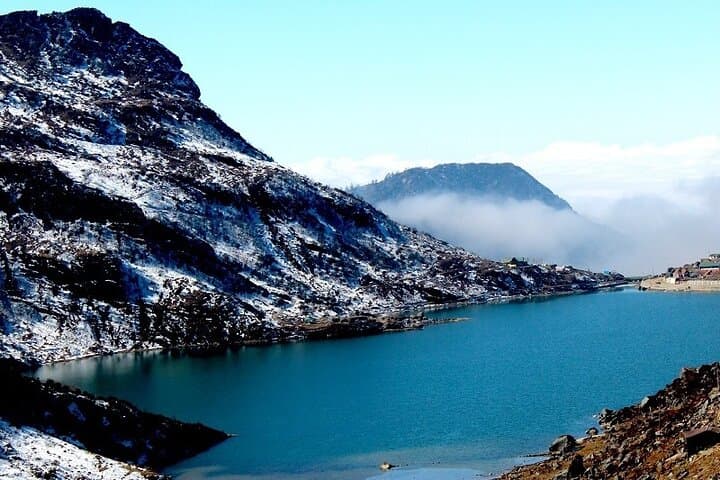
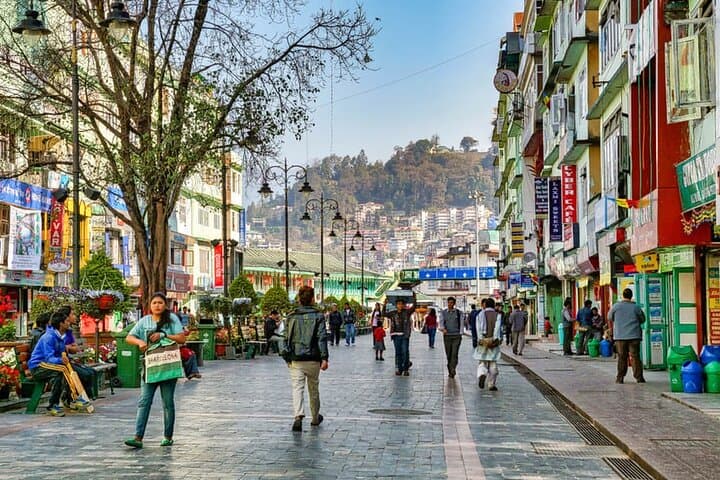
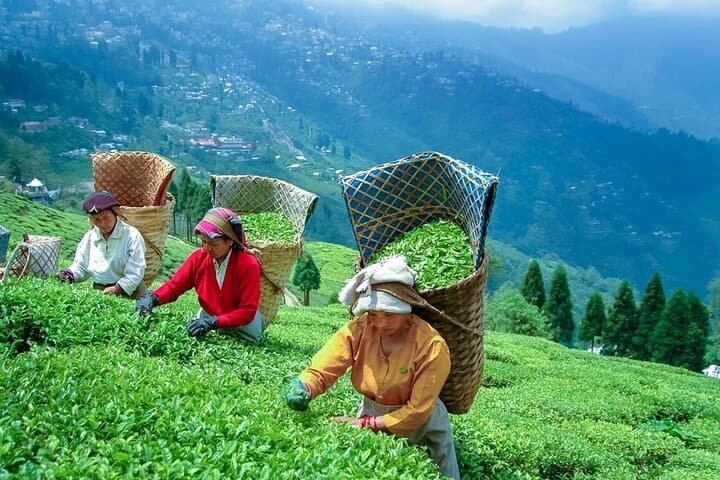
You begin in Gangtok, a vibrant hill capital at roughly 1,650 m where Bhutia, Lepcha and Nepali cultures overlap. The itinerary balances high mountain lacunae—Tsomgo (Changu) Lake at about 12,400 ft (≈3,780 m) and the Baba Harbhajan shrine—with quieter valleys: Pemayangtse monastery and Khecheopalri Lake near Pelling, the latter long revered as wish-fulfilling by both Buddhists and Hindus. Darjeeling closes the circuit with its tea gardens, colonial-era toy train alignments and an early predawn pilgrimage to Tiger Hill for a sunrise that sets Kanchenjunga’s serrated face ablaze.
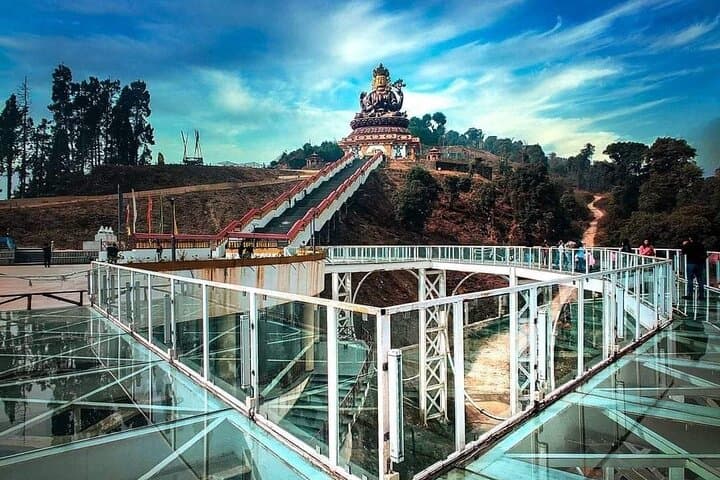
Geology here is still young and impatient: tectonic plates shove and fold, creating steep valleys and waterfalls like Kanchenjunga Falls and Rimbi. Human history feels almost equally immediate—Rabdentse’s ruined palace whispers Sikkim’s kingdom-era struggles, while the Pemayangtse complex speaks to 17th-century Buddhist patronage and the persistence of monastic life.
Practically, expect long but manageable road transfers—NJP/Bagdogra to Gangtok is roughly 125 km and 4–5 hours on good days; Pelling to Darjeeling about 72 km, roughly three hours. Acclimatize on day one if you plan Tsomgo the next morning; that site requires permits and sometimes changes depending on seasonal road conditions. The tour provides hotel pickups and drop-offs and includes breakfast most days; drivers handle local permits when required. Pack layered clothing, waterproofs, sturdy trekking shoes and a daypack for short walks. Hydration and sun protection matter: high-altitude sun is deceptive, and the cold can bite fast after sunset.
Local rhythms reward patience: arrive at a monastery during prayer time, walk tea garden terraces at midday light, and seek out small villages like Darap to see traditional wooden homes and local handicrafts. Wildlife sightings—Himalayan monal or, more rarely, red panda in protected areas—happen in the quieter reserves or at the Padmaja Naidu Zoo in Darjeeling.
This tour is a practical, compact way to read the eastern Himalaya’s chapters—peak vistas, living monasteries and tea-scented slopes—without sacrificing comfort. Move slowly where the views demand it, and let the road do the work of revealing the high country’s quieter stories.
moderate.
7 days.
Suitably active—able to walk short uphill sections and handle multiple half-day excursions; moderate cardiovascular fitness recommended.
Yes—local permits are required for Tsomgo (Changu) Lake and some high-altitude border roads; your driver/agent will usually arrange these.
October–November and March–May offer the clearest mountain views; monsoon months (June–September) bring heavier rain and occasional road disruptions.
Highest point is Tsomgo at ~3,780 m—most travelers manage with basic acclimatization, but those with cardiorespiratory issues should consult a physician.
This is a private tour; daily plans can often be adjusted with the operator depending on permits and passenger needs.
Breakfast is included most days; hotels listed are typically 3-star and full-board options can be requested at booking.
Yes—the tour accepts solo bookings, but confirm single‑room supplements and pickup logistics when booking.
The route traces Sikkim’s 17th–19th century monarchy—Pemayangtse monastery and Rabdentse ruins recall an era when small kingdoms shaped trade and religion in the eastern Himalaya.
Khecheopalri Lake is treated as sacred and protected by local rules; visitors should avoid littering and comply with permit restrictions that help preserve fragile alpine ecosystems.
Your Trip Planner operates guided outdoor trips and adventures with an emphasis on safety, stewardship, and memorable experiences.
The highway climbs and folds like a well-read map, every hairpin revealing another sliver of the eastern Himalaya. On a clear morning the sun rips a bright seam across Kanchenjunga and the peaks seem to rearrange the sky; by afternoon low clouds press against village roofs and the air takes on a tea-scented chill. This seven-day private route from Siliguri threads Gangtok, Pelling and Darjeeling—three different Himalayan characters—into one accessible introduction to Sikkim and north Bengal.
The highway climbs and folds like a well-read map, every hairpin revealing another sliver of the eastern Himalaya. On a clear morning the sun rips a bright seam across Kanchenjunga and the peaks seem to rearrange the sky; by afternoon low clouds press against village roofs and the air takes on a tea-scented chill. This seven-day private route from Siliguri threads Gangtok, Pelling and Darjeeling—three different Himalayan characters—into one accessible introduction to Sikkim and north Bengal.
You begin in Gangtok, a vibrant hill capital at roughly 1,650 m where Bhutia, Lepcha and Nepali cultures overlap. The itinerary balances high mountain lacunae—Tsomgo (Changu) Lake at about 12,400 ft (≈3,780 m) and the Baba Harbhajan shrine—with quieter valleys: Pemayangtse monastery and Khecheopalri Lake near Pelling, the latter long revered as wish-fulfilling by both Buddhists and Hindus. Darjeeling closes the circuit with its tea gardens, colonial-era toy train alignments and an early predawn pilgrimage to Tiger Hill for a sunrise that sets Kanchenjunga’s serrated face ablaze.
Geology here is still young and impatient: tectonic plates shove and fold, creating steep valleys and waterfalls like Kanchenjunga Falls and Rimbi. Human history feels almost equally immediate—Rabdentse’s ruined palace whispers Sikkim’s kingdom-era struggles, while the Pemayangtse complex speaks to 17th-century Buddhist patronage and the persistence of monastic life.
Practically, expect long but manageable road transfers—NJP/Bagdogra to Gangtok is roughly 125 km and 4–5 hours on good days; Pelling to Darjeeling about 72 km, roughly three hours. Acclimatize on day one if you plan Tsomgo the next morning; that site requires permits and sometimes changes depending on seasonal road conditions. The tour provides hotel pickups and drop-offs and includes breakfast most days; drivers handle local permits when required. Pack layered clothing, waterproofs, sturdy trekking shoes and a daypack for short walks. Hydration and sun protection matter: high-altitude sun is deceptive, and the cold can bite fast after sunset.
Local rhythms reward patience: arrive at a monastery during prayer time, walk tea garden terraces at midday light, and seek out small villages like Darap to see traditional wooden homes and local handicrafts. Wildlife sightings—Himalayan monal or, more rarely, red panda in protected areas—happen in the quieter reserves or at the Padmaja Naidu Zoo in Darjeeling.
This tour is a practical, compact way to read the eastern Himalaya’s chapters—peak vistas, living monasteries and tea-scented slopes—without sacrificing comfort. Move slowly where the views demand it, and let the road do the work of revealing the high country’s quieter stories.