THE ADVENTURE COLLECTIVE® · Independent discovery and booking for outdoor travel

A private, seven-day loop through Egypt’s headline sites: Giza’s pyramids, Saqqara’s Step Pyramid, Cairo’s museums and bazaars, plus Luxor’s temples and tombs. Expect guided archaeology-led tours, a camel ride on the plateau, and practical local tips for heat, dress, and timing.
A private, seven-day loop through Egypt’s headline sites: Giza’s pyramids, Saqqara’s Step Pyramid, Cairo’s museums and bazaars, plus Luxor’s temples and tombs. Expect guided archaeology-led tours, a camel ride on the plateau, and practical local tips for heat, dress, and timing.
You step from the airport into Cairo’s heat and light; the Nile cuts a cool, sinuous line through the city while a guide waits to move you through layers of history.
Verified experiences and guided adventures in the surrounding area.
Operated by Egyptravel Tours · Cairo, Cairo Governorate
You step from the airport into Cairo’s heat and light; the Nile cuts a cool, sinuous line through the city while a guide waits to move you through layers of history.
Across seven days this private itinerary stitches the capital and the ancient Theban landscape into a single narrative: the Giza plateau’s limestone pyramids and the Sphinx’s compact stare, the Step Pyramid at Saqqara that rewired funerary architecture, and Luxor’s twin faces—the necropolis of the West Bank and the colonnaded halls of Karnak on the East.
Geology matters here: the river’s alluvial plain created the life that funded pharaonic grandeur, while nearby desert plateaus supplied the limestone and sandstone that preserve temples and tombs. Culture folds in Coptic churches and the mosques of Islamic Cairo; bazaar alleys hum with craftsmen, spices, and tea houses where bargaining is part of the rhythm.
Expect guided museum tours (Tutankhamun’s treasures), a short camel ride on Giza’s plateau, and a quad-bike option across sandy flats. Days typically include two to four hours of walking across uneven stone floors and steps—not elevation so much as sustained standing in sun.
Practical edge: travel light each day, wear closed-toe walking shoes with good soles, and layer for cooler desert mornings and warmer afternoons. Plan museum visits early to avoid crowds and midday heat, carry local currency for small purchases, and respect modest dress codes in religious sites.
This tour blends big-name monuments with on-the-ground logistics to keep history vivid and the travel smooth.
moderate.
7 days.
Suitable for travelers who can handle several hours of on-foot sightseeing per day and short, uneven stairways; not physically demanding but requires stamina in heat.
Most travelers require a visa; check entry requirements for your nationality and obtain either an e-visa in advance or a visa on arrival where available.
This private tour typically includes entrance fees for listed sites and air-conditioned transfers between locations as specified in the itinerary.
Some components are wheelchair accessible, but ancient sites have uneven terrain and steps; notify the operator ahead to arrange suitable access and alternatives.
Yes—operators commonly accommodate vegetarian, vegan, and gluten-free requests if noted at booking.
The Nile Valley’s agricultural surplus enabled centralized pharaonic states and monumental temple-building; Islamic Cairo later layered the city with medieval religious and market architecture.
Archaeological sites are sensitive to foot traffic and humidity—avoid touching carvings, use designated paths, and minimize single-use plastics in desert environments.
Egyptravel Tours operates guided outdoor trips and adventures with an emphasis on safety, stewardship, and memorable experiences.
You step from the airport into Cairo’s heat and light; the Nile cuts a cool, sinuous line through the city while a guide waits to move you through layers of history.
You step from the airport into Cairo’s heat and light; the Nile cuts a cool, sinuous line through the city while a guide waits to move you through layers of history.
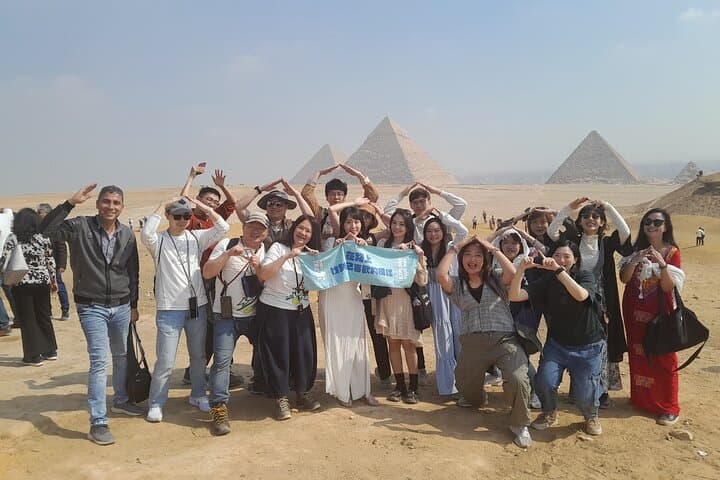
Across seven days this private itinerary stitches the capital and the ancient Theban landscape into a single narrative: the Giza plateau’s limestone pyramids and the Sphinx’s compact stare, the Step Pyramid at Saqqara that rewired funerary architecture, and Luxor’s twin faces—the necropolis of the West Bank and the colonnaded halls of Karnak on the East.
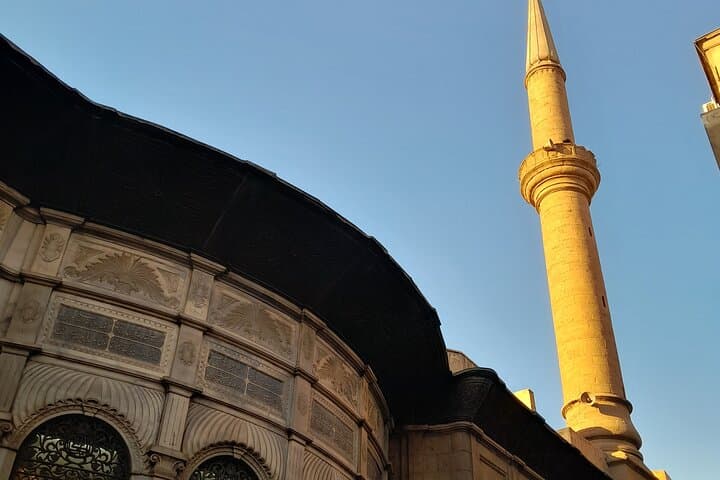
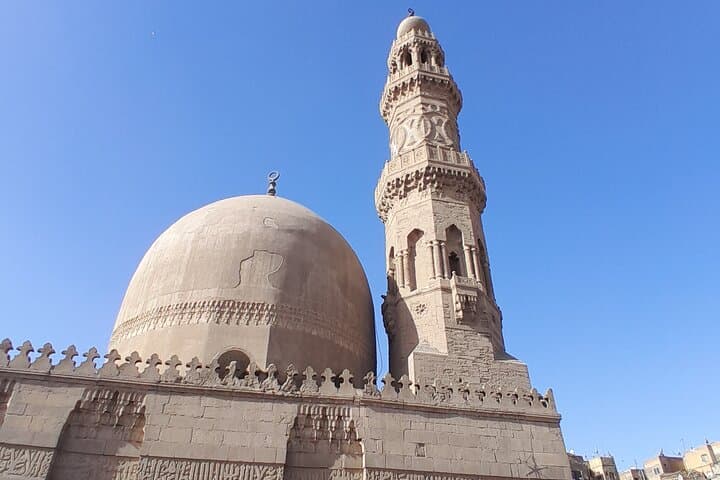
Geology matters here: the river’s alluvial plain created the life that funded pharaonic grandeur, while nearby desert plateaus supplied the limestone and sandstone that preserve temples and tombs. Culture folds in Coptic churches and the mosques of Islamic Cairo; bazaar alleys hum with craftsmen, spices, and tea houses where bargaining is part of the rhythm.
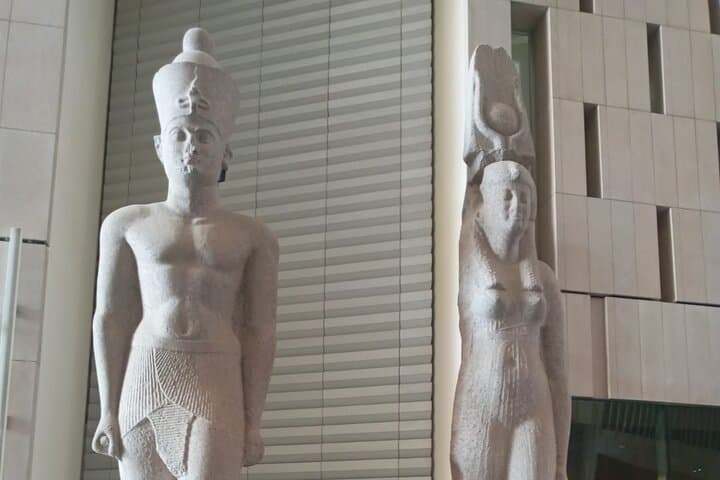
Expect guided museum tours (Tutankhamun’s treasures), a short camel ride on Giza’s plateau, and a quad-bike option across sandy flats. Days typically include two to four hours of walking across uneven stone floors and steps—not elevation so much as sustained standing in sun.
Practical edge: travel light each day, wear closed-toe walking shoes with good soles, and layer for cooler desert mornings and warmer afternoons. Plan museum visits early to avoid crowds and midday heat, carry local currency for small purchases, and respect modest dress codes in religious sites.
This tour blends big-name monuments with on-the-ground logistics to keep history vivid and the travel smooth.