THE ADVENTURE COLLECTIVE® · Independent discovery and booking for outdoor travel

Move from Phnom Penh’s riverfront and solemn memorials to Battambang’s rice plains and Siem Reap’s Angkor temples on a private seven-day route. Expect early mornings, cultural depth, and practical local tips to make the most of temples, markets and Tonle Sap’s waterways.
Move from Phnom Penh’s riverfront and solemn memorials to Battambang’s rice plains and Siem Reap’s Angkor temples on a private seven-day route. Expect early mornings, cultural depth, and practical local tips to make the most of temples, markets and Tonle Sap’s waterways.
You step off the plane into Phnom Penh where the Mekong pushes lazily past the riverfront, the city’s spires and scooters already trimming the horizon. Over seven days you move from the capital’s colonial facades and solemn memorials to rice paddies, bamboo railways and the stone forests of Angkor — a route that reveals Cambodia’s contrasts as plainly as a map’s contours.
Verified experiences and guided adventures in the surrounding area.
Operated by Private Tour Guide-Phnom Penh · Siem Reap, Siem Reap Province
You step off the plane into Phnom Penh where the Mekong pushes lazily past the riverfront, the city’s spires and scooters already trimming the horizon. Over seven days you move from the capital’s colonial facades and solemn memorials to rice paddies, bamboo railways and the stone forests of Angkor — a route that reveals Cambodia’s contrasts as plainly as a map’s contours.
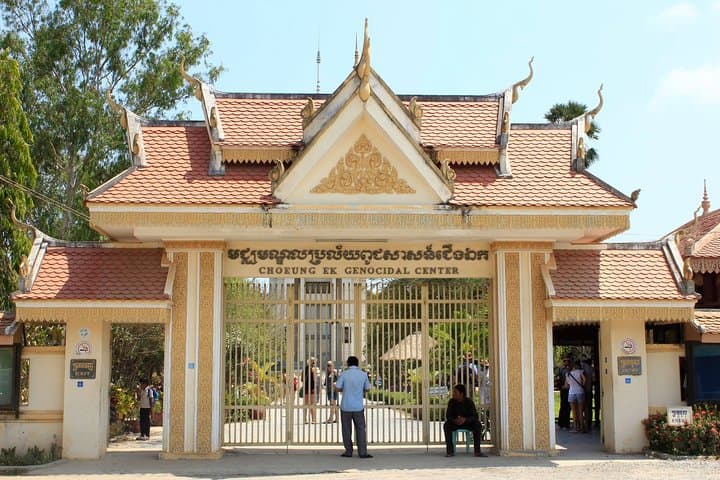
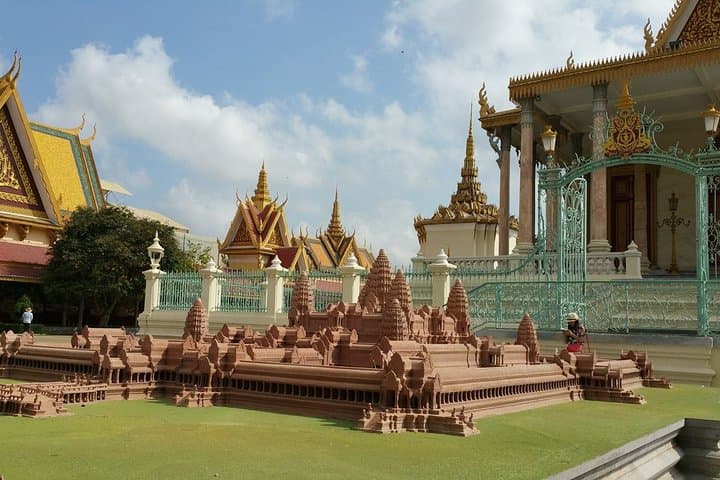
The itinerary threads modern history and deep time: Phnom Penh’s Royal Palace and the Silver Pagoda recall monarchy and French-era architecture; Tuol Sleng and the Killing Fields confront the Khmer Rouge’s recent trauma. Geologically, the low-lying Tonle Sap and Mekong floodplains supply the freshwater rhythms that shape villages like Kompong Phluk; Angkor’s temples rise from sandstone beds carved and reassembled across centuries of Khmer engineering.
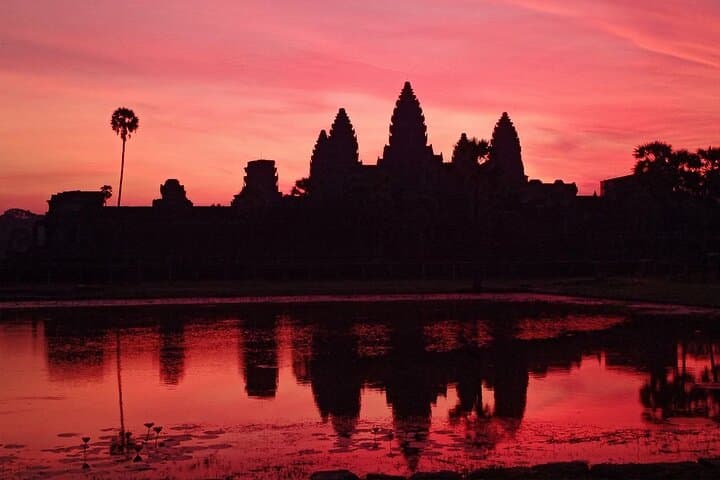
Culture is tactile here — markets that hum with bargaining, the sour-sweet tang of Khmer dishes in Battambang, and nightly bat columns emerging from Phnom Sampov. Angkor Wat, Ta Prohm and Bayon demand slow walking and a patient eye for bas-reliefs; Bakheng Hill requires a short, steep climb for sunset panoramas.
Practical notes: expect long travel days (Phnom Penh to Battambang ~4 hours by road), early starts at temples to avoid heat and crowds, and a strict temple dress code. Angkor Park requires an entry pass; bring drinking water, sun protection and comfortable shoes. Guides handle logistics, but carry modest cash for market bargaining, tips and small local fees. This private route balances history, wildlife and architecture for travelers who want depth without a rigid schedule.
easy.
7 days.
Suitable for travelers in general good health; involves light walking, some steep steps at temple sites and multi-hour transfers.
Yes—access to Angkor Archaeological Park requires an entry pass valid for 1, 3 or 7 days; your guide will advise on purchase and timing.
Expect roughly 4 hours by private vehicle from Phnom Penh to Battambang; Battambang to Siem Reap averages 3–4 hours depending on stops.
Yes—these are emotionally heavy sites; guides can accommodate visitors who prefer to skip them and offer alternative cultural stops.
US dollars are widely accepted alongside Cambodian riel; tipping guides and drivers is customary—small cash amounts are appreciated.
The route spans Cambodia’s imperial peak under the Khmer Empire (9th–13th centuries) and the recent trauma of the Khmer Rouge era—both are visible in monuments and memorials.
Angkor and Tonle Sap face pressure from tourism and development; favor guided, low-impact visits and local community-run boat operators to support sustainable tourism.
Private Tour Guide-Phnom Penh operates guided outdoor trips and adventures with an emphasis on safety, stewardship, and memorable experiences.

You step off the plane into Phnom Penh where the Mekong pushes lazily past the riverfront, the city’s spires and scooters already trimming the horizon. Over seven days you move from the capital’s colonial facades and solemn memorials to rice paddies, bamboo railways and the stone forests of Angkor — a route that reveals Cambodia’s contrasts as plainly as a map’s contours.
You step off the plane into Phnom Penh where the Mekong pushes lazily past the riverfront, the city’s spires and scooters already trimming the horizon. Over seven days you move from the capital’s colonial facades and solemn memorials to rice paddies, bamboo railways and the stone forests of Angkor — a route that reveals Cambodia’s contrasts as plainly as a map’s contours.
The itinerary threads modern history and deep time: Phnom Penh’s Royal Palace and the Silver Pagoda recall monarchy and French-era architecture; Tuol Sleng and the Killing Fields confront the Khmer Rouge’s recent trauma. Geologically, the low-lying Tonle Sap and Mekong floodplains supply the freshwater rhythms that shape villages like Kompong Phluk; Angkor’s temples rise from sandstone beds carved and reassembled across centuries of Khmer engineering.
Culture is tactile here — markets that hum with bargaining, the sour-sweet tang of Khmer dishes in Battambang, and nightly bat columns emerging from Phnom Sampov. Angkor Wat, Ta Prohm and Bayon demand slow walking and a patient eye for bas-reliefs; Bakheng Hill requires a short, steep climb for sunset panoramas.
Practical notes: expect long travel days (Phnom Penh to Battambang ~4 hours by road), early starts at temples to avoid heat and crowds, and a strict temple dress code. Angkor Park requires an entry pass; bring drinking water, sun protection and comfortable shoes. Guides handle logistics, but carry modest cash for market bargaining, tips and small local fees. This private route balances history, wildlife and architecture for travelers who want depth without a rigid schedule.