THE ADVENTURE COLLECTIVE® · Independent discovery and booking for outdoor travel

A private seven-day loop from Paro through Thimphu, Punakha and Phobjikha that pairs cultural visits to dzongs and monasteries with the classic Taktsang (Tiger’s Nest) hike. Expect highland drives, forested trails, and regulated tourism that protects Bhutan’s landscapes.
A private seven-day loop from Paro through Thimphu, Punakha and Phobjikha that pairs cultural visits to dzongs and monasteries with the classic Taktsang (Tiger’s Nest) hike. Expect highland drives, forested trails, and regulated tourism that protects Bhutan’s landscapes.
You step out of Paro’s high-altitude air and the Himalaya immediately takes the lead — peaks cut the sky, prayer flags snap like bright punctuation, and the road climbs toward pine-shadowed passes.
Verified experiences and guided adventures in the surrounding area.
Operated by Your Trip Planner · Paro, Paro District
You step out of Paro’s high-altitude air and the Himalaya immediately takes the lead — peaks cut the sky, prayer flags snap like bright punctuation, and the road climbs toward pine-shadowed passes.
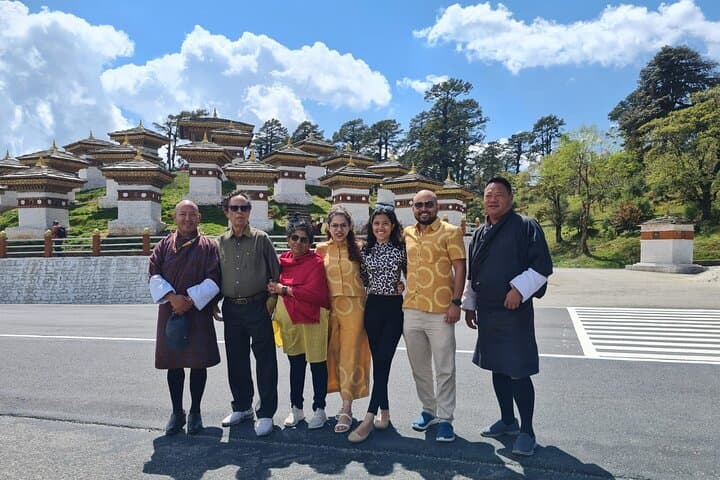
This seven-day private loop threads Bhutan’s living culture and mountain geography: Thimphu’s dzongs and handicraft bazaars, the hundred chortens at Dochula Pass, terraced fields and the Punakha River, and the broad glacial bowl of Phobjikha where black‑necked cranes winter. The signature hike is to Taktsang (Tiger’s Nest), a 5–6 hour round trip with steep switchbacks through old fir forest and roughly 600–700 m of elevation gain to a cliffside monastery founded around a sacred cave associated with Guru Rinpoche.
History here is carved into stone and timber — 17th‑century Zhabdrung architecture, fortress-monasteries (dzongs) that once governed valley life, and rituals that still mark planting, harvest and royal anniversaries. Geologically the valleys are Himalayan drainages shaped by glaciers and river confluence, creating the mix of pine, rhododendron, and alpine meadow you'll walk through.
Practically: visas and the Sustainable Development Fee (SDF) are handled by licensed operators, but carry passport copies and expect altitude shifts (Thimphu ~2,320 m; Dochula ~3,100 m; Punakha ~1,300 m). The Tiger’s Nest trek is the day’s most strenuous section — sturdy boots, layered clothing, sun protection, and 2–3 liters of water are sensible. Plan travel time between towns (1–3 hours typical), budget for occasional rain in summer, and honor monastic rules (quiet, no photography where posted). This tour balances cultural access with steady mountain walking — an immersive, paced week that privileges low‑impact travel and close views of Bhutan’s spiritual landscapes.
moderate.
7 days (6 nights).
Moderate fitness with ability to hike 3–6 hours on a couple of days and manage short steep sections; basic cardio and good knee stability recommended
Yes — most international visitors require a visa, which is typically arranged by your licensed Bhutanese tour operator as part of the booking process.
Plan on 5–6 hours roundtrip with steep switchbacks and about 600–700 m of elevation gain; a steady pace and rest breaks make it manageable for fit travellers.
Bhutan charges a per‑day Sustainable Development Fee for most visitors; your operator will advise on current rates and handle payment steps as part of your booking.
ATMs and card acceptance exist in Paro and Thimphu but can be limited in Punakha and Phobjikha, so carry some Ngultrum or USD for remote areas and small purchases.
Modern Bhutanic state structures and many dzongs date to the 17th century under Zhabdrung Ngawang Namgyal; monasteries remain central to community life.
Bhutan’s regulated tourism model and the SDF fund support conservation and infrastructure; practice low‑impact travel and follow local guidance to protect fragile alpine and wetland habitats.
Your Trip Planner operates guided outdoor trips and adventures with an emphasis on safety, stewardship, and memorable experiences.
You step out of Paro’s high-altitude air and the Himalaya immediately takes the lead — peaks cut the sky, prayer flags snap like bright punctuation, and the road climbs toward pine-shadowed passes.
You step out of Paro’s high-altitude air and the Himalaya immediately takes the lead — peaks cut the sky, prayer flags snap like bright punctuation, and the road climbs toward pine-shadowed passes.
This seven-day private loop threads Bhutan’s living culture and mountain geography: Thimphu’s dzongs and handicraft bazaars, the hundred chortens at Dochula Pass, terraced fields and the Punakha River, and the broad glacial bowl of Phobjikha where black‑necked cranes winter. The signature hike is to Taktsang (Tiger’s Nest), a 5–6 hour round trip with steep switchbacks through old fir forest and roughly 600–700 m of elevation gain to a cliffside monastery founded around a sacred cave associated with Guru Rinpoche.
History here is carved into stone and timber — 17th‑century Zhabdrung architecture, fortress-monasteries (dzongs) that once governed valley life, and rituals that still mark planting, harvest and royal anniversaries. Geologically the valleys are Himalayan drainages shaped by glaciers and river confluence, creating the mix of pine, rhododendron, and alpine meadow you'll walk through.
Practically: visas and the Sustainable Development Fee (SDF) are handled by licensed operators, but carry passport copies and expect altitude shifts (Thimphu ~2,320 m; Dochula ~3,100 m; Punakha ~1,300 m). The Tiger’s Nest trek is the day’s most strenuous section — sturdy boots, layered clothing, sun protection, and 2–3 liters of water are sensible. Plan travel time between towns (1–3 hours typical), budget for occasional rain in summer, and honor monastic rules (quiet, no photography where posted). This tour balances cultural access with steady mountain walking — an immersive, paced week that privileges low‑impact travel and close views of Bhutan’s spiritual landscapes.