THE ADVENTURE COLLECTIVE® · Independent discovery and booking for outdoor travel

A compact seven-day private circuit through Algeria’s best-known cultural sites: Algiers’ Casbah, Constantine’s bridges, and the Roman masterpieces at Djemila and Timgad. This guide outlines what to expect, how to prepare, and the practical logistics for a multi-city historical tour.
A compact seven-day private circuit through Algeria’s best-known cultural sites: Algiers’ Casbah, Constantine’s bridges, and the Roman masterpieces at Djemila and Timgad. This guide outlines what to expect, how to prepare, and the practical logistics for a multi-city historical tour.
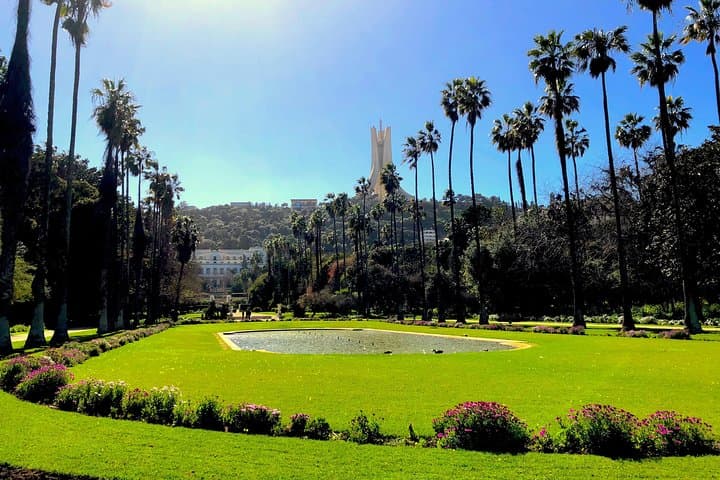
Morning light washes the white facades of Algiers as travelers step from the car and into a city that has always looked outward — to the sea, to empires, to the road that leads east. Over seven days the route tightens into a coherent arc: capital boulevards and the Casbah’s alleys, then eastward by air and road to Constantine’s cliffside bridges, and further into two of North Africa’s best-preserved Roman cities, Djemila and Timgad, before returning west to the littoral ruins of Tipasa.
Verified experiences and guided adventures in the surrounding area.
Operated by Fancyellow · Algiers, Algiers Province
Morning light washes the white facades of Algiers as travelers step from the car and into a city that has always looked outward — to the sea, to empires, to the road that leads east. Over seven days the route tightens into a coherent arc: capital boulevards and the Casbah’s alleys, then eastward by air and road to Constantine’s cliffside bridges, and further into two of North Africa’s best-preserved Roman cities, Djemila and Timgad, before returning west to the littoral ruins of Tipasa.
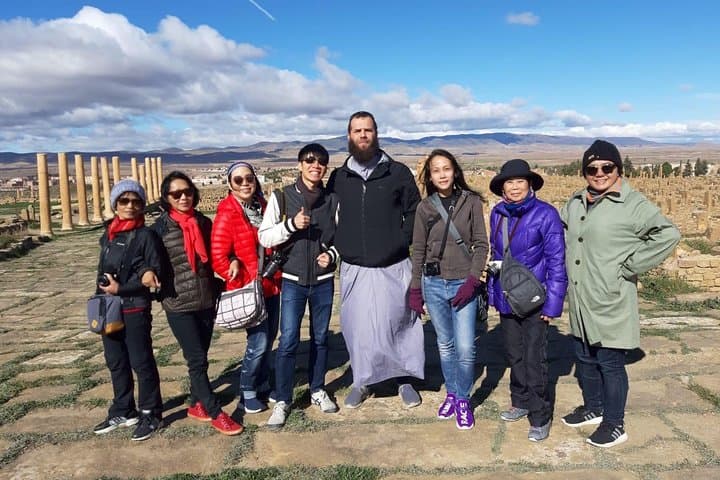
This itinerary moves through layers of history: Ottoman mosques and French-colonial postal halls in Algiers; Ahmed Bey’s palace and suspension bridges in Constantine; Trajan-era grid plans and forums at Timgad; late-Roman mosaics and theaters at Djemila. Geology defines much of the experience — gorges that cleave Constantine, limestone plateaus that hold Roman ruins, and a Mediterranean shoreline that guided ancient ports and modern towns.
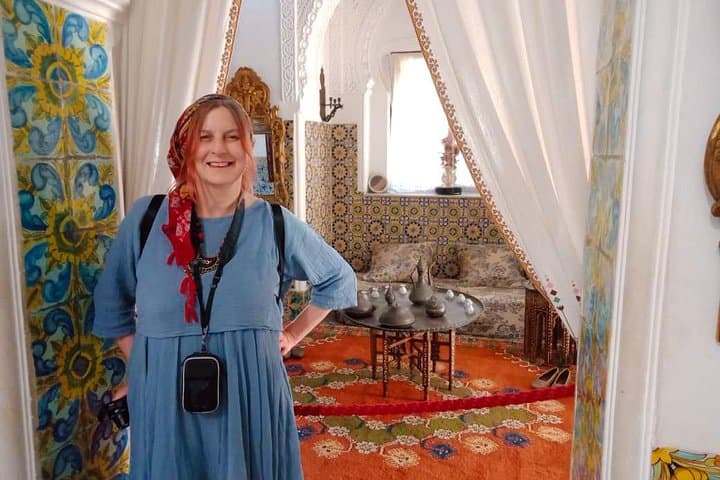
Culturally the trip highlights local markets, mosque courtyards and museum collections that trace Berber, Roman, Punic and Islamic threads. Guides translate stones into stories and contemporary life into context.
Practical guidance: this is a walk-heavy private tour with internal flights and several multi-hour drives; pack sturdy walking shoes, sun protection and a daypack. Visas and passport details require advance arrangement; hotels are overnighted in Algiers and Constantine. Expect warm summers and cool, windy days on coastal ruins — plan layers and a flexible pace. Bring local currency for markets, support licensed guides, and give archaeological sites space by staying on official paths.
moderate.
7 days.
Moderate fitness required — able to walk several hours a day on uneven ground and climb stairs.
Many nationalities require a tourist visa for Algeria — secure visas well in advance and confirm specific requirements with the operator when booking.
Expect several hours of walking daily through museums, ruins and urban districts; the tour notes a moderate fitness level and several stair climbs in Constantine.
Local flights between Algiers and Constantine are arranged as part of the itinerary but may be replaced by road transfers if flights are unavailable.
Yes — this is a private trip designed to be tailored within the seven-day framework; discuss pacing, meal preferences and accessibility needs when booking.
Timgad and Djemila are UNESCO-listed examples of Roman urban planning and architecture in North Africa, founded and expanded during the early Imperial period.
These archaeological sites are fragile — stick to marked paths, follow guide directions and avoid touching mosaics; supporting local conservation fees helps preserve them.
Fancyellow operates guided outdoor trips and adventures with an emphasis on safety, stewardship, and memorable experiences.
Morning light washes the white facades of Algiers as travelers step from the car and into a city that has always looked outward — to the sea, to empires, to the road that leads east. Over seven days the route tightens into a coherent arc: capital boulevards and the Casbah’s alleys, then eastward by air and road to Constantine’s cliffside bridges, and further into two of North Africa’s best-preserved Roman cities, Djemila and Timgad, before returning west to the littoral ruins of Tipasa.
Morning light washes the white facades of Algiers as travelers step from the car and into a city that has always looked outward — to the sea, to empires, to the road that leads east. Over seven days the route tightens into a coherent arc: capital boulevards and the Casbah’s alleys, then eastward by air and road to Constantine’s cliffside bridges, and further into two of North Africa’s best-preserved Roman cities, Djemila and Timgad, before returning west to the littoral ruins of Tipasa.
This itinerary moves through layers of history: Ottoman mosques and French-colonial postal halls in Algiers; Ahmed Bey’s palace and suspension bridges in Constantine; Trajan-era grid plans and forums at Timgad; late-Roman mosaics and theaters at Djemila. Geology defines much of the experience — gorges that cleave Constantine, limestone plateaus that hold Roman ruins, and a Mediterranean shoreline that guided ancient ports and modern towns.
Culturally the trip highlights local markets, mosque courtyards and museum collections that trace Berber, Roman, Punic and Islamic threads. Guides translate stones into stories and contemporary life into context.
Practical guidance: this is a walk-heavy private tour with internal flights and several multi-hour drives; pack sturdy walking shoes, sun protection and a daypack. Visas and passport details require advance arrangement; hotels are overnighted in Algiers and Constantine. Expect warm summers and cool, windy days on coastal ruins — plan layers and a flexible pace. Bring local currency for markets, support licensed guides, and give archaeological sites space by staying on official paths.