THE ADVENTURE COLLECTIVE® · Independent discovery and booking for outdoor travel

This seven-day loop links Prague, Bratislava and Budapest by coach, pairing efficient transfers with guided walks of major squares, bridges and hilltop views. Ideal for travelers who want a compact survey of Central Europe’s capitals with a balance of structure and free time.
This seven-day loop links Prague, Bratislava and Budapest by coach, pairing efficient transfers with guided walks of major squares, bridges and hilltop views. Ideal for travelers who want a compact survey of Central Europe’s capitals with a balance of structure and free time.
You step off the coach into a gray-washed morning in Prague, the Vltava daring you toward the Charles Bridge as street vendors set out their wares. Over seven days the bus becomes a steady companion: windows framing cathedral spires, river bends and low hills while guides stitch together the region’s chapters.
Verified experiences and guided adventures in the surrounding area.
Operated by REMAZ TOURS GmbH · Prague, Prague
You step off the coach into a gray-washed morning in Prague, the Vltava daring you toward the Charles Bridge as street vendors set out their wares. Over seven days the bus becomes a steady companion: windows framing cathedral spires, river bends and low hills while guides stitch together the region’s chapters.
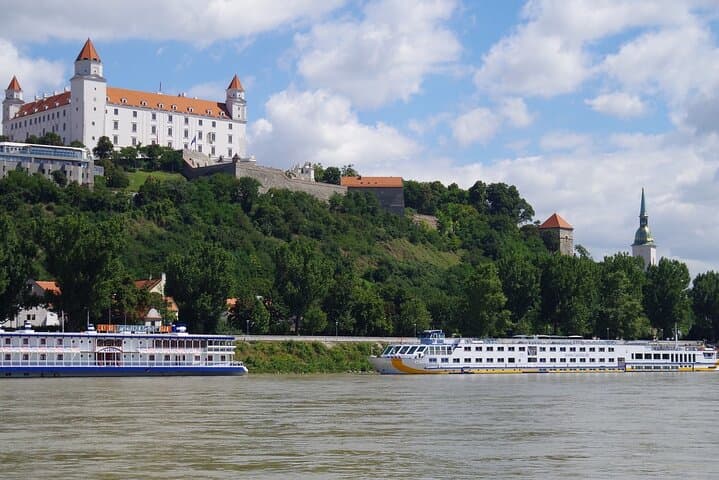
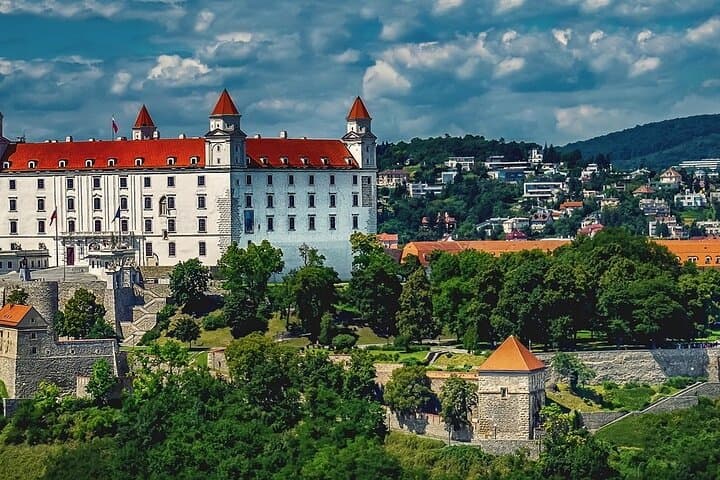
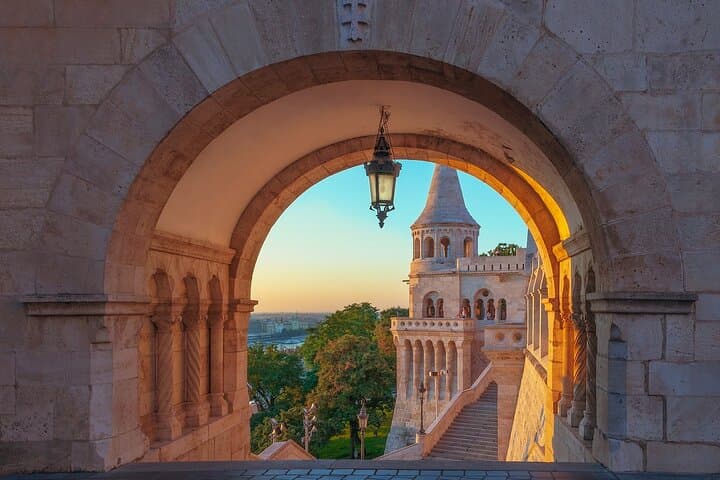
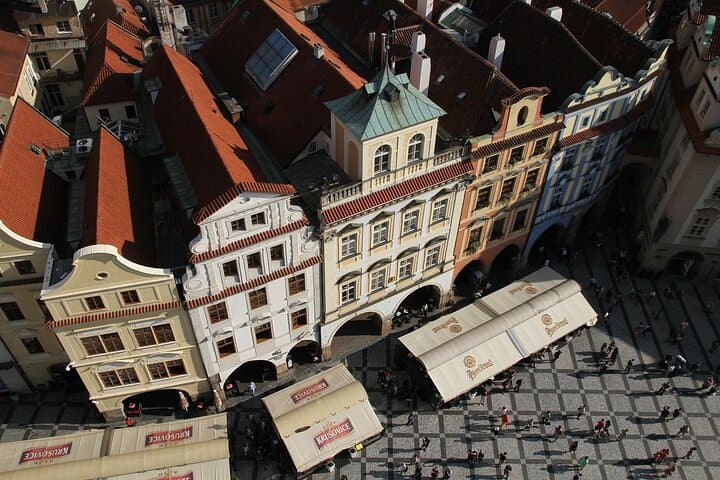
This route threads three central European capitals shaped by medieval trade routes and Habsburg-era ambition. Prague’s stone lanes and Gothic towers recall Bohemia’s medieval courts; Bratislava’s compact Old Town and hilltop castle speak to frontier empire and later Czech-Slovak shifts; Budapest spreads along the Danube, showing Ottoman baths, grand boulevards and a 19th-century boom when the city donned its grand facades.
Geology matters here: the Vltava and Danube carved trade corridors and islands that define city form and ferry crossings. Cultural life centers on public squares, thermal baths in Budapest, and slow café rituals in Bratislava. Expect brisk, walkable days with short bus transfers—history and architecture are the point, not wilderness.
Practical guidance: pack comfortable walking shoes and a light daypack, carry local currency for small purchases (CZK in Prague, EUR in Bratislava, HUF in Budapest), and keep passport and travel insurance handy for border formalities. Mornings are best for major squares and bridges before tour groups swell; afternoons are ideal for optional excursions like Karlovy Vary or a Danube river walk. Bring a reusable water bottle, adapt layers for spring or fall chill, and reserve time for a thermal bath in Budapest to unwind after full sightseeing days.
easy.
7 days.
General mobility and the ability to walk 3–6 miles across cobbled streets and stairs each day; not strenuous.
Visa requirements depend on your nationality; EU citizens generally travel freely while others should check Schengen and individual country rules before booking.
Each city includes guided highlights plus free afternoons for optional excursions or independent exploration; check the daily itinerary for specifics.
Breakfast is included for six mornings; select entrance fees are noted as included but optional activities may require extra payment.
Guides provide assistance in English as noted, and local staff may offer multilingual help depending on the group.
These capitals share centuries of Central European history under medieval kingdoms and Habsburg rule, with 19th-century urban growth shaping much of today's grand architecture.
Tourism concentrates on historic cores—stick to marked paths, support local businesses, and reduce single-use plastics to limit impact on rivers and old-quarter infrastructure.
REMAZ TOURS GmbH operates guided outdoor trips and adventures with an emphasis on safety, stewardship, and memorable experiences.
You step off the coach into a gray-washed morning in Prague, the Vltava daring you toward the Charles Bridge as street vendors set out their wares. Over seven days the bus becomes a steady companion: windows framing cathedral spires, river bends and low hills while guides stitch together the region’s chapters.
You step off the coach into a gray-washed morning in Prague, the Vltava daring you toward the Charles Bridge as street vendors set out their wares. Over seven days the bus becomes a steady companion: windows framing cathedral spires, river bends and low hills while guides stitch together the region’s chapters.
This route threads three central European capitals shaped by medieval trade routes and Habsburg-era ambition. Prague’s stone lanes and Gothic towers recall Bohemia’s medieval courts; Bratislava’s compact Old Town and hilltop castle speak to frontier empire and later Czech-Slovak shifts; Budapest spreads along the Danube, showing Ottoman baths, grand boulevards and a 19th-century boom when the city donned its grand facades.
Geology matters here: the Vltava and Danube carved trade corridors and islands that define city form and ferry crossings. Cultural life centers on public squares, thermal baths in Budapest, and slow café rituals in Bratislava. Expect brisk, walkable days with short bus transfers—history and architecture are the point, not wilderness.
Practical guidance: pack comfortable walking shoes and a light daypack, carry local currency for small purchases (CZK in Prague, EUR in Bratislava, HUF in Budapest), and keep passport and travel insurance handy for border formalities. Mornings are best for major squares and bridges before tour groups swell; afternoons are ideal for optional excursions like Karlovy Vary or a Danube river walk. Bring a reusable water bottle, adapt layers for spring or fall chill, and reserve time for a thermal bath in Budapest to unwind after full sightseeing days.