THE ADVENTURE COLLECTIVE® · Independent discovery and booking for outdoor travel

Seven days that move from Phnom Penh’s royal avenues and dark modern history to the dawn-lit towers of Angkor, with a Tonle Sap boat ride and a wildlife sanctuary visit. This practical guide explains what to expect, when to go, and how to prepare.
Seven days that move from Phnom Penh’s royal avenues and dark modern history to the dawn-lit towers of Angkor, with a Tonle Sap boat ride and a wildlife sanctuary visit. This practical guide explains what to expect, when to go, and how to prepare.
You arrive in Phnom Penh at dawn, the Mekong pushing a humid breath into the city as tuk‑tuks begin their rattle. Streets open into the Royal Palace’s red roofs and the procession of colonial avenues, then the program moves north—through lowland rice paddies and roadside stilt houses—toward the limestone silhouette of Angkor’s towers.
Verified experiences and guided adventures in the surrounding area.
Operated by Asia Travel Links · Siem Reap, Siem Reap Province
You arrive in Phnom Penh at dawn, the Mekong pushing a humid breath into the city as tuk‑tuks begin their rattle. Streets open into the Royal Palace’s red roofs and the procession of colonial avenues, then the program moves north—through lowland rice paddies and roadside stilt houses—toward the limestone silhouette of Angkor’s towers.
This seven‑day loop pairs Phnom Penh’s modern‑era history and royal architecture with the deep time of the Khmer Empire: Angkor Wat’s 12th‑century concentric galleries built under King Suryavarman II, the jungle‑entangled ruins of Ta Prohm, and the sculpted faces of Bayon at Angkor Thom. Tonle Sap, Asia’s largest freshwater lake, underpins local livelihoods—floating markets and villages adapt to seasonal swell. Outside Phnom Penh, Phnom Tamao Wildlife Rescue Centre offers hands‑on conservation experiences with rescued sun bears and other species.
Expect long cultural days with moderate walking on uneven sandstone, narrow temple stairs, and short boat rides across calm waterways. Guides typically handle entrance logistics and transfers via air‑conditioned vehicle; many temple sites require modest clothing and sun protection. Pack quick‑dry layers, good walking shoes, and a waterproof day bag for boat sections. Plan to schedule Angkor days early (sunrise for Angkor Wat) and leave mid‑afternoon for heat and light. The trip balances history and nature—leave room in your itinerary to watch life on Tonle Sap and to absorb the quieter corners of small village temples.
moderate.
7 days.
Light to moderate fitness — daily walking on uneven temple steps and short boat transfers; comfortable for most travelers who can handle multiple full days of sightseeing.
Entrance fees are usually included as noted in the itinerary; confirm that your package specifies the Angkor pass and the days it covers.
Expect several hours of walking broken into short site visits—sandstone steps and uneven surfaces are common, but distances between major temples are typically covered by vehicle transfers.
Boat rides are generally safe with life jackets provided; levels and conditions vary seasonally, so inquire about boat size and safety equipment for young children.
Visitors can take supervised behind‑the‑scenes conservation activities at Phnom Tamao; direct contact with rescued wild animals is restricted, but hands‑on enrichment tasks are common.
The Angkor complexes were built and expanded by successive Khmer kings between the 9th and 13th centuries; Angkor Wat itself was constructed in the early 12th century by Suryavarman II.
Tonle Sap’s fisheries and wetlands face pressure from overfishing and deforestation; visiting responsibly—including supporting local guides and conservation centers—helps sustain livelihoods and habitats.
Asia Travel Links operates guided outdoor trips and adventures with an emphasis on safety, stewardship, and memorable experiences.
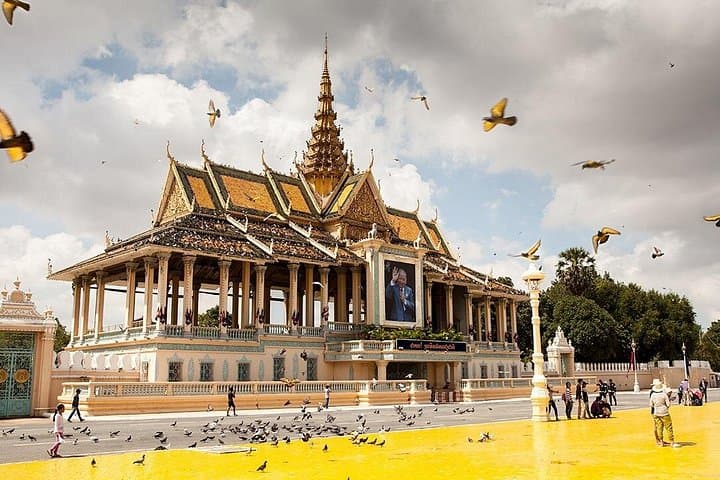
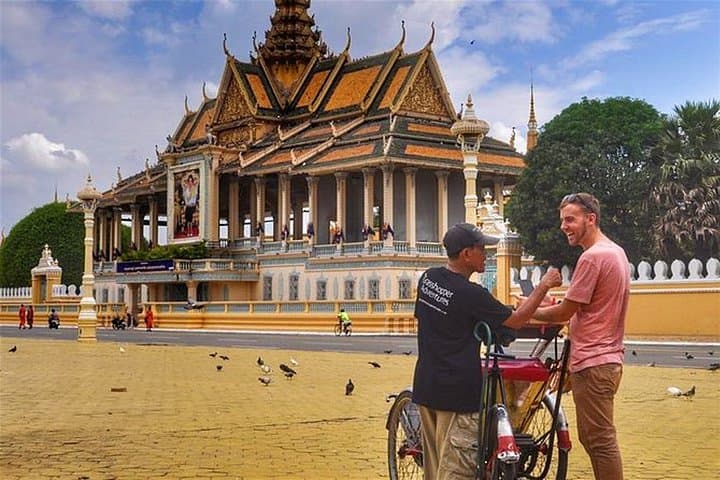
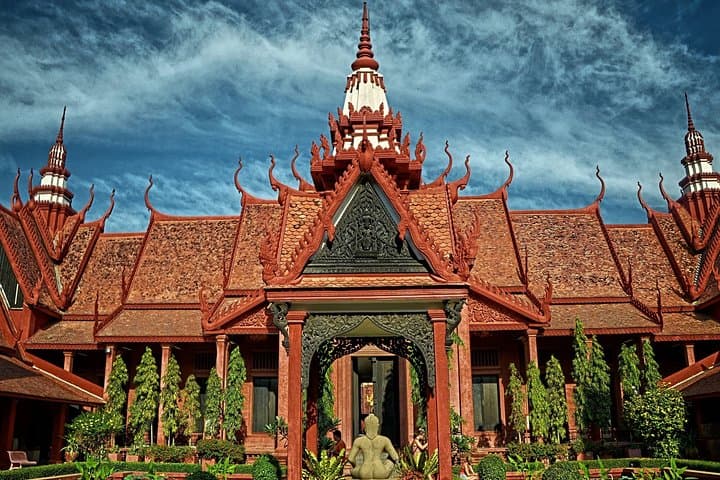
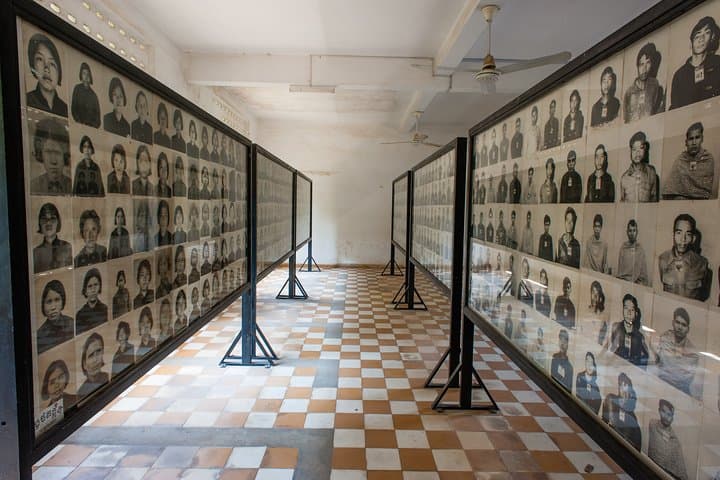
You arrive in Phnom Penh at dawn, the Mekong pushing a humid breath into the city as tuk‑tuks begin their rattle. Streets open into the Royal Palace’s red roofs and the procession of colonial avenues, then the program moves north—through lowland rice paddies and roadside stilt houses—toward the limestone silhouette of Angkor’s towers.
You arrive in Phnom Penh at dawn, the Mekong pushing a humid breath into the city as tuk‑tuks begin their rattle. Streets open into the Royal Palace’s red roofs and the procession of colonial avenues, then the program moves north—through lowland rice paddies and roadside stilt houses—toward the limestone silhouette of Angkor’s towers.
This seven‑day loop pairs Phnom Penh’s modern‑era history and royal architecture with the deep time of the Khmer Empire: Angkor Wat’s 12th‑century concentric galleries built under King Suryavarman II, the jungle‑entangled ruins of Ta Prohm, and the sculpted faces of Bayon at Angkor Thom. Tonle Sap, Asia’s largest freshwater lake, underpins local livelihoods—floating markets and villages adapt to seasonal swell. Outside Phnom Penh, Phnom Tamao Wildlife Rescue Centre offers hands‑on conservation experiences with rescued sun bears and other species.
Expect long cultural days with moderate walking on uneven sandstone, narrow temple stairs, and short boat rides across calm waterways. Guides typically handle entrance logistics and transfers via air‑conditioned vehicle; many temple sites require modest clothing and sun protection. Pack quick‑dry layers, good walking shoes, and a waterproof day bag for boat sections. Plan to schedule Angkor days early (sunrise for Angkor Wat) and leave mid‑afternoon for heat and light. The trip balances history and nature—leave room in your itinerary to watch life on Tonle Sap and to absorb the quieter corners of small village temples.