THE ADVENTURE COLLECTIVE® · Independent discovery and booking for outdoor travel

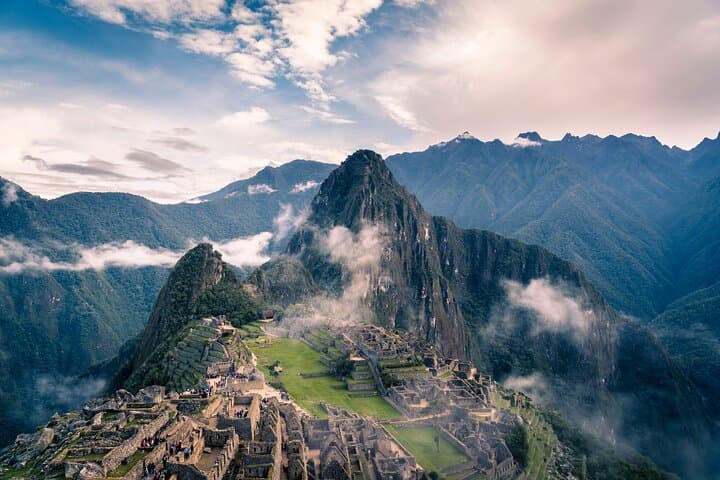
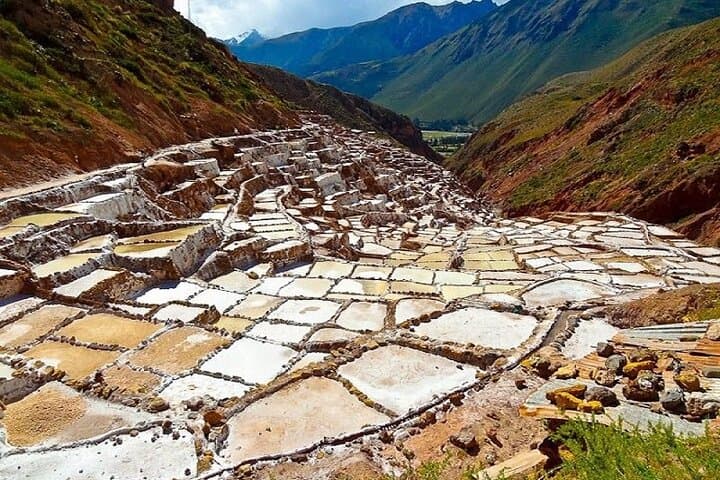
A compact seven-day journey from Lima’s Pacific shore to the high Andean citadel of Machu Picchu. Expect colonial plazas, Inca terraces, salt pans, and timed entry to the sanctuary with guided context and time for independent exploration.
A compact seven-day journey from Lima’s Pacific shore to the high Andean citadel of Machu Picchu. Expect colonial plazas, Inca terraces, salt pans, and timed entry to the sanctuary with guided context and time for independent exploration.
You step off the plane into Lima’s salt-tinged air, move through Pacific breezes in Miraflores, then two days later find yourself walking cobbled alleys in Cusco where the city’s stonework presses history into the soles of your shoes.
Verified experiences and guided adventures in the surrounding area.
Operated by Peruvian Sunrise · Cusco, Cusco Region
You step off the plane into Lima’s salt-tinged air, move through Pacific breezes in Miraflores, then two days later find yourself walking cobbled alleys in Cusco where the city’s stonework presses history into the soles of your shoes.
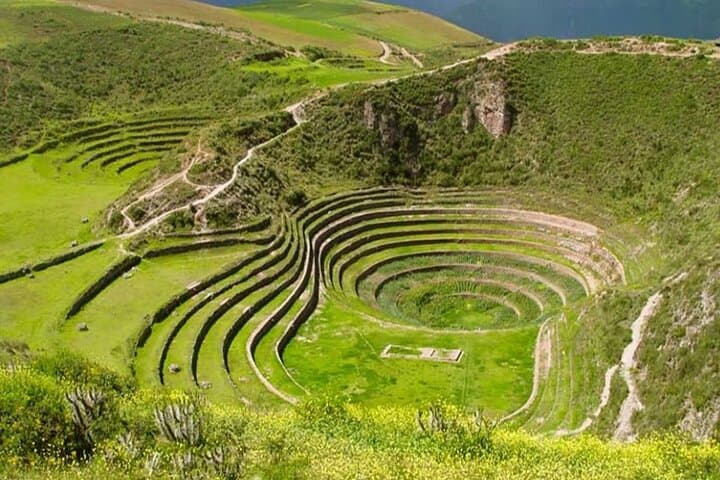
This seven-day route stitches together coastal colonial Lima, the highland capital of Cusco, the agricultural laboratories of Moray, the stepped salt pans of Maras, and the mountain-locked citadel of Machu Picchu. Geologically, the itinerary crosses from coastal plains to the Andean orogenic belt; terraces and sinkholes at Moray reveal deliberate microclimates engineered by the Incas, while the Urubamba River has carved the valley that cradles Ollantaytambo and Aguas Calientes.
Culturally the trip moves through living Quechua traditions, Spanish colonial plazas, and Inca engineering that resisted conquest. Guides typically emphasize local history—agricultural innovation, ritual spaces, and the strategic importance of highland settlements—and point out contemporary conservation efforts around Machu Picchu’s visitor management.
Practically, expect moderate walking at altitude, hotel transfers, train segments to Aguas Calientes, and timed entry to the sanctuary. Mornings are best for softer light and smaller crowds at ruins; afternoons suit village markets and salt pans. Hydrate before flights to Cusco, move slowly the first 24–48 hours to acclimatize, and pack layered clothing for sharp temperature swings between valleys and mountain saddles.
The itinerary balances guided context with free time to explore plazas and terraces—ideal for travelers seeking a compact, culturally rich Andean experience with manageable logistics.
moderate.
7 days.
Moderate cardio fitness; able to walk 2–4 hours on uneven terrain and manage short stair sections at altitude
Yes—Cusco sits around 3,400m; allow a rest day, hydrate, eat light, and consider acetazolamide if advised by your physician.
This itinerary includes admission to the sites specified; confirm which ticket category (sanctuary, mountain hikes) is provided when you book.
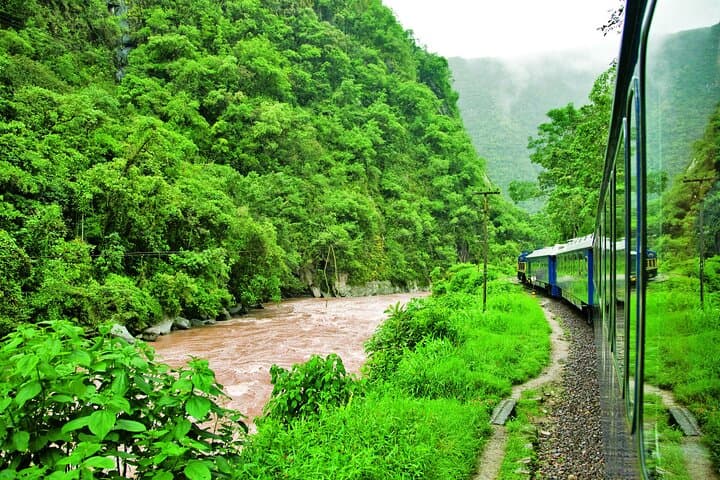
Trains run along the Urubamba River through steep valley walls; expect 1.5–3 hour travel depending on departure and service class.
Families can join, but children should be comfortable with long transfers, active days, and high-altitude conditions; some operators set age minimums for certain segments.
The Sacred Valley’s towns and terraces were integral to Inca state agriculture and ceremonial life; many ruins remained intact due to limited Spanish occupation in highland enclaves.
Machu Picchu has visitor caps and timed entries to reduce erosion; visitors should stick to marked paths and limit single-use plastics.
Peruvian Sunrise operates guided outdoor trips and adventures with an emphasis on safety, stewardship, and memorable experiences.
You step off the plane into Lima’s salt-tinged air, move through Pacific breezes in Miraflores, then two days later find yourself walking cobbled alleys in Cusco where the city’s stonework presses history into the soles of your shoes.
You step off the plane into Lima’s salt-tinged air, move through Pacific breezes in Miraflores, then two days later find yourself walking cobbled alleys in Cusco where the city’s stonework presses history into the soles of your shoes.
This seven-day route stitches together coastal colonial Lima, the highland capital of Cusco, the agricultural laboratories of Moray, the stepped salt pans of Maras, and the mountain-locked citadel of Machu Picchu. Geologically, the itinerary crosses from coastal plains to the Andean orogenic belt; terraces and sinkholes at Moray reveal deliberate microclimates engineered by the Incas, while the Urubamba River has carved the valley that cradles Ollantaytambo and Aguas Calientes.
Culturally the trip moves through living Quechua traditions, Spanish colonial plazas, and Inca engineering that resisted conquest. Guides typically emphasize local history—agricultural innovation, ritual spaces, and the strategic importance of highland settlements—and point out contemporary conservation efforts around Machu Picchu’s visitor management.
Practically, expect moderate walking at altitude, hotel transfers, train segments to Aguas Calientes, and timed entry to the sanctuary. Mornings are best for softer light and smaller crowds at ruins; afternoons suit village markets and salt pans. Hydrate before flights to Cusco, move slowly the first 24–48 hours to acclimatize, and pack layered clothing for sharp temperature swings between valleys and mountain saddles.
The itinerary balances guided context with free time to explore plazas and terraces—ideal for travelers seeking a compact, culturally rich Andean experience with manageable logistics.