THE ADVENTURE COLLECTIVE® · Independent discovery and booking for outdoor travel

Seven days on Pemba combine world-class snorkeling at Misali, walks in the biodiverse Ngezi Forest Reserve and intimate cultural visits to spice farms and coastal villages. This private, half-board itinerary balances marine adventures with community-led experiences.
Seven days on Pemba combine world-class snorkeling at Misali, walks in the biodiverse Ngezi Forest Reserve and intimate cultural visits to spice farms and coastal villages. This private, half-board itinerary balances marine adventures with community-led experiences.
The dhow slips away from a quiet jetty and Pemba’s west coast opens like a living map—turquoise channels, white coral shallows and a fringe of green that climbs into Ngezi Forest’s canopy. On arrival at Pemba Paradise the air carries clove-scented breeze and the promise of low-key exploration: village markets, spice gardens, and coral reefs that rank among East Africa’s best for snorkeling.
Verified experiences and guided adventures in the surrounding area.
Operated by Green Zanzibar Tours & Safari Company Limited · Chake-Chake, Zanzibar
The dhow slips away from a quiet jetty and Pemba’s west coast opens like a living map—turquoise channels, white coral shallows and a fringe of green that climbs into Ngezi Forest’s canopy. On arrival at Pemba Paradise the air carries clove-scented breeze and the promise of low-key exploration: village markets, spice gardens, and coral reefs that rank among East Africa’s best for snorkeling.
Pemba’s story is visible in the landscape: uplifted coral terraces, mangrove-lined bays and a volcanic-tectonic base that gives the island its sheltered channels. Chake Chake’s market, active since the early 20th century, frames contemporary island life—Swahili trade, artisanal fishing and spice cultivation that fed global routes for cloves and cardamom.
Days alternate between salt and shade: guided walks through Ngezi Forest to find the endemic Pemba Flying Fox and red colobus cousins, then boat trips to Misali Coral Gardens and the powder-white Vumawimbi sandbank for snorkeling among reef fish and healthy corals. Cultural visits bring hands-on cooking, school visits in Ole Village and an oil distillery tour at Wawi—small encounters that explain how livelihood, ecology and tradition interlock here.
Practically, expect simple, comfortable accommodations on a half-board plan, short boat transfers (1–2 hours for some crossings), and light guided walks rather than technical hikes. Bring reef-safe sunscreen, a lightweight daypack, and a basic snorkel setup if you prefer your own gear. Travel in the drier months for calmer seas, and allow a day to move slowly—Pemba rewards those who trade haste for observation.
easy.
7 days.
Suitable for travelers in basic fitness: able to board small boats, walk 30–90 minutes on uneven forest trails, and stand during cultural activities.
No—guided snorkeling trips accommodate a range of abilities, but basic swimming comfort and a mask/snorkel are recommended; flotation aids are usually available.
Yes—this itinerary is rated easy and suitable for most ages, though boat transfers and forest paths require basic mobility; check with the operator about specific needs.
Standard travel vaccines for Tanzania are recommended; bring malaria prophylaxis and practice mosquito bite prevention—consult your physician before travel.
Many hotels provide Wi‑Fi and power, but expect intermittent connectivity in remote areas and carry charging banks for excursions.
Pemba’s economy grew around spices—particularly cloves—linked historically to Indian Ocean trade routes, and many towns reflect a layered Swahili and colonial past.
Much of Pemba’s west coast is part of the Pemba Channel Conservation Area; visitors are encouraged to use reef-safe products and support community-led conservation projects.
Green Zanzibar Tours & Safari Company Limited operates guided outdoor trips and adventures with an emphasis on safety, stewardship, and memorable experiences.
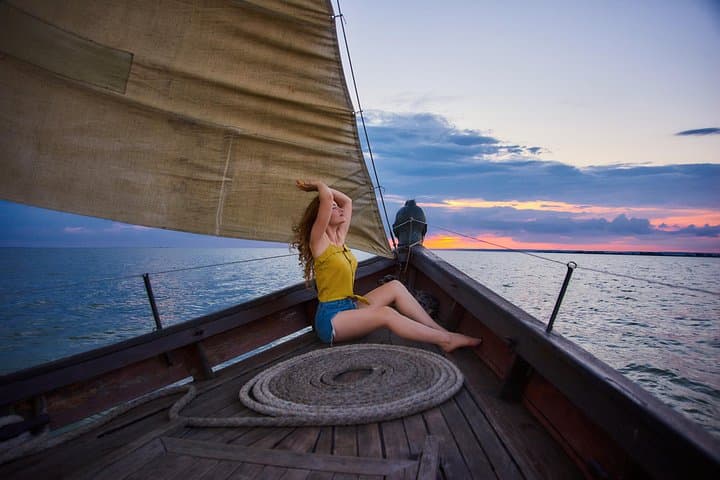
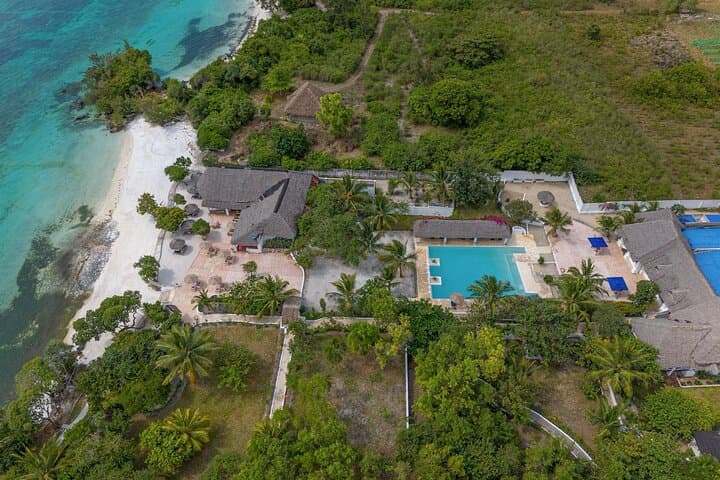
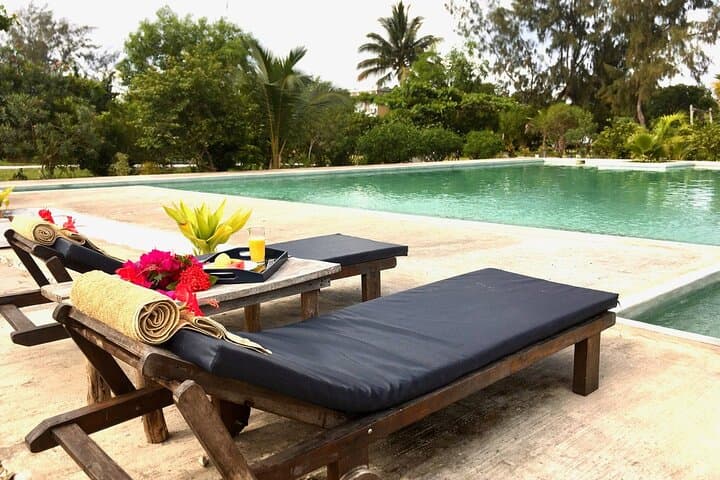
The dhow slips away from a quiet jetty and Pemba’s west coast opens like a living map—turquoise channels, white coral shallows and a fringe of green that climbs into Ngezi Forest’s canopy. On arrival at Pemba Paradise the air carries clove-scented breeze and the promise of low-key exploration: village markets, spice gardens, and coral reefs that rank among East Africa’s best for snorkeling.
The dhow slips away from a quiet jetty and Pemba’s west coast opens like a living map—turquoise channels, white coral shallows and a fringe of green that climbs into Ngezi Forest’s canopy. On arrival at Pemba Paradise the air carries clove-scented breeze and the promise of low-key exploration: village markets, spice gardens, and coral reefs that rank among East Africa’s best for snorkeling.
Pemba’s story is visible in the landscape: uplifted coral terraces, mangrove-lined bays and a volcanic-tectonic base that gives the island its sheltered channels. Chake Chake’s market, active since the early 20th century, frames contemporary island life—Swahili trade, artisanal fishing and spice cultivation that fed global routes for cloves and cardamom.
Days alternate between salt and shade: guided walks through Ngezi Forest to find the endemic Pemba Flying Fox and red colobus cousins, then boat trips to Misali Coral Gardens and the powder-white Vumawimbi sandbank for snorkeling among reef fish and healthy corals. Cultural visits bring hands-on cooking, school visits in Ole Village and an oil distillery tour at Wawi—small encounters that explain how livelihood, ecology and tradition interlock here.
Practically, expect simple, comfortable accommodations on a half-board plan, short boat transfers (1–2 hours for some crossings), and light guided walks rather than technical hikes. Bring reef-safe sunscreen, a lightweight daypack, and a basic snorkel setup if you prefer your own gear. Travel in the drier months for calmer seas, and allow a day to move slowly—Pemba rewards those who trade haste for observation.