THE ADVENTURE COLLECTIVE® · Independent discovery and booking for outdoor travel

A seven-day private circuit through the Peloponnese that pairs ancient citadels, Byzantine hill towns and coastal castles with boutique hotels and regional cuisine. Ideal for travelers who want guided, comfortable access to Mycenae, Epidaurus, Monemvasia, Mani and Ancient Olympia.
A seven-day private circuit through the Peloponnese that pairs ancient citadels, Byzantine hill towns and coastal castles with boutique hotels and regional cuisine. Ideal for travelers who want guided, comfortable access to Mycenae, Epidaurus, Monemvasia, Mani and Ancient Olympia.
Morning light slides across olive groves and limestone ridges as a Mercedes minivan winds south from Athens—sea windows on one side, jagged Mani towers on the other. Over seven days the Peloponnese reveals itself as a landscape of fortified rocks, ruined temples and blue bays where villages still grind olive oil the old way.
Verified experiences and guided adventures in the surrounding area.
Operated by WARMPENGUIN · Nafplio, Peloponnese
Morning light slides across olive groves and limestone ridges as a Mercedes minivan winds south from Athens—sea windows on one side, jagged Mani towers on the other. Over seven days the Peloponnese reveals itself as a landscape of fortified rocks, ruined temples and blue bays where villages still grind olive oil the old way.
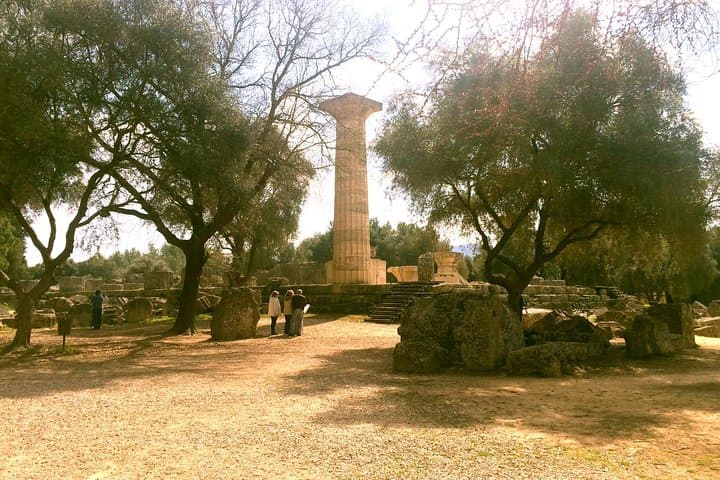
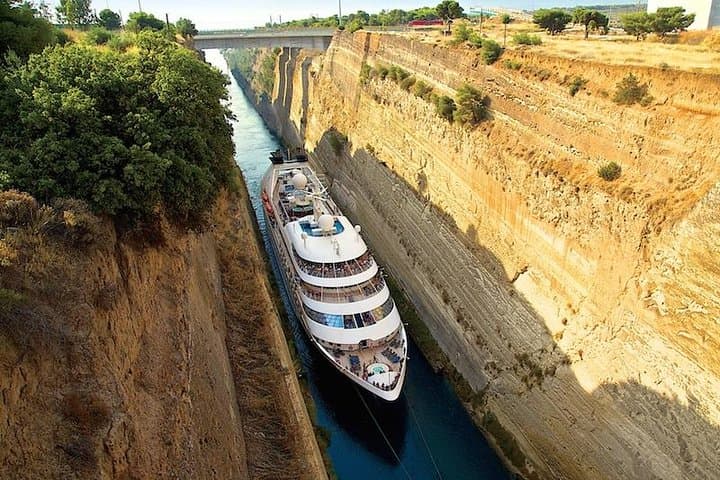
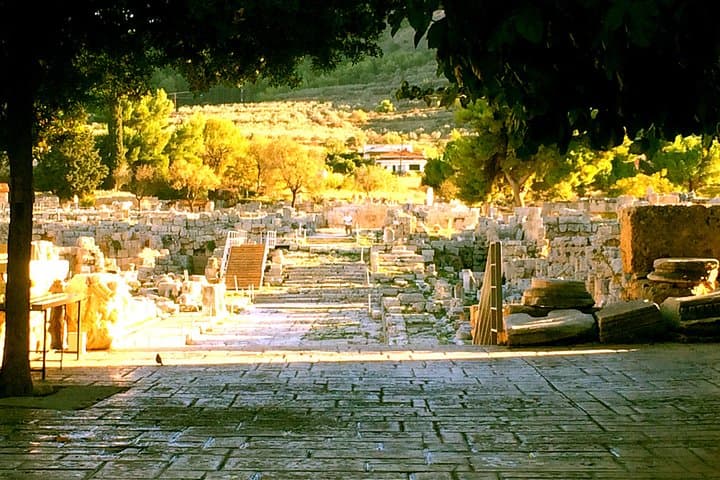
Visitors move through deep history here: Mycenae’s Cyclopean walls and the Lion Gate speak to Bronze Age power; Epidaurus’ theatre still projects a whisper; Mystras preserves Byzantine frescoes clinging to steep terraces. Geology matters: the peninsula’s faulted limestone creates dramatic cliffs, caves (Diros) and karst gorges that shaped settlement and defense. Culture is culinary and local—tavernas serve regional wines and slow-cooked lamb while tower-houses in Vathia recall clan life and the era of local autonomy.
Practical rhythm matters: days are driven with multiple short walks—archaeological sites require uneven footing and steps, Monemvasia is reached on foot across a causeway, and cave boat trips demand steady balance. Expect moderate walking each day with plenty of seated travel between towns; hotels are 4-star or boutique with breakfast included. Bring layered clothing for coastal breezes and cool inland mornings, sturdy shoes for ruins and cobbled lanes, and a small daypack for water, sunscreen and camera.
This private program is flexible—add an archaeological guide at key sites or choose lunch options—making it ideal for travelers who want an active but comfortable way to read Greece’s long, visible past.
easy.
7 days.
Suitable for travelers of most fitness levels with ability to walk short uneven distances and climb stairs at sites.
Yes; the itinerary is vehicle-based with short walks—infants and small children can use strollers in many spots, though Monemvasia requires walking over uneven cobbles.
A knowledgeable driver provides context, but licensed archaeological guides may be added on request for in-depth tours of specific UNESCO sites.
Physical demands are low to moderate—expect repeated short walks, stairs and uneven terrain at ruins; most travelers manage comfortably with good footwear.
Yes—lunch options can be added to bookings and hotels/restaurants generally accommodate common dietary preferences and allergies if notified in advance.
The Peloponnese is layered with eras—from Mycenaean palaces and classical theatres to Byzantine fortress towns and Venetian castles—each town preserves distinct architectural scripts.
Visitors should stick to marked paths at archaeological and cave sites to protect fragile formations and artifacts; support local businesses and small museums to sustain community stewardship.
WARMPENGUIN operates guided outdoor trips and adventures with an emphasis on safety, stewardship, and memorable experiences.

Morning light slides across olive groves and limestone ridges as a Mercedes minivan winds south from Athens—sea windows on one side, jagged Mani towers on the other. Over seven days the Peloponnese reveals itself as a landscape of fortified rocks, ruined temples and blue bays where villages still grind olive oil the old way.
Morning light slides across olive groves and limestone ridges as a Mercedes minivan winds south from Athens—sea windows on one side, jagged Mani towers on the other. Over seven days the Peloponnese reveals itself as a landscape of fortified rocks, ruined temples and blue bays where villages still grind olive oil the old way.
Visitors move through deep history here: Mycenae’s Cyclopean walls and the Lion Gate speak to Bronze Age power; Epidaurus’ theatre still projects a whisper; Mystras preserves Byzantine frescoes clinging to steep terraces. Geology matters: the peninsula’s faulted limestone creates dramatic cliffs, caves (Diros) and karst gorges that shaped settlement and defense. Culture is culinary and local—tavernas serve regional wines and slow-cooked lamb while tower-houses in Vathia recall clan life and the era of local autonomy.
Practical rhythm matters: days are driven with multiple short walks—archaeological sites require uneven footing and steps, Monemvasia is reached on foot across a causeway, and cave boat trips demand steady balance. Expect moderate walking each day with plenty of seated travel between towns; hotels are 4-star or boutique with breakfast included. Bring layered clothing for coastal breezes and cool inland mornings, sturdy shoes for ruins and cobbled lanes, and a small daypack for water, sunscreen and camera.
This private program is flexible—add an archaeological guide at key sites or choose lunch options—making it ideal for travelers who want an active but comfortable way to read Greece’s long, visible past.