THE ADVENTURE COLLECTIVE® · Independent discovery and booking for outdoor travel

Seven days threads Hanoi’s urban pulse with Ninh Binh’s karst rivers, a two-day Halong cruise and trekking among Sapa’s terraces. This itinerary blends boat trips, village hikes and cultural encounters with manageable distances and a few early starts.
Seven days threads Hanoi’s urban pulse with Ninh Binh’s karst rivers, a two-day Halong cruise and trekking among Sapa’s terraces. This itinerary blends boat trips, village hikes and cultural encounters with manageable distances and a few early starts.
You step from Hanoi’s humid dawn into streets that hum with motorbikes and breakfast stalls, then trade the city’s clatter for limestone walls rising like old ships in Ninh Binh and Ha Long Bay.
Verified experiences and guided adventures in the surrounding area.
Operated by Authentic Travel VIETNAM · Hanoi, Hanoi
You step from Hanoi’s humid dawn into streets that hum with motorbikes and breakfast stalls, then trade the city’s clatter for limestone walls rising like old ships in Ninh Binh and Ha Long Bay.
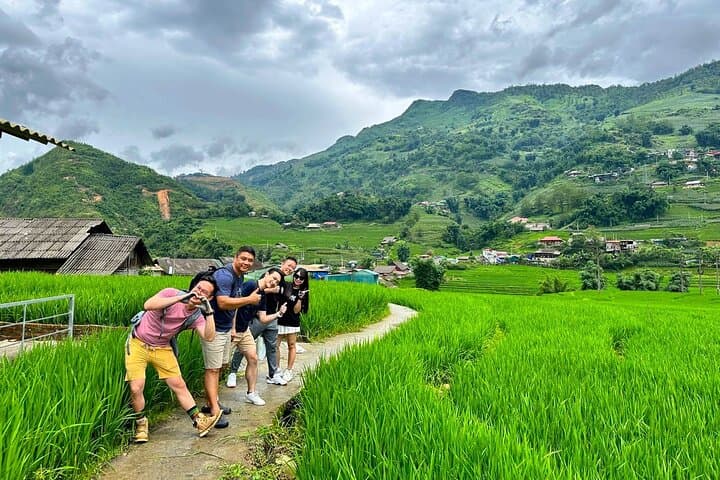
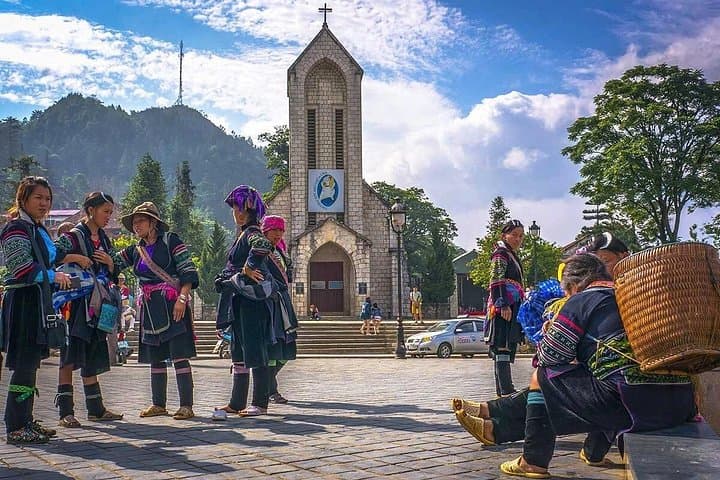
The route moves fast: an afternoon bamboo-boat glide through Tam Coc’s river caves, a 500-step climb at Mua Cave for a wide panorama, then a two-day cruise through Ha Long’s emerald fingers and a final highland chapter among Sapa’s carved rice terraces. These landscapes are geological stories — karst towers in the Gulf of Tonkin sculpted by millennia of rain and acidity, and terraced slopes shaped by human hands and tectonic uplift. Culturally, you’ll cross spaces held by Kinh, H’Mong and Tay communities; markets and homestays make the region’s living traditions visible and immediate.
Practical details are straightforward: the tour runs seven days with two nights on board and multiple short treks (a downhill 6 km valley walk in Muong Hoa and shorter village hikes of 3–6 km). Expect early starts, long coach transfers and one sleeping-bus leg to Sapa. Bring layered clothing for Sapa’s cool mornings, good treaded footwear for slippery trails, and a dry bag for the Halong deck and Tam Coc boat.
Timing matters: mornings give clearer light and fewer crowds at viewpoints; check seasonal weather for monsoon windows. Carry local cash for village purchases, respect private homestays, and keep single-use plastics to a minimum — these places are sensitive to visitor pressure but welcoming to prepared travelers.
moderate.
7 days.
Suitable for travelers in reasonable shape who can handle multiple short hikes (3–6 km), stairs and extended coach transfers
The itinerary includes most breakfasts, several lunches and dinners and accommodations as stated (hotels and one night on a cruise); check specific listings for exact meal counts.
Most walks are moderate: village treks of 3–6 km and the Mua Cave viewpoint involves ~500 steps; trails can be muddy after rain.
Visa rules depend on nationality; some travelers require e-visa or visa-on-arrival with pre-approval—confirm with authorities before travel.
Yes; many activities are boat-based or optional; swimming and kayaking are optional, and life jackets are provided on cruises and boats.
Hoa Lu served as Vietnam’s capital in the 10th–11th centuries under the Dinh and Le dynasties; Ha Long Bay is a UNESCO site valued for its natural karst formations.
Ha Long and Ninh Binh face visitor pressure—avoid single-use plastics, follow marked paths, and support local guides and homestays to keep tourism sustainable.
Authentic Travel VIETNAM operates guided outdoor trips and adventures with an emphasis on safety, stewardship, and memorable experiences.


You step from Hanoi’s humid dawn into streets that hum with motorbikes and breakfast stalls, then trade the city’s clatter for limestone walls rising like old ships in Ninh Binh and Ha Long Bay.
You step from Hanoi’s humid dawn into streets that hum with motorbikes and breakfast stalls, then trade the city’s clatter for limestone walls rising like old ships in Ninh Binh and Ha Long Bay.
The route moves fast: an afternoon bamboo-boat glide through Tam Coc’s river caves, a 500-step climb at Mua Cave for a wide panorama, then a two-day cruise through Ha Long’s emerald fingers and a final highland chapter among Sapa’s carved rice terraces. These landscapes are geological stories — karst towers in the Gulf of Tonkin sculpted by millennia of rain and acidity, and terraced slopes shaped by human hands and tectonic uplift. Culturally, you’ll cross spaces held by Kinh, H’Mong and Tay communities; markets and homestays make the region’s living traditions visible and immediate.
Practical details are straightforward: the tour runs seven days with two nights on board and multiple short treks (a downhill 6 km valley walk in Muong Hoa and shorter village hikes of 3–6 km). Expect early starts, long coach transfers and one sleeping-bus leg to Sapa. Bring layered clothing for Sapa’s cool mornings, good treaded footwear for slippery trails, and a dry bag for the Halong deck and Tam Coc boat.
Timing matters: mornings give clearer light and fewer crowds at viewpoints; check seasonal weather for monsoon windows. Carry local cash for village purchases, respect private homestays, and keep single-use plastics to a minimum — these places are sensitive to visitor pressure but welcoming to prepared travelers.