THE ADVENTURE COLLECTIVE® · Independent discovery and booking for outdoor travel

A seven-day camping circuit from Windhoek that pairs Etosha game drives with cultural visits to a Himba village and the eerie coastline of Cape Cross. Expect long drives, five nights of camp, and up-close wildlife viewing at waterholes and seal colonies.
A seven-day camping circuit from Windhoek that pairs Etosha game drives with cultural visits to a Himba village and the eerie coastline of Cape Cross. Expect long drives, five nights of camp, and up-close wildlife viewing at waterholes and seal colonies.
Dawn breaks over a corrugated horizon as your safari vehicle slips out of Windhoek, headlights cutting through the cool air. Dust rises behind the convoy and the pop-up roof opens so you can watch the landscape unspool — veld grass giving way to pans, granite domes and finally the salt-strewn Atlantic shore.
Verified experiences and guided adventures in the surrounding area.
Operated by Chameleon Safaris · Windhoek, Khomas
Dawn breaks over a corrugated horizon as your safari vehicle slips out of Windhoek, headlights cutting through the cool air. Dust rises behind the convoy and the pop-up roof opens so you can watch the landscape unspool — veld grass giving way to pans, granite domes and finally the salt-strewn Atlantic shore.
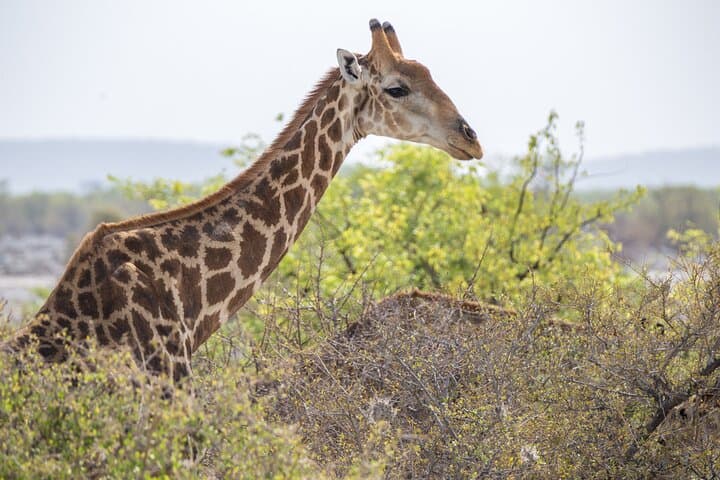
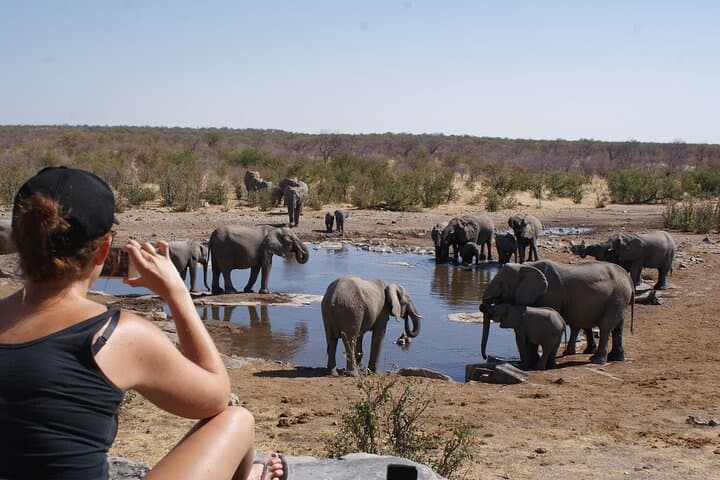
This seven-day loop threads Namibia’s contrasts: the waterholes of Etosha where heat-baked plains attract elephant and rhino, the red ochre of Himba settlements that conserve traditional lifeways, and the Skeleton Coast where fog and cold Benguela currents have ground ships to ruins. Geologically, you move from Etosha’s 4,500 km2 salt pan to the ancient granite spires of Spitzkoppe and the fossil-rich shorelines of Cape Cross.
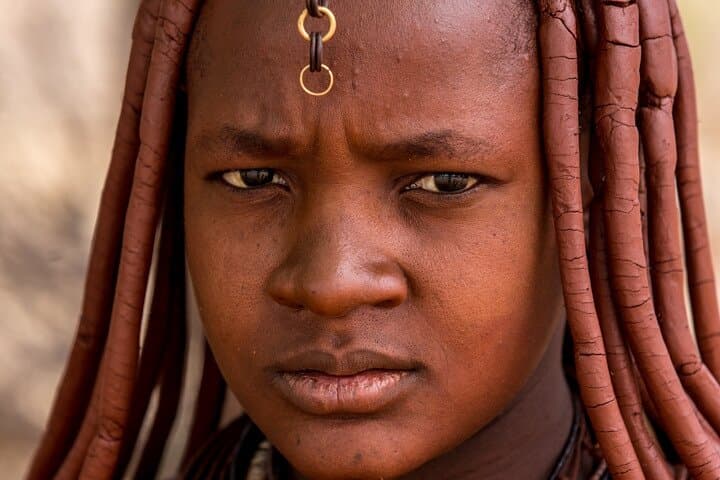
Culturally the trip balances wildlife and people — a guided Himba village visit is structured to be respectful and revenue-supporting, while conservation work at estates like Mount Etjo links directly to the rhino sightings you’ll seek.
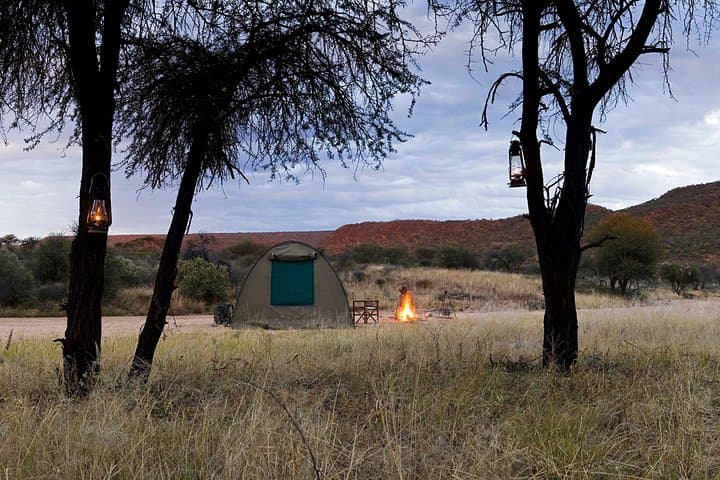
Practically, expect five nights camping and one hotel night in Swakopmund, daily drives of several hours, two game drives in Etosha and a Cape Cross visit to see Cape fur seals. Bring a warm sleeping bag (not provided), sturdy boots, sun protection and reusable water. Mornings are best for predators; evenings around floodlit waterholes are prime for viewing. Respect local guidelines: keep distance from wildlife, ask before photographing people, and conserve water in camp. With moderate fitness and patience for long drives, the route rewards with close encounters, stark shorelines and desert nights under sharp stars.
moderate.
7 days.
Moderate fitness required: able to board vehicles, walk short distances at pace, and sleep in basic campsites.
No — the tour provides camping equipment but excludes sleeping bags, so bring a suitably rated bag for chilly desert nights.
You’ll view animals from the safari vehicle and at secured waterholes; guides follow park and safety rules to maintain safe distances from dangerous species.
Wear modest, neutral clothing and avoid flash photography; follow your guide’s instructions and ask permission before taking photos.
Days include several hours of driving over sealed and unsealed roads — prepare for motion-sickness, bring snacks, and plan for early departures and late arrivals.
The Skeleton Coast earned its name during the colonial era due to treacherous fog, currents and shipwrecks; inland, Himba culture preserves centuries-old pastoral traditions.
Etosha and several private reserves focus on species protection — notably rhino conservation projects — so follow guides’ rules to minimize disturbance and support sustainable tourism.
Chameleon Safaris operates guided outdoor trips and adventures with an emphasis on safety, stewardship, and memorable experiences.
Dawn breaks over a corrugated horizon as your safari vehicle slips out of Windhoek, headlights cutting through the cool air. Dust rises behind the convoy and the pop-up roof opens so you can watch the landscape unspool — veld grass giving way to pans, granite domes and finally the salt-strewn Atlantic shore.
Dawn breaks over a corrugated horizon as your safari vehicle slips out of Windhoek, headlights cutting through the cool air. Dust rises behind the convoy and the pop-up roof opens so you can watch the landscape unspool — veld grass giving way to pans, granite domes and finally the salt-strewn Atlantic shore.
This seven-day loop threads Namibia’s contrasts: the waterholes of Etosha where heat-baked plains attract elephant and rhino, the red ochre of Himba settlements that conserve traditional lifeways, and the Skeleton Coast where fog and cold Benguela currents have ground ships to ruins. Geologically, you move from Etosha’s 4,500 km2 salt pan to the ancient granite spires of Spitzkoppe and the fossil-rich shorelines of Cape Cross.
Culturally the trip balances wildlife and people — a guided Himba village visit is structured to be respectful and revenue-supporting, while conservation work at estates like Mount Etjo links directly to the rhino sightings you’ll seek.
Practically, expect five nights camping and one hotel night in Swakopmund, daily drives of several hours, two game drives in Etosha and a Cape Cross visit to see Cape fur seals. Bring a warm sleeping bag (not provided), sturdy boots, sun protection and reusable water. Mornings are best for predators; evenings around floodlit waterholes are prime for viewing. Respect local guidelines: keep distance from wildlife, ask before photographing people, and conserve water in camp. With moderate fitness and patience for long drives, the route rewards with close encounters, stark shorelines and desert nights under sharp stars.