THE ADVENTURE COLLECTIVE® · Independent discovery and booking for outdoor travel

Spend seven days floating the Nile between Luxor and Aswan, visiting world-class temples, rock-hewn tombs and Abu Simbel’s colossal facades. This cruise combines relaxed river travel with guided archaeological stops and early-morning excursions.
Spend seven days floating the Nile between Luxor and Aswan, visiting world-class temples, rock-hewn tombs and Abu Simbel’s colossal facades. This cruise combines relaxed river travel with guided archaeological stops and early-morning excursions.
Morning light slides across the Nile and the cruise loosens its moorings; palm-lined banks and low desert bluffs drift by while you unpack into a cabin that will be your base for the next week. On deck, the river breathes warm air and the hum of the engine keeps a slow, steady tempo as the ship threads between ancient sites and modern towns.
Verified experiences and guided adventures in the surrounding area.
Operated by very nice holiday · Luxor, Luxor Governorate
Morning light slides across the Nile and the cruise loosens its moorings; palm-lined banks and low desert bluffs drift by while you unpack into a cabin that will be your base for the next week. On deck, the river breathes warm air and the hum of the engine keeps a slow, steady tempo as the ship threads between ancient sites and modern towns.
This itinerary stitches together the first civilization’s greatest monuments: the valley tombs of Luxor’s West Bank, Karnak’s avenue of columns, Kom Ombo’s twin shrines, the giant rock-cut faces of Abu Simbel and Aswan’s granite quarries. Geologically, the Nile corridor is a living margin between alluvial floodplain and Precambrian bedrock—pharaonic builders used the hard Aswan granite and softer Nile silt to shape temples that have survived millennia.
Culturally, the cruise pairs Egyptology lectures with local rhythms: felucca traffic, Nubian villages, and markets trading dates and spices. Expect guided walks at temples, short bus transfers, and early starts for Abu Simbel to catch cooler light and thinner crowds.
Practical side: pack light, plan for sun and dust, and schedule nights for rest—most sightseeing is low-impact but involves uneven stone, steps and stairs. Bring a photocopy of your passport, local currency for tips and site fees, and sturdy walking shoes. Hydrate on deck between site visits and use sunscreen; mornings and evenings are the best windows for photography and shorter walks. The cruise is an easy-paced way to see Upper Egypt’s highlights without constant repacking, with the Nile itself daring you to slow down and pay attention.
easy.
7 days.
Suitable for most travelers with basic mobility — expect repeated short walks, steps and some standing during tours.
Yes — the itinerary notes stroller accessibility and infant seats; however, early-morning starts (Abu Simbel) and long transfer windows may be tiring for very young children.
Typical itineraries include guided visits but not all entrance fees — confirm what the operator covers before booking; the posted inclusions list Egyptologist guide and major transfers.
Expect a 4:00–5:00 AM departure from the ship to reach Abu Simbel during cooler, less crowded hours; your operator will set the exact pickup time.
Many Nile cruisers have pools for sunbathing and cooling off; swimming in the river is not recommended because of currents and boats.
The Nile corridor hosted Egypt’s ancient capitals; many temples on this route were expanded over centuries by pharaonic and Ptolemaic dynasties and later reused by Roman and Byzantine administrations.
River tourism concentrates pressure on fragile archaeological sites and local water resources; choose operators that follow waste management protocols and respect no-go areas at monuments.
very nice holiday operates guided outdoor trips and adventures with an emphasis on safety, stewardship, and memorable experiences.
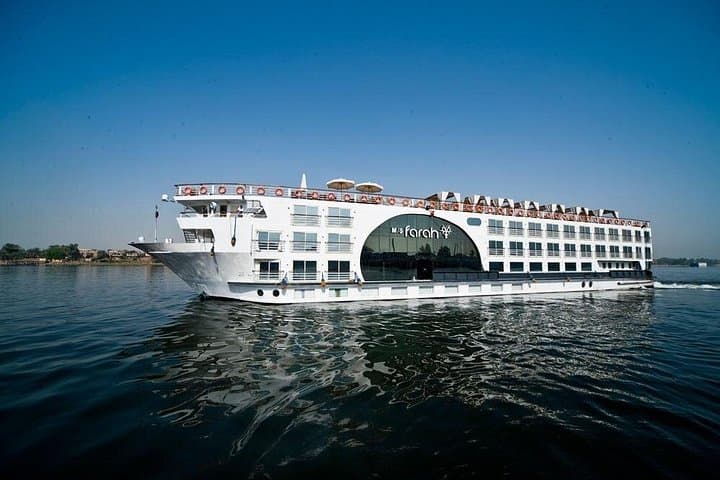
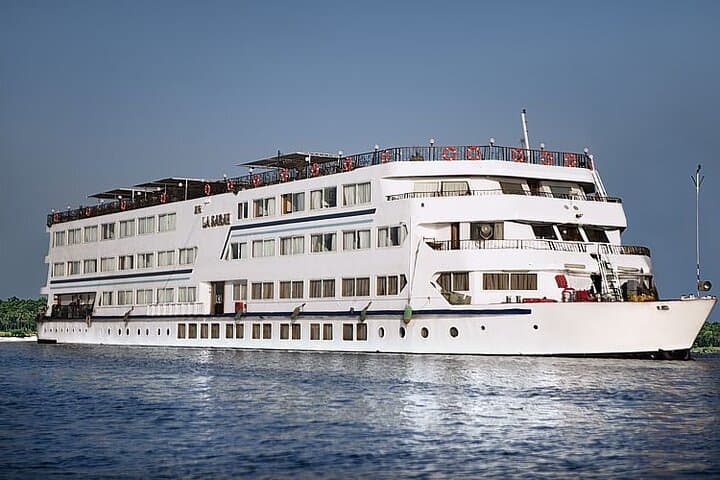
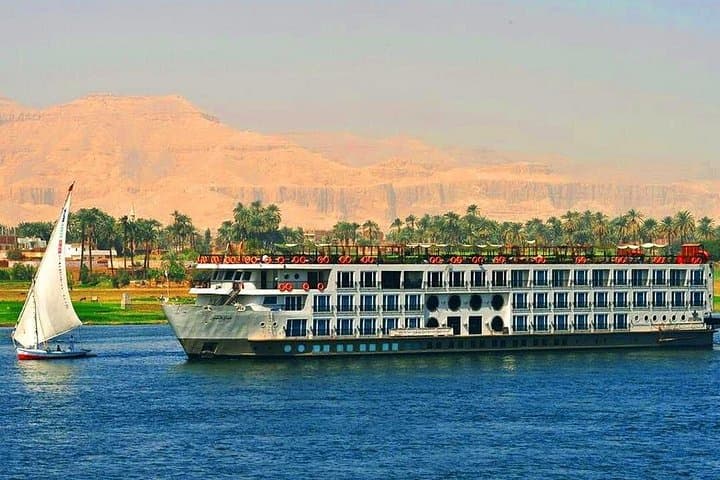

Morning light slides across the Nile and the cruise loosens its moorings; palm-lined banks and low desert bluffs drift by while you unpack into a cabin that will be your base for the next week. On deck, the river breathes warm air and the hum of the engine keeps a slow, steady tempo as the ship threads between ancient sites and modern towns.
Morning light slides across the Nile and the cruise loosens its moorings; palm-lined banks and low desert bluffs drift by while you unpack into a cabin that will be your base for the next week. On deck, the river breathes warm air and the hum of the engine keeps a slow, steady tempo as the ship threads between ancient sites and modern towns.
This itinerary stitches together the first civilization’s greatest monuments: the valley tombs of Luxor’s West Bank, Karnak’s avenue of columns, Kom Ombo’s twin shrines, the giant rock-cut faces of Abu Simbel and Aswan’s granite quarries. Geologically, the Nile corridor is a living margin between alluvial floodplain and Precambrian bedrock—pharaonic builders used the hard Aswan granite and softer Nile silt to shape temples that have survived millennia.
Culturally, the cruise pairs Egyptology lectures with local rhythms: felucca traffic, Nubian villages, and markets trading dates and spices. Expect guided walks at temples, short bus transfers, and early starts for Abu Simbel to catch cooler light and thinner crowds.
Practical side: pack light, plan for sun and dust, and schedule nights for rest—most sightseeing is low-impact but involves uneven stone, steps and stairs. Bring a photocopy of your passport, local currency for tips and site fees, and sturdy walking shoes. Hydrate on deck between site visits and use sunscreen; mornings and evenings are the best windows for photography and shorter walks. The cruise is an easy-paced way to see Upper Egypt’s highlights without constant repacking, with the Nile itself daring you to slow down and pay attention.