THE ADVENTURE COLLECTIVE® · Independent discovery and booking for outdoor travel

Sail the Nile and move through Egypt’s greatest monuments on a seven-day route from Cairo to Abu Simbel. Expect early starts, cultural immersion, and a mix of river relaxation and archaeological exploration.
Sail the Nile and move through Egypt’s greatest monuments on a seven-day route from Cairo to Abu Simbel. Expect early starts, cultural immersion, and a mix of river relaxation and archaeological exploration.
On the Nile at dawn the cruise feels like a slow-moving observatory: palm-fringed banks slide past, temple pylons silhouette the light, and the river breathes cool air across the deck.
Verified experiences and guided adventures in the surrounding area.
Operated by Nile Prince Travel · Cairo, Cairo
On the Nile at dawn the cruise feels like a slow-moving observatory: palm-fringed banks slide past, temple pylons silhouette the light, and the river breathes cool air across the deck.
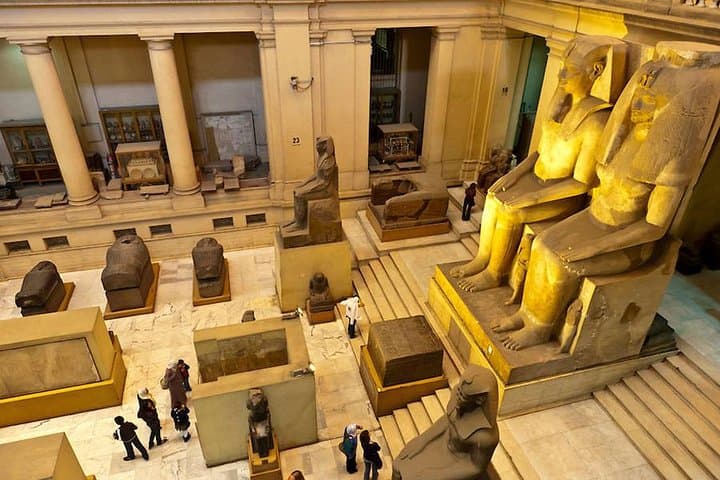
This seven-day circuit begins in Cairo’s urban sprawl and moves downriver through layers of Egyptian history — Pharaonic temples carved from sandstone and granite, Greco-Roman monuments, and modern feats like the Aswan High Dam. Geologically, the Nile Valley is a ribbon of alluvial soil between desert escarpments; those cliffs and quarries explain how ancient builders sourced blocks and why monumental architecture clustered here.
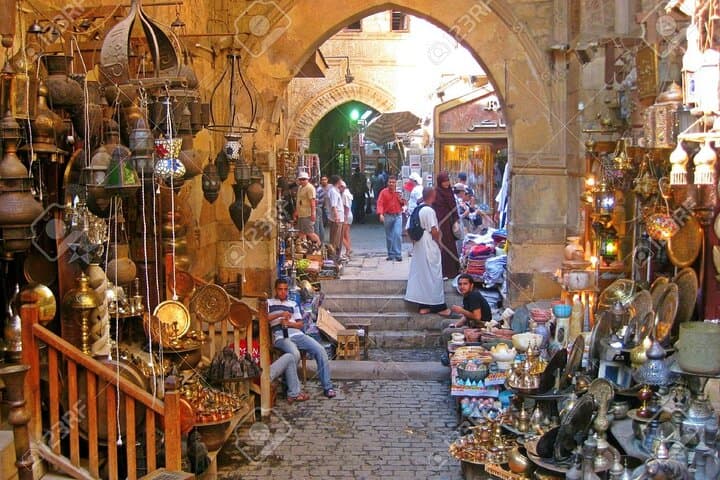
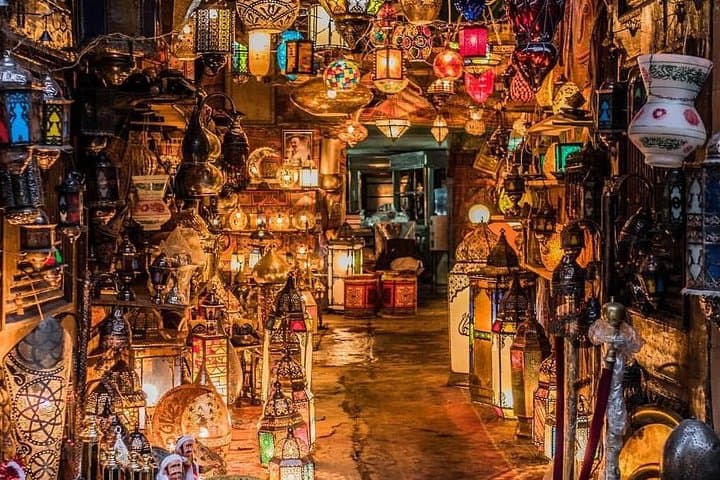
Culturally, expect markets, mosque calls, and the slow pace of life on a felucca or cruise boat. UNESCO’s relocation of Philae and the preserved hypostyle halls at Karnak show the scale of conservation efforts; local guides bring these stories to life with practical context and measured interpretation.
Plan for long travel days: overnight sleeper trains and multi-hour drives are part of the rhythm. Practical tips — book the hot-air balloon early morning in Luxor for calm wind windows; carry layered sun protection for daytime heat and cooler mornings on deck; keep small-denomination Egyptian pounds for market purchases and tipping.
Accessibility on this itinerary is generally good aboard the cruise and at major sites, but uneven stone at ruins means a cane or steadiness helps. Hydrate steadily, time temple visits for morning or late afternoon shadows, and expect a blend of active walking, short climbs, and relaxed river time — a historically dense trip governed by practical logistics.
moderate.
7 days.
Light to moderate fitness: able to walk 1–3 miles with stairs and uneven stone surfaces; comfortable with multi-hour travel segments.
No — international flights to Cairo are not included; transfers and internal transport listed in the itinerary are provided by the operator.
No — the hot-air balloon in Luxor is an optional activity and is usually booked and paid for separately.
Visa requirements vary by nationality; many travelers can obtain an e‑visa or visa on arrival, but check the Egyptian government or your embassy before traveling.
Major sites and the cruise vehicle offer improved accessibility, but ancient sites have uneven stone and steps that may limit full independence for some mobility aids.
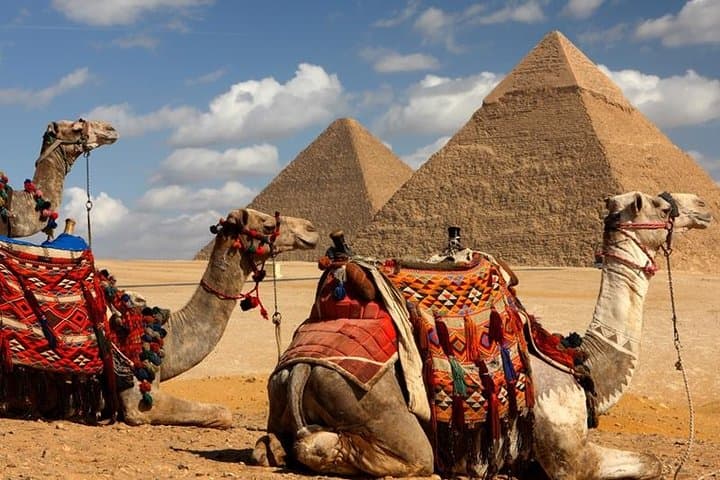
This route traces Egypt’s ancient core — from Giza’s pyramids through Pharaonic temples to the relocated Philae — reflecting millennia of Nile-centered civilization.
Water management and tourism put pressure on Nile ecosystems and archaeological sites; support licensed guides and follow site rules to minimize impact.
Nile Prince Travel operates guided outdoor trips and adventures with an emphasis on safety, stewardship, and memorable experiences.
On the Nile at dawn the cruise feels like a slow-moving observatory: palm-fringed banks slide past, temple pylons silhouette the light, and the river breathes cool air across the deck.
On the Nile at dawn the cruise feels like a slow-moving observatory: palm-fringed banks slide past, temple pylons silhouette the light, and the river breathes cool air across the deck.
This seven-day circuit begins in Cairo’s urban sprawl and moves downriver through layers of Egyptian history — Pharaonic temples carved from sandstone and granite, Greco-Roman monuments, and modern feats like the Aswan High Dam. Geologically, the Nile Valley is a ribbon of alluvial soil between desert escarpments; those cliffs and quarries explain how ancient builders sourced blocks and why monumental architecture clustered here.
Culturally, expect markets, mosque calls, and the slow pace of life on a felucca or cruise boat. UNESCO’s relocation of Philae and the preserved hypostyle halls at Karnak show the scale of conservation efforts; local guides bring these stories to life with practical context and measured interpretation.
Plan for long travel days: overnight sleeper trains and multi-hour drives are part of the rhythm. Practical tips — book the hot-air balloon early morning in Luxor for calm wind windows; carry layered sun protection for daytime heat and cooler mornings on deck; keep small-denomination Egyptian pounds for market purchases and tipping.
Accessibility on this itinerary is generally good aboard the cruise and at major sites, but uneven stone at ruins means a cane or steadiness helps. Hydrate steadily, time temple visits for morning or late afternoon shadows, and expect a blend of active walking, short climbs, and relaxed river time — a historically dense trip governed by practical logistics.