THE ADVENTURE COLLECTIVE® · Independent discovery and booking for outdoor travel

A seven-day loop from Lima to Machu Picchu that blends colonial Lima, highland Cusco, the Sacred Valley and the Lost City itself. Practical advice on acclimatization, logistics and what to pack for altitude and varied terrain.
A seven-day loop from Lima to Machu Picchu that blends colonial Lima, highland Cusco, the Sacred Valley and the Lost City itself. Practical advice on acclimatization, logistics and what to pack for altitude and varied terrain.
You step off the train in Aguas Calientes and the humid scent of the cloud forest rises to meet you — the Urubamba River cuts a green gorge below and, higher still, terraces cling to slopes like steps toward the sky. Over seven days this itinerary moves from Lima’s colonial streets to Cusco’s high plazas and into the living Inca landscape of the Sacred Valley, finishing at the terraces and ceremonial plazas of Machu Picchu.
Verified experiences and guided adventures in the surrounding area.
Operated by VIPAC Travel · Aguas Calientes, Cusco Region
You step off the train in Aguas Calientes and the humid scent of the cloud forest rises to meet you — the Urubamba River cuts a green gorge below and, higher still, terraces cling to slopes like steps toward the sky. Over seven days this itinerary moves from Lima’s colonial streets to Cusco’s high plazas and into the living Inca landscape of the Sacred Valley, finishing at the terraces and ceremonial plazas of Machu Picchu.
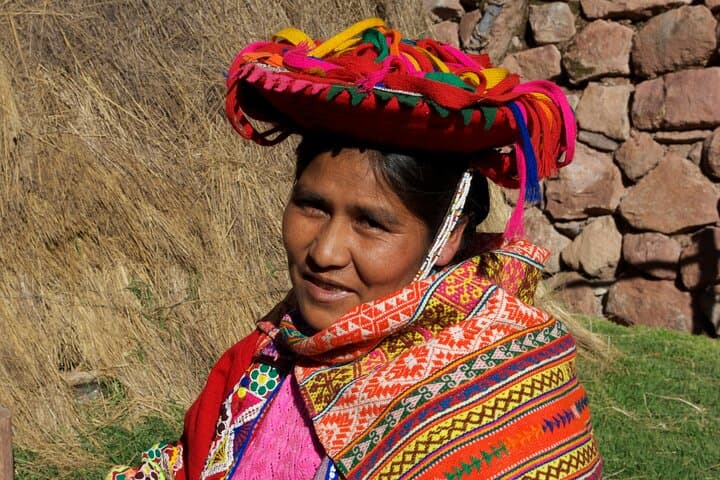
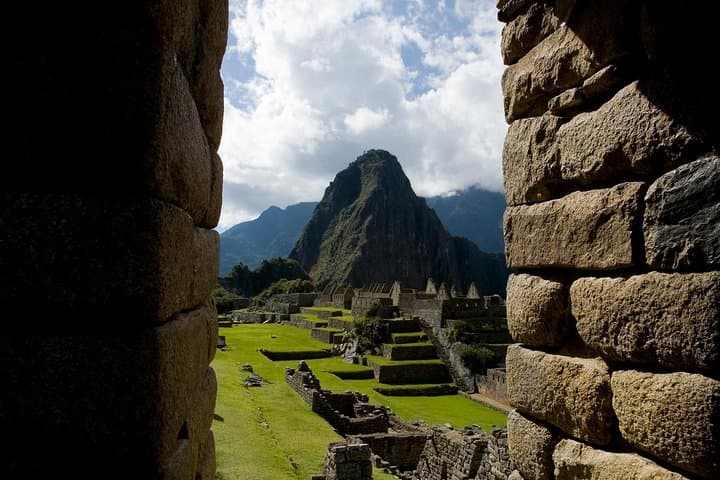
The route follows layers of Peruvian history: pre-Columbian collections in the Larco Museum, the Inca stonework of Sacsayhuamán and Ollantaytambo, agricultural experiments at Moray and the salt pans of Maras, all set on Andean bedrock folded by tectonic collision. Local culture is visible at markets and weaving centers where techniques and dyes unchanged for centuries meet modern tourism in a practical exchange.
Expect varied terrain — cobbled streets, moderate uphill walking at altitude, and stepped Inca stairways — and weather that shifts quickly between sun and mist in the highlands. Practical planning matters: acclimatize in Cusco before the Sacred Valley, secure nonrefundable Machu Picchu tickets early, and allow extra time for train and bus transfers.
Bring layered clothing for cold mornings, sturdy footwear for uneven stone, sun protection and a compact rain shell. Hydration and slow pacing reduce altitude effects. With thoughtful packing and an allowance for slow mornings to breathe in the place, this seven-day loop gives ample time to see major sites while leaving room to notice the small details — a weaver’s hand, a llama on a terrace, the way light settles on ancient stone.
moderate.
7 days.
Moderate fitness: able to walk several hours at altitude and handle stairs and uneven stone surfaces; allow time to acclimate.
This is not a multi-day trek — the trip uses train and bus to reach Machu Picchu; walking around the citadel involves uneven steps and moderate uphill sections but no technical climbing.
No — entrance tickets are non‑refundable and date changes are not accepted; if you need a different date you must purchase a new ticket.
The itinerary includes nights in Cusco and the Sacred Valley which helps acclimatization; still, take it easy on arrival, hydrate, and avoid heavy exertion the first 24–48 hours.
The tour includes 6 nights’ accommodation per itinerary, daily breakfasts, selected lunches, bilingual guide service, entrance fees to listed sites, round‑trip Voyagers train to Machu Picchu and transfers indicated in the schedule.
Machu Picchu was built in the mid‑15th century under the Inca ruler Pachacuti and later abandoned during the Spanish conquest era, remaining largely unknown to the outside world until the 20th century.
Visitor circuits and timed entries were introduced to reduce wear on fragile stonework; stick to marked paths, avoid climbing unpermitted structures and support local conservation efforts by following guide instructions.
VIPAC Travel operates guided outdoor trips and adventures with an emphasis on safety, stewardship, and memorable experiences.
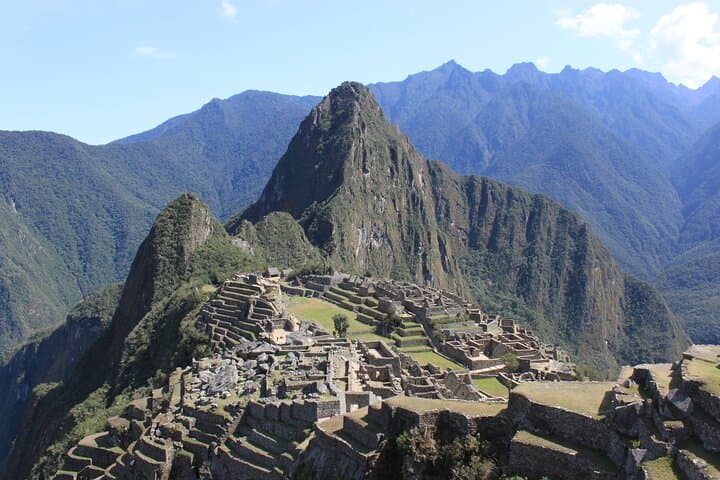
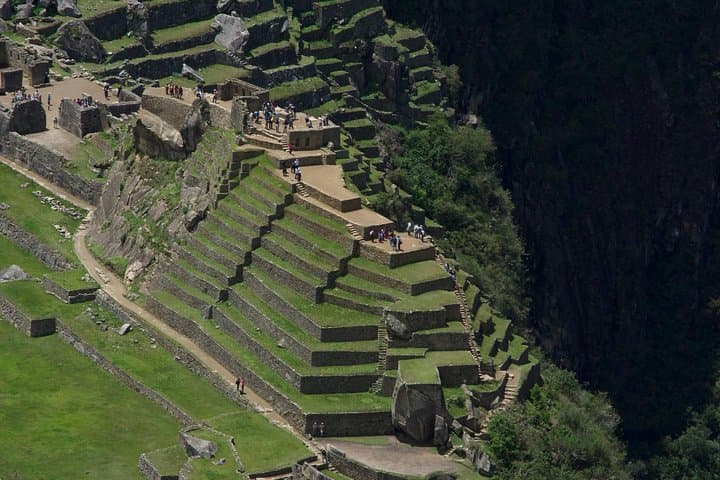
You step off the train in Aguas Calientes and the humid scent of the cloud forest rises to meet you — the Urubamba River cuts a green gorge below and, higher still, terraces cling to slopes like steps toward the sky. Over seven days this itinerary moves from Lima’s colonial streets to Cusco’s high plazas and into the living Inca landscape of the Sacred Valley, finishing at the terraces and ceremonial plazas of Machu Picchu.
You step off the train in Aguas Calientes and the humid scent of the cloud forest rises to meet you — the Urubamba River cuts a green gorge below and, higher still, terraces cling to slopes like steps toward the sky. Over seven days this itinerary moves from Lima’s colonial streets to Cusco’s high plazas and into the living Inca landscape of the Sacred Valley, finishing at the terraces and ceremonial plazas of Machu Picchu.
The route follows layers of Peruvian history: pre-Columbian collections in the Larco Museum, the Inca stonework of Sacsayhuamán and Ollantaytambo, agricultural experiments at Moray and the salt pans of Maras, all set on Andean bedrock folded by tectonic collision. Local culture is visible at markets and weaving centers where techniques and dyes unchanged for centuries meet modern tourism in a practical exchange.
Expect varied terrain — cobbled streets, moderate uphill walking at altitude, and stepped Inca stairways — and weather that shifts quickly between sun and mist in the highlands. Practical planning matters: acclimatize in Cusco before the Sacred Valley, secure nonrefundable Machu Picchu tickets early, and allow extra time for train and bus transfers.
Bring layered clothing for cold mornings, sturdy footwear for uneven stone, sun protection and a compact rain shell. Hydration and slow pacing reduce altitude effects. With thoughtful packing and an allowance for slow mornings to breathe in the place, this seven-day loop gives ample time to see major sites while leaving room to notice the small details — a weaver’s hand, a llama on a terrace, the way light settles on ancient stone.