THE ADVENTURE COLLECTIVE® · Independent discovery and booking for outdoor travel

A seven-day circuit through Namibia’s oldest desert and deepest canyon — from the sunrise faces of Sossusvlei’s dunes to the layered walls of Fish River Canyon. Expect dusty drives, early mornings on sand ridges, and nights under an immense southern sky.
A seven-day circuit through Namibia’s oldest desert and deepest canyon — from the sunrise faces of Sossusvlei’s dunes to the layered walls of Fish River Canyon. Expect dusty drives, early mornings on sand ridges, and nights under an immense southern sky.
You step out of the Land Cruiser before dawn and the desert immediately rearranges itself around you — a low, cold air that carries sand and salt, and a horizon that seems to have been sharpened overnight. Headlamps wink off as the group moves toward a ridge of braided orange, the dune's face already cooling from the night but still holding the heat of the day. By the time the sun clears the horizon, the sand begins to glow in layers of ochre and gold; the dunes are not passive scenery here, they push and shape the route.
Verified experiences and guided adventures in the surrounding area.
Operated by Don Tours & Safaris · Windhoek, Khomas
You step out of the Land Cruiser before dawn and the desert immediately rearranges itself around you — a low, cold air that carries sand and salt, and a horizon that seems to have been sharpened overnight. Headlamps wink off as the group moves toward a ridge of braided orange, the dune's face already cooling from the night but still holding the heat of the day. By the time the sun clears the horizon, the sand begins to glow in layers of ochre and gold; the dunes are not passive scenery here, they push and shape the route.
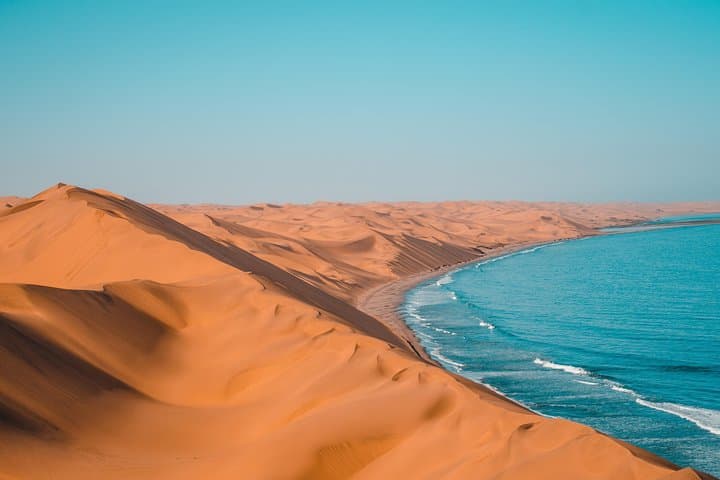
This 7-day expedition threads Namibia's essentials: Windhoek's highland plains, the Sesriem corridor, the splayed pans of Deadvlei and Sossusvlei, towering dunes like Dune 25/Big Daddy, then the deep, folded scar of Fish River Canyon. Geologically the Namib is ancient — considered one of the world's oldest deserts — its dunes fed by longshore drift from the Orange River and shaped by the cold Benguela Current offshore. Culturally, the route crosses lands long used by Nama and other groups; you’ll see simple homesteads, cattle tracks, and, if timing and travel permit, markets where local crafts and stories travel hands to hands.
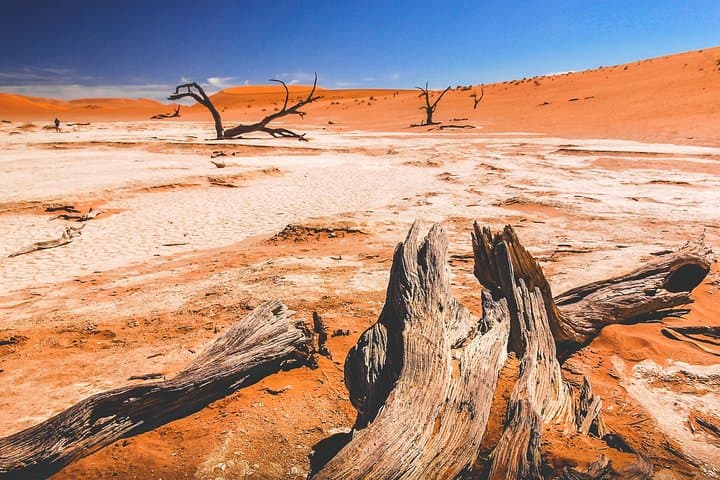
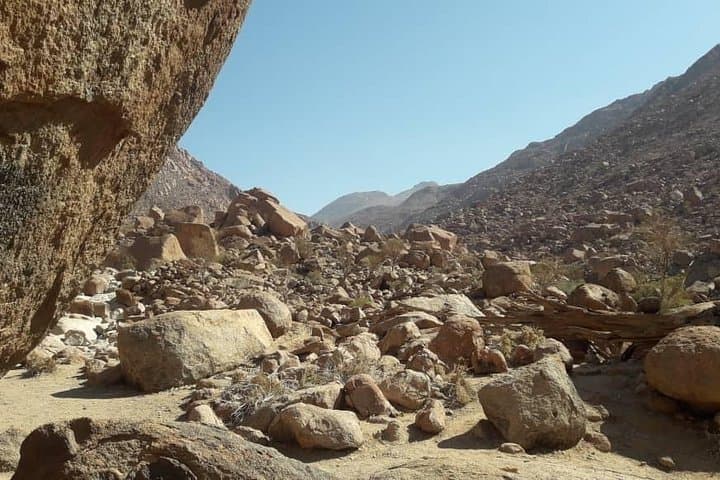
Expect long road days punctuated by intense, short walks: climbing a dune for sunrise, wandering the bleached clay of Deadvlei, peering into Sesriem Canyon's slot-carved pools. The Fish River Canyon delivers a different scale — layered rock revealing millions of years of river incision, a canyon that dares you to feel your smallness. The trip uses mobile camps and lodges; tents and mattresses are provided, so evenings are spent around a stove and sky, not heavy hauling.
Practicalities matter here. Drives between highlights can range from 3–8 hours on well-maintained gravel and tar roads — plan for bumpy sections and dust. Mornings chill sharply in winter (May–Sept), while summer days (Nov–Mar) bring intense heat and potential thunderstorms. Bring a daypack, hydrate proactively, and choose boots that can handle hot fine sand and rugged rock.
If you’re booking, note that this expedition is best for travelers with moderate to good fitness and a taste for multi-day travel rhythms rather than single-day sightseeing. The guide’s local knowledge — which track to take around a dune, when to push for the canyon rim — matters more than map skills. For photographers, timing is everything: sunrise silhouettes and late afternoon shadows give the dunes depth.
In short, this is a trip built around scale: the small scale of footprints in wind-scoured sand, and the vast scale of a landscape that keeps changing its mood. With practical preparation, it’s a week that rewards stamina with scenes you won’t easily forget.
challenging.
7 days.
Moderate to good fitness; able to hike on steep sand and walk 2–4 miles with elevation gain across soft surfaces.
Dune climbs are steep and in loose sand; expect short but intense efforts. Walk at a steady pace, take frequent breaks, and focus on footing rather than speed.
Most operators allow one soft-sided bag for vehicle storage plus a daypack; hard suitcases are discouraged due to dusty transfers.
The itinerary requires long drives and strenuous walks; it’s better suited to teenagers used to hiking and family members with good mobility.
May–September (Namibian winter) offers cooler, dry days and clear skies; November–March is hotter with possible summer storms but also dramatic light.
Yes — guides typically provide cultural context and respect local communities, though remote village visits depend on timing and permissions.
Expect desert-adapted species like oryx and springbok at dawn or dusk; birdlife and smaller mammals are common near waterholes.
The Namib is often called the world’s oldest desert, its coastal climate and sand systems shaped over tens of millions of years; human habitation has long adapted to scarce water and mobile livelihoods.
Namibian tourism emphasizes low-impact travel; stick to marked tracks, pack out plastic, and respect community rules — water is scarce and protected habitats are fragile.
Don Tours & Safaris operates guided outdoor trips and adventures with an emphasis on safety, stewardship, and memorable experiences.

You step out of the Land Cruiser before dawn and the desert immediately rearranges itself around you — a low, cold air that carries sand and salt, and a horizon that seems to have been sharpened overnight. Headlamps wink off as the group moves toward a ridge of braided orange, the dune's face already cooling from the night but still holding the heat of the day. By the time the sun clears the horizon, the sand begins to glow in layers of ochre and gold; the dunes are not passive scenery here, they push and shape the route.
You step out of the Land Cruiser before dawn and the desert immediately rearranges itself around you — a low, cold air that carries sand and salt, and a horizon that seems to have been sharpened overnight. Headlamps wink off as the group moves toward a ridge of braided orange, the dune's face already cooling from the night but still holding the heat of the day. By the time the sun clears the horizon, the sand begins to glow in layers of ochre and gold; the dunes are not passive scenery here, they push and shape the route.
This 7-day expedition threads Namibia's essentials: Windhoek's highland plains, the Sesriem corridor, the splayed pans of Deadvlei and Sossusvlei, towering dunes like Dune 25/Big Daddy, then the deep, folded scar of Fish River Canyon. Geologically the Namib is ancient — considered one of the world's oldest deserts — its dunes fed by longshore drift from the Orange River and shaped by the cold Benguela Current offshore. Culturally, the route crosses lands long used by Nama and other groups; you’ll see simple homesteads, cattle tracks, and, if timing and travel permit, markets where local crafts and stories travel hands to hands.
Expect long road days punctuated by intense, short walks: climbing a dune for sunrise, wandering the bleached clay of Deadvlei, peering into Sesriem Canyon's slot-carved pools. The Fish River Canyon delivers a different scale — layered rock revealing millions of years of river incision, a canyon that dares you to feel your smallness. The trip uses mobile camps and lodges; tents and mattresses are provided, so evenings are spent around a stove and sky, not heavy hauling.
Practicalities matter here. Drives between highlights can range from 3–8 hours on well-maintained gravel and tar roads — plan for bumpy sections and dust. Mornings chill sharply in winter (May–Sept), while summer days (Nov–Mar) bring intense heat and potential thunderstorms. Bring a daypack, hydrate proactively, and choose boots that can handle hot fine sand and rugged rock.
If you’re booking, note that this expedition is best for travelers with moderate to good fitness and a taste for multi-day travel rhythms rather than single-day sightseeing. The guide’s local knowledge — which track to take around a dune, when to push for the canyon rim — matters more than map skills. For photographers, timing is everything: sunrise silhouettes and late afternoon shadows give the dunes depth.
In short, this is a trip built around scale: the small scale of footprints in wind-scoured sand, and the vast scale of a landscape that keeps changing its mood. With practical preparation, it’s a week that rewards stamina with scenes you won’t easily forget.