THE ADVENTURE COLLECTIVE® · Independent discovery and booking for outdoor travel

Summit Africa’s highest peak via the Marangu ("Coca‑Cola") route on a seven‑day hut trek that trades tents for dormitories. This guide covers terrain, day distances, acclimatization strategy, and practical gear for the attempt.
Summit Africa’s highest peak via the Marangu ("Coca‑Cola") route on a seven‑day hut trek that trades tents for dormitories. This guide covers terrain, day distances, acclimatization strategy, and practical gear for the attempt.
Dawn air on the lower slopes tastes like wet earth and eucalyptus; headlamps blink as a convoy of trekkers files out of Mandara Hut and into a sky that will widen with every step.
Verified experiences and guided adventures in the surrounding area.
Operated by Sandpiper Safaris · Moshi, Kilimanjaro Region
Dawn air on the lower slopes tastes like wet earth and eucalyptus; headlamps blink as a convoy of trekkers files out of Mandara Hut and into a sky that will widen with every step.
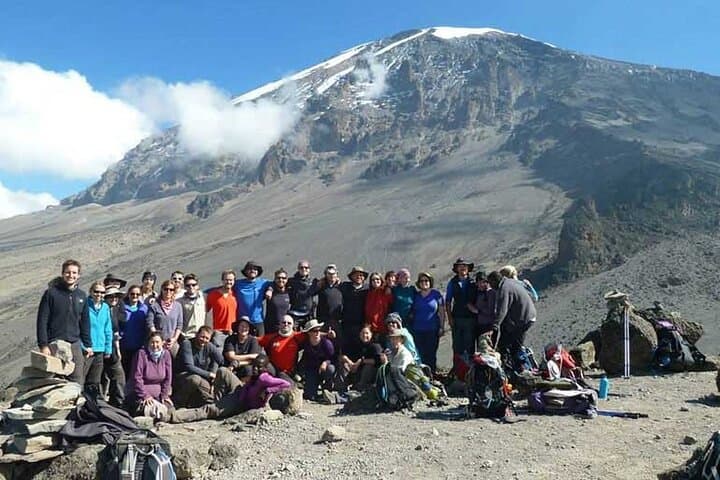
The Marangu or "Coca‑Cola" route is the oldest, most trodden path to Uhuru Peak and the only standard route with dormitory-style huts rather than camping terraces. Geologically, Kilimanjaro is a dormant stratovolcano with the glacier‑scarred Kibo cone at its heart; you pass montane rainforest, giant lobelia moorlands, and a stark alpine desert that feels almost lunar before the final scramble to Gilman’s Point and the summit at 5,895 m.
Local Chagga communities have farmed the mountain’s foothills for generations; porters and guides are often drawn from these villages and carry both practical knowledge and oral histories of the mountain.
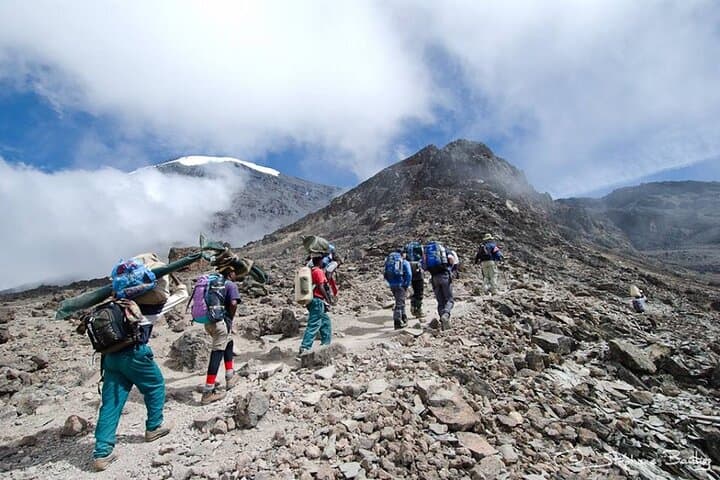
Practically, this 7‑day itinerary spaces acclimatization with an extra night on the Homboro saddle, giving the best balance of summit success and hut comfort. Expect daily gains of 500–1,000 m, muddy forest trails early on, scree above Kibo Hut, and summit approaches that start around midnight—headlamps, layered insulation, and steady pacing are essential.
Hydrate deliberately (aim for 3+ liters a day), use trekking poles to protect knees on long descents, and carry high‑quality sleeping layers for cold, windy summit nights. Book through operators that employ qualified guides and fair‑wage porters; tipping customary and usually earned.
This is a strenuous but non-technical ascent: stamina, respect for altitude, and preparation will get you to the roof of Africa.
challenging.
7 days.
Good aerobic fitness with experience on multi‑day hikes; ability to walk 4–8 hours a day and manage steep scree sections.
No technical mountaineering skills or ropes are required on the Marangu route; the challenge is altitude, steep scree, and prolonged exertion rather than technical rock or ice climbing.
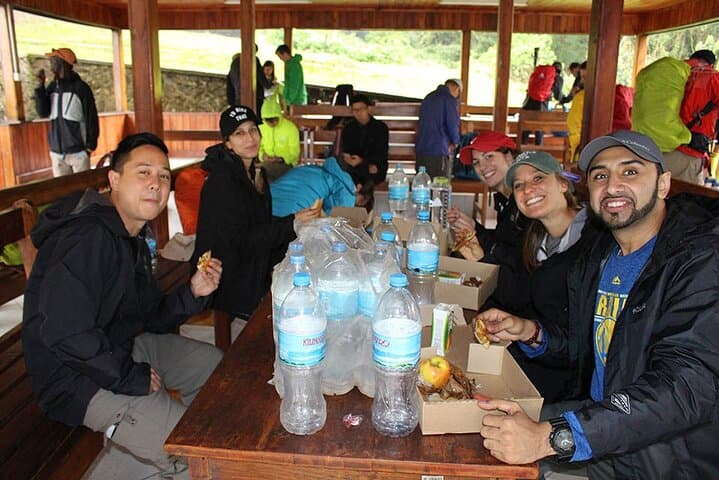
Huts offer dormitory sleeping with mattresses but heating is limited—bring a high‑quality sleeping bag rated for -10°C to be comfortable at higher huts.
Seven days is the standard Marangu schedule and offers reasonable acclimatization, but success varies with individual acclimation, weather, and pacing; an extra acclimatization day increases odds.
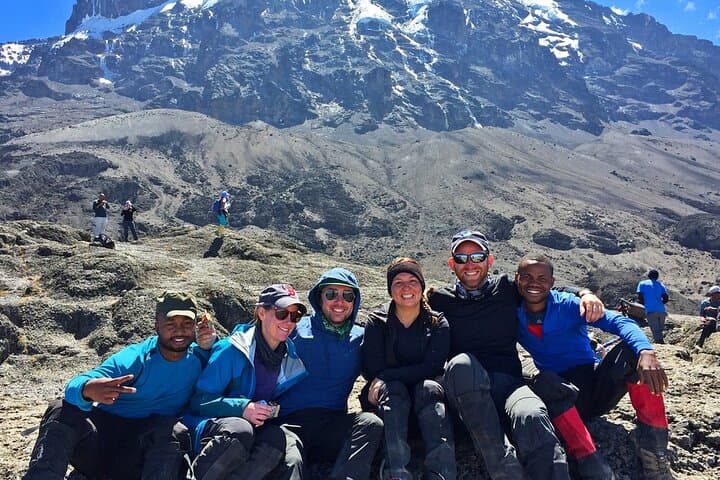
Professional guides and porters are typically included by reputable operators; tipping is customary and appreciated—plan a modest tip shared among team members at trip end.
Chagga people have lived on Kilimanjaro’s southern and eastern slopes for centuries, cultivating banana terraces and trading forest products; the Marangu path has long linked villages to high‑altitude grazing grounds.
Kilimanjaro National Park is a UNESCO World Heritage site; practice Leave No Trace, use certified operators, and minimize single‑use plastics to protect fragile ecosystems and glacial remnants.
Sandpiper Safaris operates guided outdoor trips and adventures with an emphasis on safety, stewardship, and memorable experiences.
Dawn air on the lower slopes tastes like wet earth and eucalyptus; headlamps blink as a convoy of trekkers files out of Mandara Hut and into a sky that will widen with every step.
Dawn air on the lower slopes tastes like wet earth and eucalyptus; headlamps blink as a convoy of trekkers files out of Mandara Hut and into a sky that will widen with every step.
The Marangu or "Coca‑Cola" route is the oldest, most trodden path to Uhuru Peak and the only standard route with dormitory-style huts rather than camping terraces. Geologically, Kilimanjaro is a dormant stratovolcano with the glacier‑scarred Kibo cone at its heart; you pass montane rainforest, giant lobelia moorlands, and a stark alpine desert that feels almost lunar before the final scramble to Gilman’s Point and the summit at 5,895 m.
Local Chagga communities have farmed the mountain’s foothills for generations; porters and guides are often drawn from these villages and carry both practical knowledge and oral histories of the mountain.
Practically, this 7‑day itinerary spaces acclimatization with an extra night on the Homboro saddle, giving the best balance of summit success and hut comfort. Expect daily gains of 500–1,000 m, muddy forest trails early on, scree above Kibo Hut, and summit approaches that start around midnight—headlamps, layered insulation, and steady pacing are essential.
Hydrate deliberately (aim for 3+ liters a day), use trekking poles to protect knees on long descents, and carry high‑quality sleeping layers for cold, windy summit nights. Book through operators that employ qualified guides and fair‑wage porters; tipping customary and usually earned.
This is a strenuous but non-technical ascent: stamina, respect for altitude, and preparation will get you to the roof of Africa.