THE ADVENTURE COLLECTIVE® · Independent discovery and booking for outdoor travel

A quieter, northerly approach to Uhuru Peak, the 7-day Rongai Route trades crowds for sweeping views and a gradual ascent profile. This guide covers terrain, culture, and practical tips to plan the climb.
A quieter, northerly approach to Uhuru Peak, the 7-day Rongai Route trades crowds for sweeping views and a gradual ascent profile. This guide covers terrain, culture, and practical tips to plan the climb.
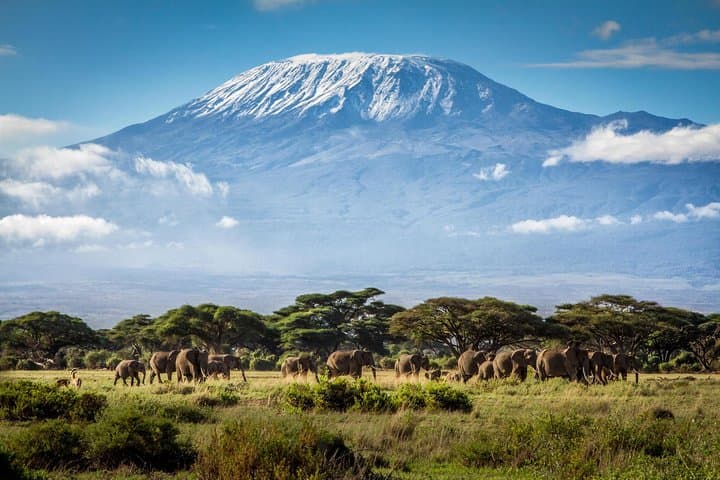
Dawn breaks over the lesser-traveled northern flank of Kilimanjaro and a clean, cold wind pushes across the plains of Kenya, urging climbers onto the trail. The Rongai Route begins with a long drive from Moshi through coffee farms and village roads, then moves into thick forest before opening into moorland. Each day feels like a careful conversation with the mountain: steady, deliberate, and unhurried.
Verified experiences and guided adventures in the surrounding area.
Operated by Unco Adventures · Moshi, Kilimanjaro Region
Dawn breaks over the lesser-traveled northern flank of Kilimanjaro and a clean, cold wind pushes across the plains of Kenya, urging climbers onto the trail. The Rongai Route begins with a long drive from Moshi through coffee farms and village roads, then moves into thick forest before opening into moorland. Each day feels like a careful conversation with the mountain: steady, deliberate, and unhurried.
Geology and culture sit close here. Kilimanjaro is a dormant stratovolcano whose volcanic cones—Kibo and Mawenzi—rise from a shield of ancient lava; the Rongai approach reveals rocky ridgelines and the eastern ice fields that persist from past glacial eras. The Chagga and Maasai communities around Moshi shaped the caravan traditions that still support modern climbs; porters, cooks, and guides are central to summit success and local livelihoods.
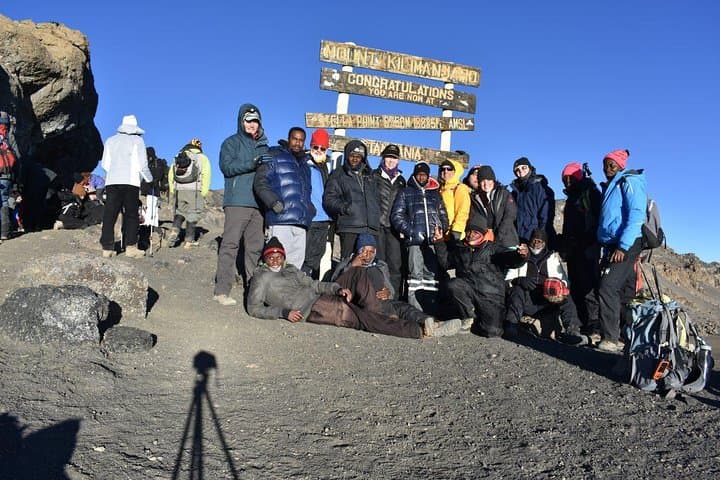
Practically, the route favors gradual daytime gains and a longer itinerary helps acclimatize: expect mixed terrain—forest tracks, heather and moorland, alpine desert and scree—culminating in a tough, nocturnal summit push from Kibo Hut. Hydration, pacing, and layered insulation are non-negotiable: temperatures swing from warm valley mornings to sub-zero summit winds. Gaiters and trekking poles ease the loose volcanic ash on the final ascent. Guides monitor altitude signs and carry emergency oxygen and satellite communication; nevertheless, listen to your body and speak up early.
This seven-day Rongai itinerary rewards with fewer crowds, broad northern views, and a high chance of wildlife sightings on lower slopes. With careful pacing and respect for altitude, climbers trade bustle for quiet expanses and the slow, exacting work of earning Africa's roof.
challenging.
7 days.
Good cardiovascular fitness with experience in long, multi-day hikes; practice with back-to-back hiking days and loaded daypacks.
Rongai is considered one of the easier technical routes because of its gentler gradients and lower rainfall; however summit night is still steep and physically demanding.
Yes—professional guides, cooks and porters are standard; tipping and fair wages are customary and essential to the local economy.
Summit rates depend on fitness and acclimatization; the 7-day schedule improves success odds versus shorter itineraries but no guarantee exists—listen to your guide and health signs.
All national park fees and permits are required and typically included in organized climbs; they fund conservation and mountain management.
Kilimanjaro has been climbed by traders and local guides for centuries; the Chagga people managed agroforestry on its lower slopes, which shaped early access routes.
Kilimanjaros' fragile alpine and glacial environments require strict campsite and waste practices; support operators who pay fair porter wages and use park-approved sanitation.
Unco Adventures operates guided outdoor trips and adventures with an emphasis on safety, stewardship, and memorable experiences.
Dawn breaks over the lesser-traveled northern flank of Kilimanjaro and a clean, cold wind pushes across the plains of Kenya, urging climbers onto the trail. The Rongai Route begins with a long drive from Moshi through coffee farms and village roads, then moves into thick forest before opening into moorland. Each day feels like a careful conversation with the mountain: steady, deliberate, and unhurried.
Dawn breaks over the lesser-traveled northern flank of Kilimanjaro and a clean, cold wind pushes across the plains of Kenya, urging climbers onto the trail. The Rongai Route begins with a long drive from Moshi through coffee farms and village roads, then moves into thick forest before opening into moorland. Each day feels like a careful conversation with the mountain: steady, deliberate, and unhurried.
Geology and culture sit close here. Kilimanjaro is a dormant stratovolcano whose volcanic cones—Kibo and Mawenzi—rise from a shield of ancient lava; the Rongai approach reveals rocky ridgelines and the eastern ice fields that persist from past glacial eras. The Chagga and Maasai communities around Moshi shaped the caravan traditions that still support modern climbs; porters, cooks, and guides are central to summit success and local livelihoods.
Practically, the route favors gradual daytime gains and a longer itinerary helps acclimatize: expect mixed terrain—forest tracks, heather and moorland, alpine desert and scree—culminating in a tough, nocturnal summit push from Kibo Hut. Hydration, pacing, and layered insulation are non-negotiable: temperatures swing from warm valley mornings to sub-zero summit winds. Gaiters and trekking poles ease the loose volcanic ash on the final ascent. Guides monitor altitude signs and carry emergency oxygen and satellite communication; nevertheless, listen to your body and speak up early.
This seven-day Rongai itinerary rewards with fewer crowds, broad northern views, and a high chance of wildlife sightings on lower slopes. With careful pacing and respect for altitude, climbers trade bustle for quiet expanses and the slow, exacting work of earning Africa's roof.