THE ADVENTURE COLLECTIVE® · Independent discovery and booking for outdoor travel

A 7-day circuit that climbs the gentle Sirimon flank, circuits Mount Kenya’s high huts and summits at Point Lenana, then descends the scenic Chogoria gorge. Expect long acclimatization walks, cold nights at high huts, and dramatic alpine scenery.
A 7-day circuit that climbs the gentle Sirimon flank, circuits Mount Kenya’s high huts and summits at Point Lenana, then descends the scenic Chogoria gorge. Expect long acclimatization walks, cold nights at high huts, and dramatic alpine scenery.
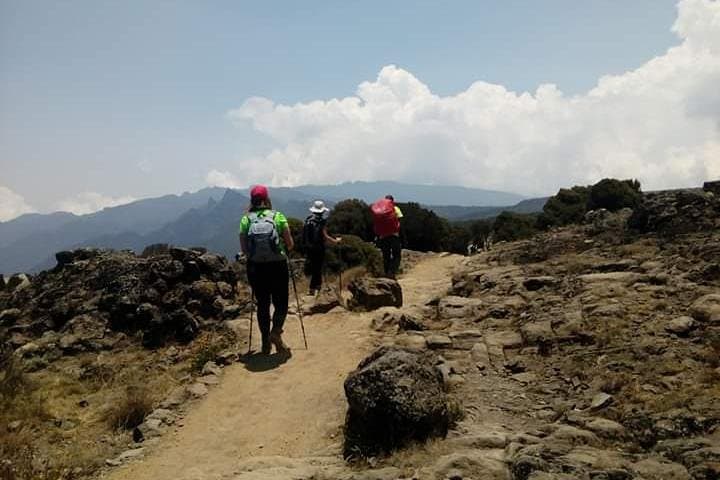
Fog lifts off the high moorland as your group moves from pine forest into a thin alpine sky.
Verified experiences and guided adventures in the surrounding area.
Operated by Africa Tours · Nanyuki, Laikipia County
Fog lifts off the high moorland as your group moves from pine forest into a thin alpine sky.
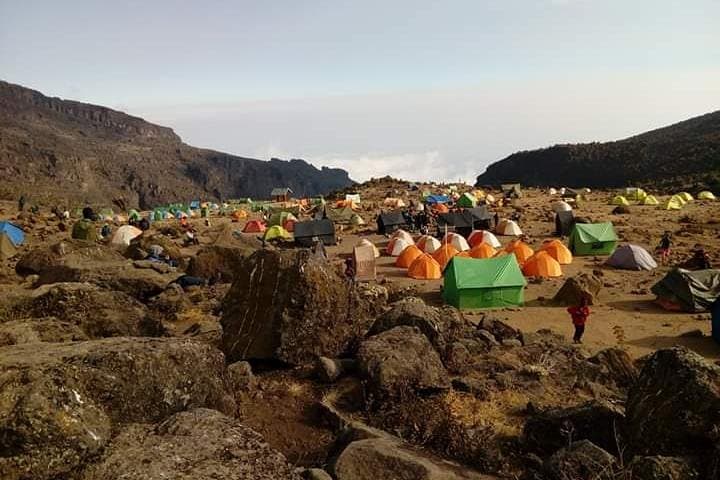
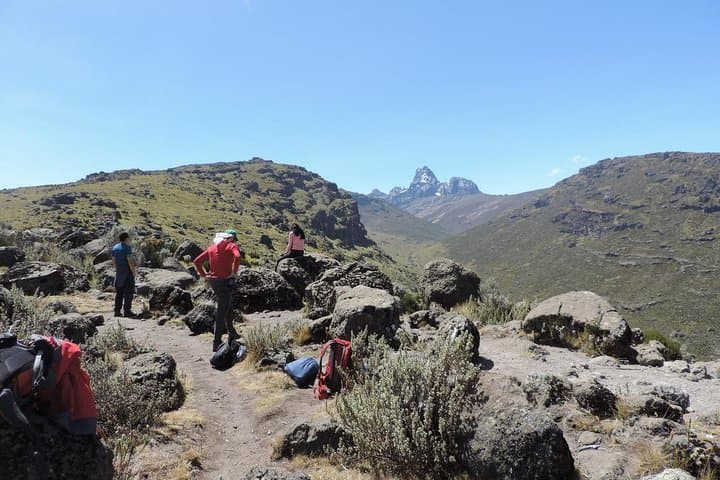
The Sirimon–Chogoria circuit threads the gentlest flank of Mount Kenya up to Shipton’s and Austrian Huts, then loops the summit circuit to Point Lenana (4,985 m) before dropping through the green gorge to Chogoria. The route gives hours of walking at steady inclines, rocky scree sections near the huts, and broad, windy ridgelines where the air feels deliberately thinner.
Mount Kenya is an eroded volcanic core—its jagged peaks are the remnants of a million-year-old shield volcano—and the mountain is woven through local Kikuyu culture as a sacred landscape. Geology shows glacial cirques around Mackinder’s Camp and Halls Tarn; Vivian and Nithi Falls carve the lower forested slopes. Wildlife ranges from colobus monkeys in the forest to elephants and buffalo on the park’s lower plateaus.
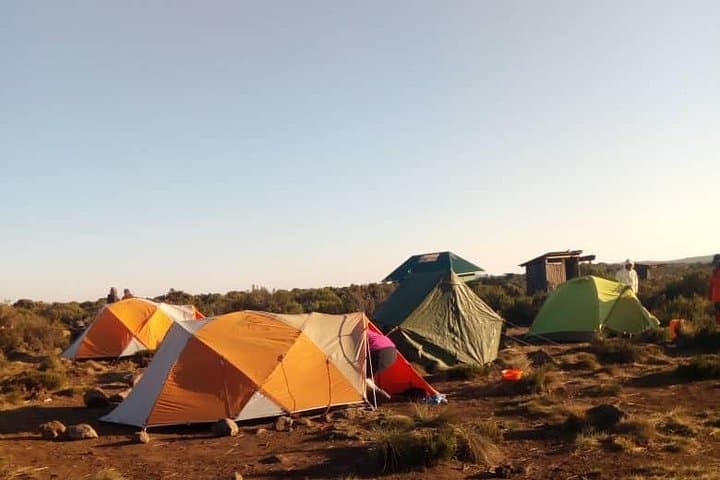
Practical guide: the itinerary is designed for acclimatization with rest days and shorter walks the first two days, but expect 4–8 hours of walking on summit and approach days. Temperatures plummet after dusk; nights at Shipton’s or Austrian Hut are cold and often windy. Hydrate steadily, eat well, and use layered insulation for summit morning. Guides and porters are standard—permits are required at park gates and camping is confined to designated huts and sites.
Pace your summit dawn start, watch for early weather shifts, and plan buffer time in Nairobi for logistics—this is high-altitude trekking that rewards steady feet and patient breathing.
challenging.
7 days.
Comfortable aerobic fitness and prior multi-day trekking experience help; be prepared for consecutive days at altitude and 4–8 hour hiking days.
Yes—Mount Kenya National Park/Goverment permits are required and most operators include licensed guides and porters; independent trekkers must arrange permits in advance.
The standard Sirimon–Chogoria route is non-technical scrambling at the summit approach but involves steep, loose sections; no technical climbing gear is required for Point Lenana.
Point Lenana is just under 5,000 m—acute mountain sickness is possible; follow acclimatization days, hydrate, avoid alcohol, and descend if symptoms worsen.
Typical 7-day packages include hut accommodation, meals as listed, and bottled water; confirm exact inclusions with your operator before booking.
Mount Kenya is the remnant of an ancient shield volcano and holds spiritual significance for the Kikuyu people; its peaks were first summited in the early 20th century.
Mount Kenya National Park is protected and part of a UNESCO biosphere; stick to trails, use official campsites, and minimize human-wildlife interactions to reduce impact.
Africa Tours operates guided outdoor trips and adventures with an emphasis on safety, stewardship, and memorable experiences.
Fog lifts off the high moorland as your group moves from pine forest into a thin alpine sky.
Fog lifts off the high moorland as your group moves from pine forest into a thin alpine sky.
The Sirimon–Chogoria circuit threads the gentlest flank of Mount Kenya up to Shipton’s and Austrian Huts, then loops the summit circuit to Point Lenana (4,985 m) before dropping through the green gorge to Chogoria. The route gives hours of walking at steady inclines, rocky scree sections near the huts, and broad, windy ridgelines where the air feels deliberately thinner.
Mount Kenya is an eroded volcanic core—its jagged peaks are the remnants of a million-year-old shield volcano—and the mountain is woven through local Kikuyu culture as a sacred landscape. Geology shows glacial cirques around Mackinder’s Camp and Halls Tarn; Vivian and Nithi Falls carve the lower forested slopes. Wildlife ranges from colobus monkeys in the forest to elephants and buffalo on the park’s lower plateaus.
Practical guide: the itinerary is designed for acclimatization with rest days and shorter walks the first two days, but expect 4–8 hours of walking on summit and approach days. Temperatures plummet after dusk; nights at Shipton’s or Austrian Hut are cold and often windy. Hydrate steadily, eat well, and use layered insulation for summit morning. Guides and porters are standard—permits are required at park gates and camping is confined to designated huts and sites.
Pace your summit dawn start, watch for early weather shifts, and plan buffer time in Nairobi for logistics—this is high-altitude trekking that rewards steady feet and patient breathing.