THE ADVENTURE COLLECTIVE® · Independent discovery and booking for outdoor travel

Traverse Morocco in seven days—from Casablanca’s waterfront to the blue alleys of Chefchaouen and the windswept dunes of Erg Chebbi. This privately guided tour mixes imperial history, Roman ruins, Atlas landscapes, and a night in a Berber desert camp.
Traverse Morocco in seven days—from Casablanca’s waterfront to the blue alleys of Chefchaouen and the windswept dunes of Erg Chebbi. This privately guided tour mixes imperial history, Roman ruins, Atlas landscapes, and a night in a Berber desert camp.
A wind from the Atlantic meets the heat of the Sahara on this seven-day sweep across Morocco. The tour opens in Casablanca’s broad boulevards and the soaring Hassan II Mosque, then moves inland—blue alleys of Chefchaouen give way to Roman stones at Volubilis, the high cedar stands of the Middle Atlas, and finally the rolling silhouettes of Erg Chebbi.
Verified experiences and guided adventures in the surrounding area.
Operated by Tours Excursions Journeys · Casablanca, Casablanca-Settat
A wind from the Atlantic meets the heat of the Sahara on this seven-day sweep across Morocco. The tour opens in Casablanca’s broad boulevards and the soaring Hassan II Mosque, then moves inland—blue alleys of Chefchaouen give way to Roman stones at Volubilis, the high cedar stands of the Middle Atlas, and finally the rolling silhouettes of Erg Chebbi.
Centuries of trade and empire shaped these routes: Roman mosaics at Volubilis, Almohad minarets in Rabat, and the fortified kasbahs that guarded trans-Saharan caravans. Geologically, you pass folded Atlas ranges and the wind-sculpted dunes of Merzouga, where sand “moves” like a slow ocean and dawn paints ridgelines gold.
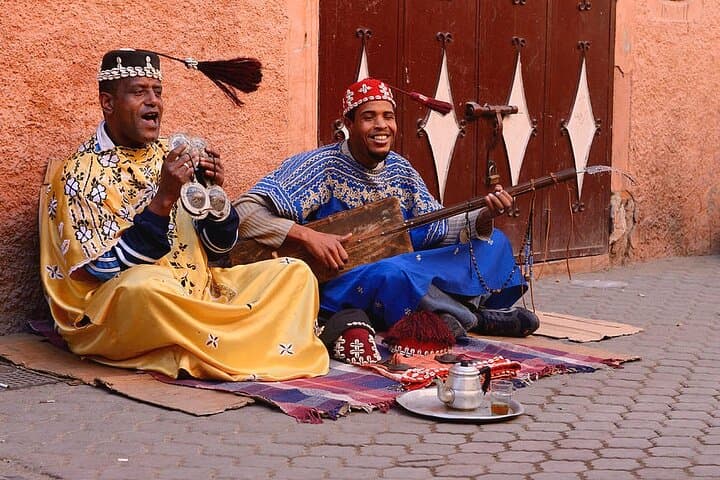
Culturally the rhythm alternates from medina bustle to quiet desert night. Expect local Berber hospitality—shared tea, communal dinners in camp, and guides who read the landscape for water and shelter. Language is primarily Arabic and Tamazight with French widely spoken.
Practically: travel is by air-conditioned vehicle with short hikes and city walking on uneven cobbles. Desert nights can be cold; daytime heat in lowlands can be strong. Bring layered clothing, a good pair of walking shoes for medina lanes, and a refillable water bottle. Plan for early starts to avoid midday heat and allow time in Fes and Marrakech to explore souks on foot. The itinerary balances guided highlights with free moments to wander, making it suitable for travelers who want immersive cultural exposure without technical demands.
moderate.
7 days.
Suitable for travelers with moderate fitness able to handle several hours of walking and multi-hour drives.
Most operators include pickup from Casablanca when specified at booking—confirm your flight details and preferred pickup time.
Desert camps are traditional-style tents with basic bedding and shared facilities; some camps offer private tents and toilets—check your booking inclusions.
The itinerary lists several breakfasts and dinners; expect a mix of included meals and local restaurant options on free evenings.
Walking is moderate: city medina exploration and short walks in gorges or around ruins. No technical hiking or specialized gear required.
The route links Morocco’s imperial cities—Rabat, Meknes, Fes—centers of dynastic power and trade, and follows caravan corridors that moved goods across the Sahara for centuries.
Dune ecosystems are fragile; avoid driving on dunes outside designated paths and respect local water use—support camps using sustainable practices.
Tours Excursions Journeys operates guided outdoor trips and adventures with an emphasis on safety, stewardship, and memorable experiences.

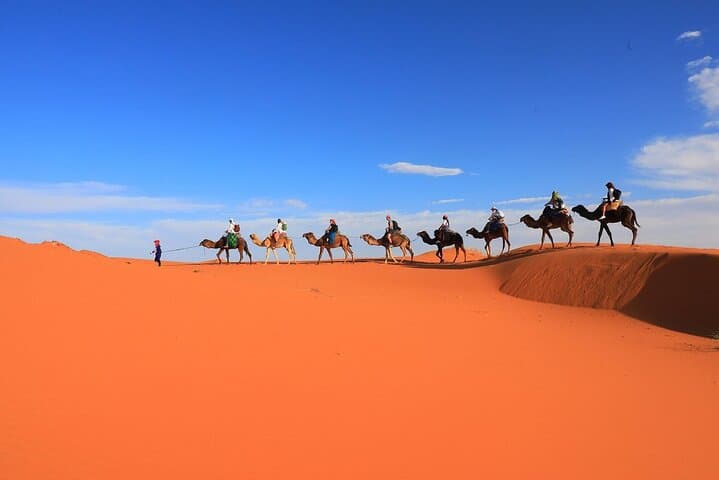

A wind from the Atlantic meets the heat of the Sahara on this seven-day sweep across Morocco. The tour opens in Casablanca’s broad boulevards and the soaring Hassan II Mosque, then moves inland—blue alleys of Chefchaouen give way to Roman stones at Volubilis, the high cedar stands of the Middle Atlas, and finally the rolling silhouettes of Erg Chebbi.
A wind from the Atlantic meets the heat of the Sahara on this seven-day sweep across Morocco. The tour opens in Casablanca’s broad boulevards and the soaring Hassan II Mosque, then moves inland—blue alleys of Chefchaouen give way to Roman stones at Volubilis, the high cedar stands of the Middle Atlas, and finally the rolling silhouettes of Erg Chebbi.
Centuries of trade and empire shaped these routes: Roman mosaics at Volubilis, Almohad minarets in Rabat, and the fortified kasbahs that guarded trans-Saharan caravans. Geologically, you pass folded Atlas ranges and the wind-sculpted dunes of Merzouga, where sand “moves” like a slow ocean and dawn paints ridgelines gold.
Culturally the rhythm alternates from medina bustle to quiet desert night. Expect local Berber hospitality—shared tea, communal dinners in camp, and guides who read the landscape for water and shelter. Language is primarily Arabic and Tamazight with French widely spoken.
Practically: travel is by air-conditioned vehicle with short hikes and city walking on uneven cobbles. Desert nights can be cold; daytime heat in lowlands can be strong. Bring layered clothing, a good pair of walking shoes for medina lanes, and a refillable water bottle. Plan for early starts to avoid midday heat and allow time in Fes and Marrakech to explore souks on foot. The itinerary balances guided highlights with free moments to wander, making it suitable for travelers who want immersive cultural exposure without technical demands.