THE ADVENTURE COLLECTIVE® · Independent discovery and booking for outdoor travel

Cross Morocco in seven days: imperial cities, Roman ruins and a night under the Saharan stars. This private tour blends guided city walks, camel rides at Merzouga and comfortable riads along a scenic overland route.
Cross Morocco in seven days: imperial cities, Roman ruins and a night under the Saharan stars. This private tour blends guided city walks, camel rides at Merzouga and comfortable riads along a scenic overland route.
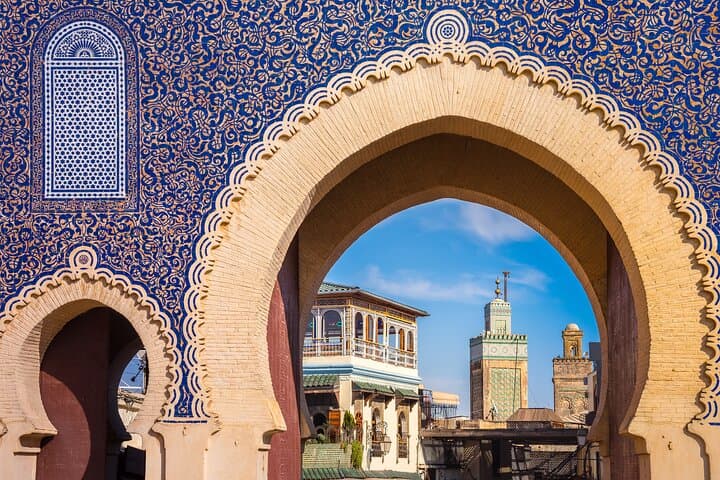
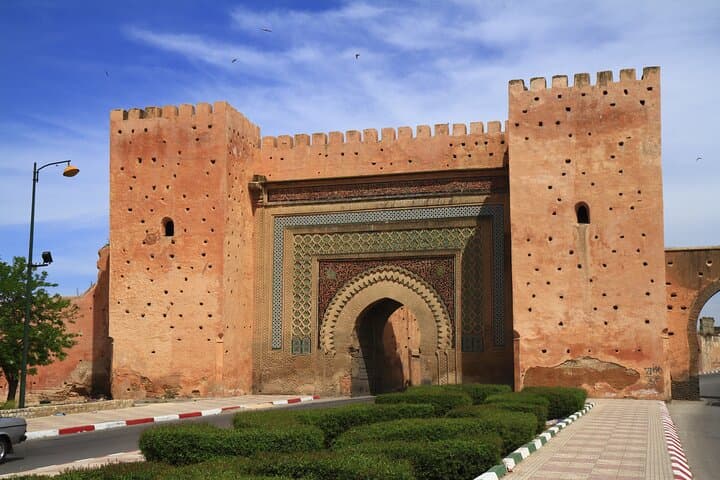
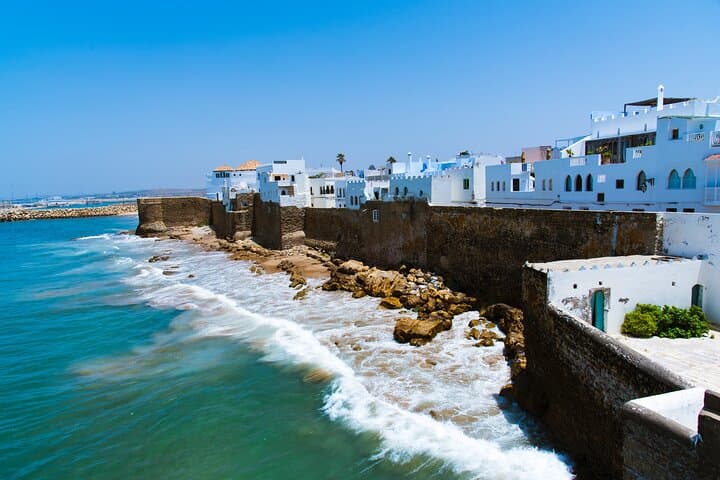
The first light over Casablanca gives way to a road that threads imperial gates, cedar forests and the dunes of the Sahara — seven days of Morocco compressed into a looping journey from Atlantic coast to desert sea.
Verified experiences and guided adventures in the surrounding area.
Operated by Discover Morocco Tours · Casablanca, Casablanca-Settat
The first light over Casablanca gives way to a road that threads imperial gates, cedar forests and the dunes of the Sahara — seven days of Morocco compressed into a looping journey from Atlantic coast to desert sea.
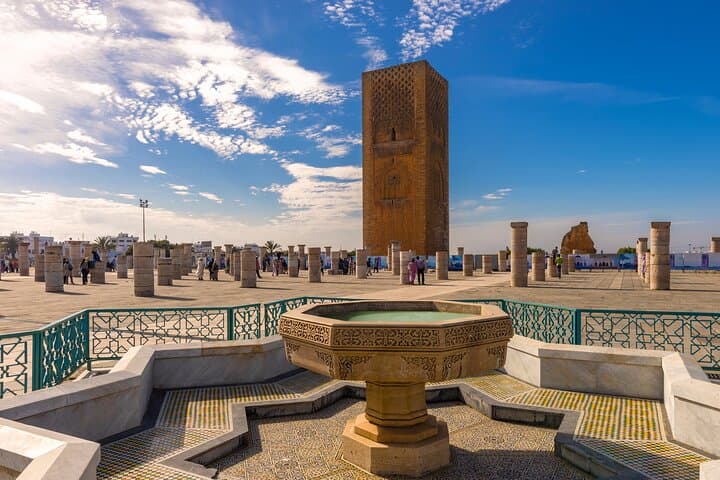
You begin with modern Casablanca and Rabat’s Almohad monuments, then step into the blue-washed medina of Chefchaouen and the packed alleys of Fes, where leather vats and madrasa courtyards speak to centuries of craft and scholarship. Southward the landscape changes: Middle Atlas cedar forests give way to the Ziz Gorge, wide palm oases and the ochre rock around Erfoud. At Merzouga the sand rises into Ergs of fine, wind-swept dunes; camel saddles creak at sunset and the night sky opens above a luxury desert camp.
The route links Roman Volubilis and Moulay Idriss, Almoravid and Alaouite legacies in fortified kasbahs, and the trading routes that shaped Morocco’s urban centers. Geologically the trip crosses folded mountains, limestone gorges and Holocene aeolian deposits that formed the Erg Chebbi dunes.
Practical guidance: plan for long drives—daily stretches can be 4–7 hours—so choose comfortable transport and earplugs for naps. Bring layered clothing for hot days and cool desert nights, sturdy shoes for cobbled medina streets and a small daypack for market purchases. Carry photocopies of travel documents, local currency for souks, and a reusable water bottle; hydration is essential in the south. Travel at the shoulder seasons to avoid extreme heat and to get quieter riads and camps.
moderate.
7 days.
Moderate: able to handle several hours of walking on uneven surfaces and multiple long vehicle transfers.
No. The tour begins and ends in Casablanca; international flights to/from Casablanca are not included.
Yes. Camel rides are short (sunset and sunrise options), led by experienced handlers; staff assist mounting and dismounting.
Yes. Accommodations for 6 nights — riads in cities and a luxury camp in Merzouga — are included as described in the itinerary.
Transport options are wheelchair accessible according to the operator, but many historical sites, medina streets and the desert camp have uneven surfaces and limited access.
The route links Morocco’s imperial capitals—Fes, Meknes, Marrakech—and Roman Volubilis, reflecting Roman, Berber and Arab layers of settlement and trade.
Water scarcity and fragile dune ecosystems mean limiting waste, avoiding off-track driving on dunes, and supporting local guides and riads that follow sustainable practices.
Discover Morocco Tours operates guided outdoor trips and adventures with an emphasis on safety, stewardship, and memorable experiences.
The first light over Casablanca gives way to a road that threads imperial gates, cedar forests and the dunes of the Sahara — seven days of Morocco compressed into a looping journey from Atlantic coast to desert sea.
The first light over Casablanca gives way to a road that threads imperial gates, cedar forests and the dunes of the Sahara — seven days of Morocco compressed into a looping journey from Atlantic coast to desert sea.
You begin with modern Casablanca and Rabat’s Almohad monuments, then step into the blue-washed medina of Chefchaouen and the packed alleys of Fes, where leather vats and madrasa courtyards speak to centuries of craft and scholarship. Southward the landscape changes: Middle Atlas cedar forests give way to the Ziz Gorge, wide palm oases and the ochre rock around Erfoud. At Merzouga the sand rises into Ergs of fine, wind-swept dunes; camel saddles creak at sunset and the night sky opens above a luxury desert camp.
The route links Roman Volubilis and Moulay Idriss, Almoravid and Alaouite legacies in fortified kasbahs, and the trading routes that shaped Morocco’s urban centers. Geologically the trip crosses folded mountains, limestone gorges and Holocene aeolian deposits that formed the Erg Chebbi dunes.
Practical guidance: plan for long drives—daily stretches can be 4–7 hours—so choose comfortable transport and earplugs for naps. Bring layered clothing for hot days and cool desert nights, sturdy shoes for cobbled medina streets and a small daypack for market purchases. Carry photocopies of travel documents, local currency for souks, and a reusable water bottle; hydration is essential in the south. Travel at the shoulder seasons to avoid extreme heat and to get quieter riads and camps.