THE ADVENTURE COLLECTIVE® · Independent discovery and booking for outdoor travel

Witness one of nature’s great migrations on a 7-day eco tour from Mexico City. Move from city museums to remote high-forest sanctuaries, then unwind by Valle de Bravo’s lake while local guides focus on low-impact viewing and conservation.
Witness one of nature’s great migrations on a 7-day eco tour from Mexico City. Move from city museums to remote high-forest sanctuaries, then unwind by Valle de Bravo’s lake while local guides focus on low-impact viewing and conservation.
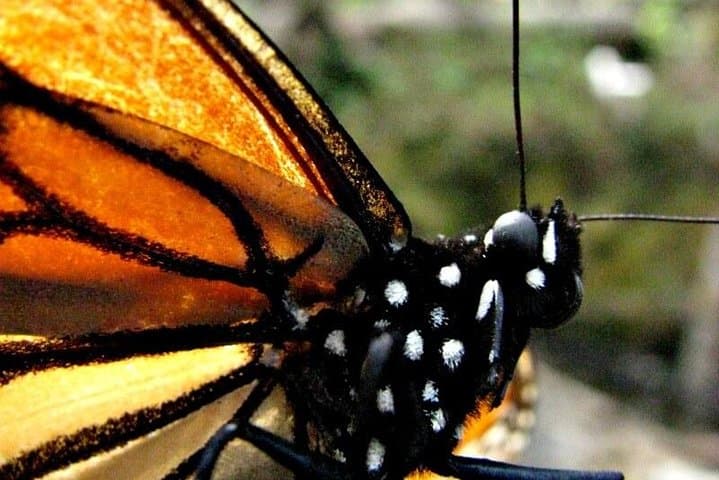
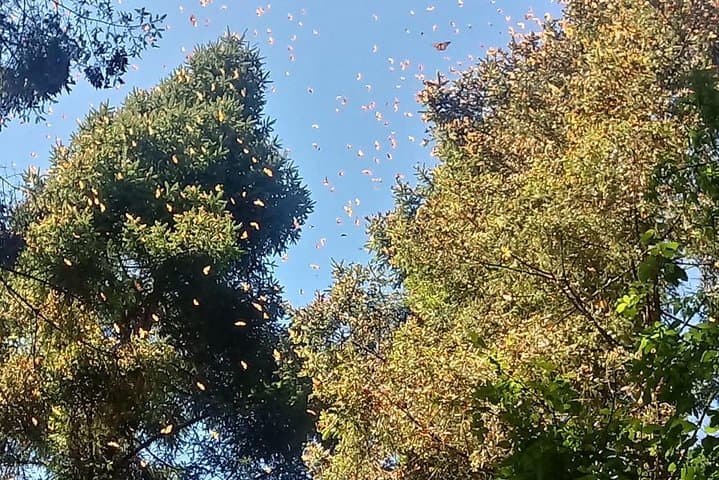
Dawn finds you on a pine-scented slope, the air cold enough to make breath visible while a river of orange-and-black wings drifts like smoke between trunks. Over seven days this eco-friendly tour moves from urban Mexico City into the high forests where monarchs cluster by the thousands, then down to Valle de Bravo’s lake-fed valley for a softer finish.
Verified experiences and guided adventures in the surrounding area.
Operated by EcoColors Mexico · Mexico City, Mexico City
Dawn finds you on a pine-scented slope, the air cold enough to make breath visible while a river of orange-and-black wings drifts like smoke between trunks. Over seven days this eco-friendly tour moves from urban Mexico City into the high forests where monarchs cluster by the thousands, then down to Valle de Bravo’s lake-fed valley for a softer finish.
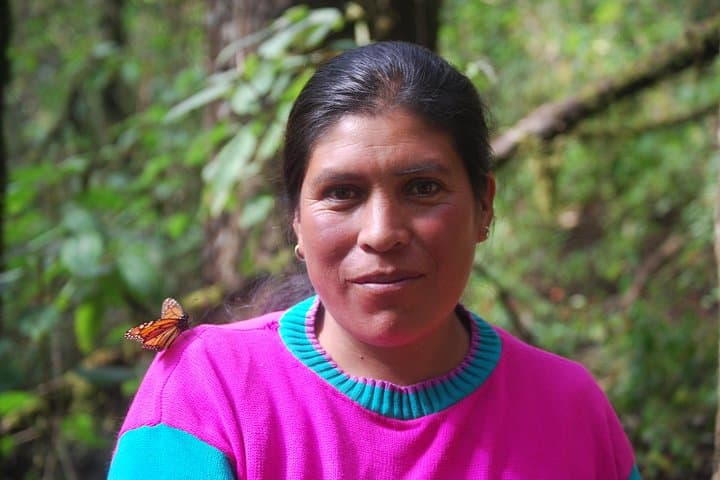
The monarch migration was first documented in the mid-20th century and protected sites in Michoacán and the State of México are part of a UNESCO-recognized biosphere. Geologically the region is volcanic highland—steep ridges, volcanic soils and mixed pine-fir stands that create the cool microclimate monarchs need to overwinter. Culturally you’ll pass colonial plazas, artisan markets in Valle de Bravo and small mountain communities whose livelihoods now include conservation-minded guiding.
Expect a mix of short guided walks at sanctuaries (some mounted horseback approach at Piedra Herrada), museum time in Mexico City, and a free day on Valle de Bravo’s lake for optional water sports. Practicalities: mornings are cold (layer up), trails can be muddy and steep, and altitude around 2,200–3,000 m can make exertion feel harder. Guides handle logistics, transport and most breakfasts; bring sunscreen, water, and a camera with a telephoto lens if you want close-up shots without disturbing clusters.
This is wildlife-focused travel: keep distance from roosts, follow guide instructions, and budget quiet time at viewing sites — the experience is equal parts spectacle and stewardship.
moderate.
7 days.
Good basic fitness; able to handle short uphill walks at altitude and some uneven terrain
Peak viewing typically runs from late October through February when monarchs form large roosting clusters in the high-forest sanctuaries.
Visits involve short hikes, some steep sections and steps; Piedra Herrada may include horseback transport for part of the approach—moderate fitness is recommended.
Children can join but infants must sit on a lap and the trip is not recommended for those with back, heart or pregnancy restrictions per operator guidelines.
Beyond monarchs you may spot white-tailed deer, Mexican jay and other highland birds in pine-fir forests.
The migration route was documented in the 20th century and protected sanctuaries in Michoacán and the State of México are part of a UNESCO Biosphere Reserve to preserve critical overwintering sites.
Local ecotourism supports community guardianship of forests. Logging and climate change remain threats—follow low-impact practices and local guidelines to reduce disturbance.
EcoColors Mexico operates guided outdoor trips and adventures with an emphasis on safety, stewardship, and memorable experiences.

Dawn finds you on a pine-scented slope, the air cold enough to make breath visible while a river of orange-and-black wings drifts like smoke between trunks. Over seven days this eco-friendly tour moves from urban Mexico City into the high forests where monarchs cluster by the thousands, then down to Valle de Bravo’s lake-fed valley for a softer finish.
Dawn finds you on a pine-scented slope, the air cold enough to make breath visible while a river of orange-and-black wings drifts like smoke between trunks. Over seven days this eco-friendly tour moves from urban Mexico City into the high forests where monarchs cluster by the thousands, then down to Valle de Bravo’s lake-fed valley for a softer finish.
The monarch migration was first documented in the mid-20th century and protected sites in Michoacán and the State of México are part of a UNESCO-recognized biosphere. Geologically the region is volcanic highland—steep ridges, volcanic soils and mixed pine-fir stands that create the cool microclimate monarchs need to overwinter. Culturally you’ll pass colonial plazas, artisan markets in Valle de Bravo and small mountain communities whose livelihoods now include conservation-minded guiding.
Expect a mix of short guided walks at sanctuaries (some mounted horseback approach at Piedra Herrada), museum time in Mexico City, and a free day on Valle de Bravo’s lake for optional water sports. Practicalities: mornings are cold (layer up), trails can be muddy and steep, and altitude around 2,200–3,000 m can make exertion feel harder. Guides handle logistics, transport and most breakfasts; bring sunscreen, water, and a camera with a telephoto lens if you want close-up shots without disturbing clusters.
This is wildlife-focused travel: keep distance from roosts, follow guide instructions, and budget quiet time at viewing sites — the experience is equal parts spectacle and stewardship.