THE ADVENTURE COLLECTIVE® · Independent discovery and booking for outdoor travel

Spend seven days crossing Da Nang’s modern riverfront, the misty cable-car reaches of Ba Na Hills, the riverside charm of Hoi An, and Hue’s imperial citadel. This itinerary mixes cool mountain air, coastal views, and hands-on cultural experiences.
Spend seven days crossing Da Nang’s modern riverfront, the misty cable-car reaches of Ba Na Hills, the riverside charm of Hoi An, and Hue’s imperial citadel. This itinerary mixes cool mountain air, coastal views, and hands-on cultural experiences.
A humid morning in Da Nang unfurls with the clatter of street vendors and the Han River threading the city like a cool ribbon. Within hours you can be riding a cable car into clouds at Ba Na Hills, the Golden Bridge curving across a mist-cooled ridge at roughly 1,400 m, or wandering lamp-lit lanes in Hoi An where rooflines still remember Chinese and Japanese traders.
Verified experiences and guided adventures in the surrounding area.
Operated by Number 1 Travel Vietnam · Da Nang, Da Nang
A humid morning in Da Nang unfurls with the clatter of street vendors and the Han River threading the city like a cool ribbon. Within hours you can be riding a cable car into clouds at Ba Na Hills, the Golden Bridge curving across a mist-cooled ridge at roughly 1,400 m, or wandering lamp-lit lanes in Hoi An where rooflines still remember Chinese and Japanese traders.
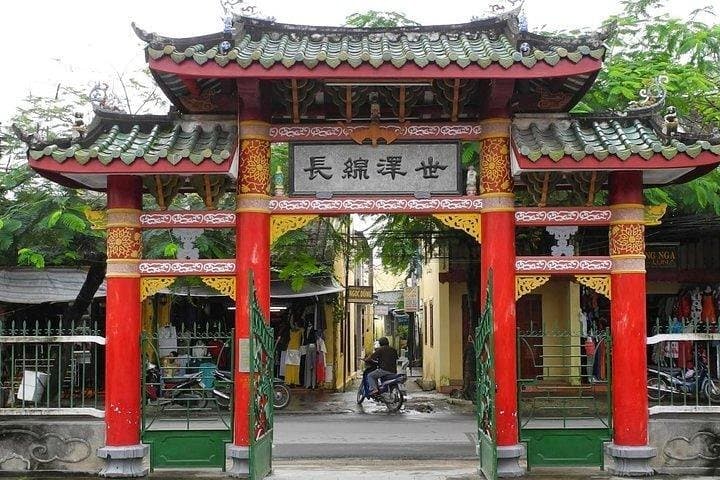
This seven-day loop ties coastal geology and imperial history together: the limestone outcrops of Marble Mountains and the coastal sweep of the Hai Van Pass give way to Hue’s citadel, the seat of the Nguyễn emperors. Hoi An preserves merchant houses, covered bridges and assembly halls that show centuries of cross-cultural exchange—architecture that reads like a living ledger of trade.
Expect varied terrain: city streets, cliffside cable-car access, lowland rice paddies and short village trails. Ba Na’s elevation delivers cooler temperatures and occasional fog; Lang Co and the Hai Van viewpoints offer broad coastal panoramas. Cultural highlights include a hands-on cooking class in Cam Thanh and a countryside Vespa loop across rice paddies to artisan workshops.
Practical guide: travel light between towns—private transfers and hotel pickups are standard on organized tours—carry a rain shell for sudden downpours, and allow flexibility for weather through Hai Van Tunnel or pass. Morning is best for Hoi An’s Ancient Town to avoid crowds and take advantage of softer light for photos. Stay hydrated in lowlands, bring insect repellent for riverside trips, and budget local cash for small vendors.
moderate.
6–7 days.
Suitable for travelers with basic fitness who can manage several hours of walking and short climbs; not strenuous but involves stairs and uneven surfaces.
Visa rules vary by nationality; some countries have visa exemptions or e-visa options—check Vietnam’s official immigration site well before travel.
Yes—most activities are family-friendly; Ba Na Hills and Hoi An are accessible for children, but supervise younger kids on busy bridges and festival areas.
Expect short urban walks (1–4 km) and moderate walking at heritage sites and markets; Ba Na Hills includes stairs and elevated walkways at the bridge.
This private tour lists several lunches, private transfers and hotel pick-ups; check the specific itinerary for which meals and entrance fees are covered.
Hoi An flourished as a multinational trading port from the 15th to 19th centuries; Hue served as Vietnam’s imperial capital under the Nguyễn dynasty (1802–1945).
Rising visitation stresses fragile heritage zones and mountain ecosystems—stick to marked paths, avoid single-use plastics, and support local craft workshops and sustainable operators.
Number 1 Travel Vietnam operates guided outdoor trips and adventures with an emphasis on safety, stewardship, and memorable experiences.
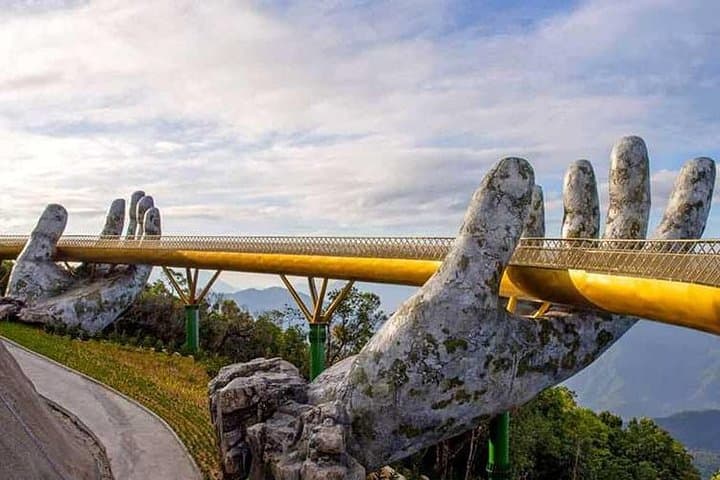
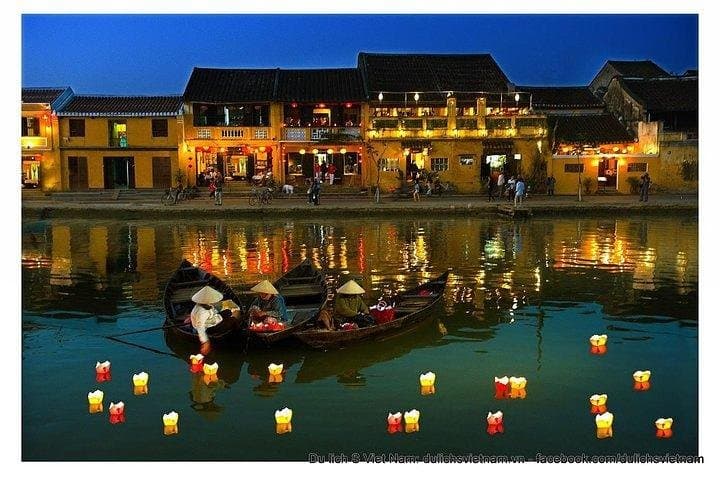

A humid morning in Da Nang unfurls with the clatter of street vendors and the Han River threading the city like a cool ribbon. Within hours you can be riding a cable car into clouds at Ba Na Hills, the Golden Bridge curving across a mist-cooled ridge at roughly 1,400 m, or wandering lamp-lit lanes in Hoi An where rooflines still remember Chinese and Japanese traders.
A humid morning in Da Nang unfurls with the clatter of street vendors and the Han River threading the city like a cool ribbon. Within hours you can be riding a cable car into clouds at Ba Na Hills, the Golden Bridge curving across a mist-cooled ridge at roughly 1,400 m, or wandering lamp-lit lanes in Hoi An where rooflines still remember Chinese and Japanese traders.
This seven-day loop ties coastal geology and imperial history together: the limestone outcrops of Marble Mountains and the coastal sweep of the Hai Van Pass give way to Hue’s citadel, the seat of the Nguyễn emperors. Hoi An preserves merchant houses, covered bridges and assembly halls that show centuries of cross-cultural exchange—architecture that reads like a living ledger of trade.
Expect varied terrain: city streets, cliffside cable-car access, lowland rice paddies and short village trails. Ba Na’s elevation delivers cooler temperatures and occasional fog; Lang Co and the Hai Van viewpoints offer broad coastal panoramas. Cultural highlights include a hands-on cooking class in Cam Thanh and a countryside Vespa loop across rice paddies to artisan workshops.
Practical guide: travel light between towns—private transfers and hotel pickups are standard on organized tours—carry a rain shell for sudden downpours, and allow flexibility for weather through Hai Van Tunnel or pass. Morning is best for Hoi An’s Ancient Town to avoid crowds and take advantage of softer light for photos. Stay hydrated in lowlands, bring insect repellent for riverside trips, and budget local cash for small vendors.