THE ADVENTURE COLLECTIVE® · Independent discovery and booking for outdoor travel

A seven-day loop from Marrakech that packs High Atlas passes, UNESCO kasbahs, narrow gorges and the sand seas of Erg Chebbi into one accessible adventure. Expect scenic drives, short hikes, a camel-led bivouac, and a steady serving of Berber hospitality.
A seven-day loop from Marrakech that packs High Atlas passes, UNESCO kasbahs, narrow gorges and the sand seas of Erg Chebbi into one accessible adventure. Expect scenic drives, short hikes, a camel-led bivouac, and a steady serving of Berber hospitality.
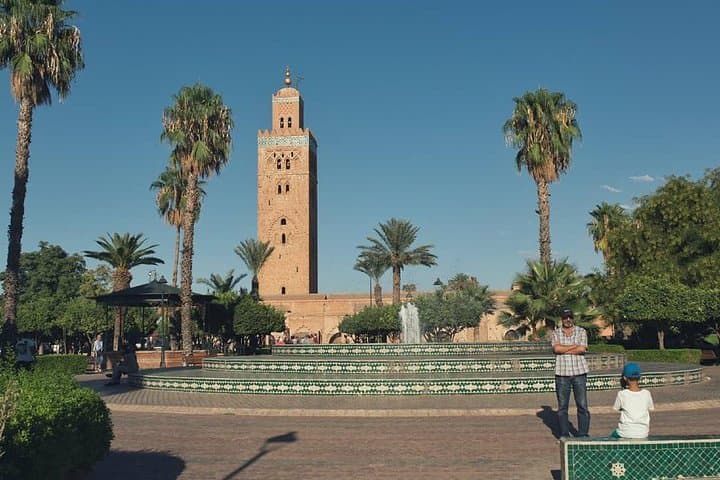
The minivan eases out of Marrakech at dawn, the Koutoubia skyline shrinking as the road climbs into the High Atlas. Air thins and the landscape tightens — terraced farms, ochre kasbahs and then the Tizi n'Tichka pass at 2,260 m, where winds rearrange the clouds and valleys stretch like chapters in a geology book.
Verified experiences and guided adventures in the surrounding area.
Operated by Morocco Classic Tours · Marrakech, Marrakesh-Safi
The minivan eases out of Marrakech at dawn, the Koutoubia skyline shrinking as the road climbs into the High Atlas. Air thins and the landscape tightens — terraced farms, ochre kasbahs and then the Tizi n'Tichka pass at 2,260 m, where winds rearrange the clouds and valleys stretch like chapters in a geology book.
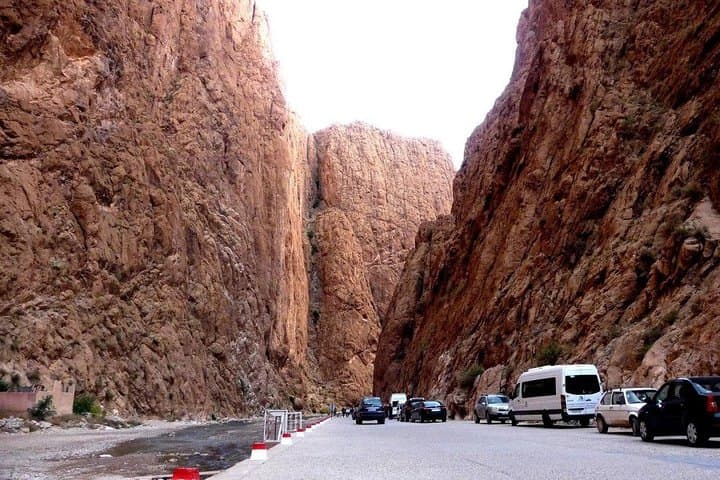
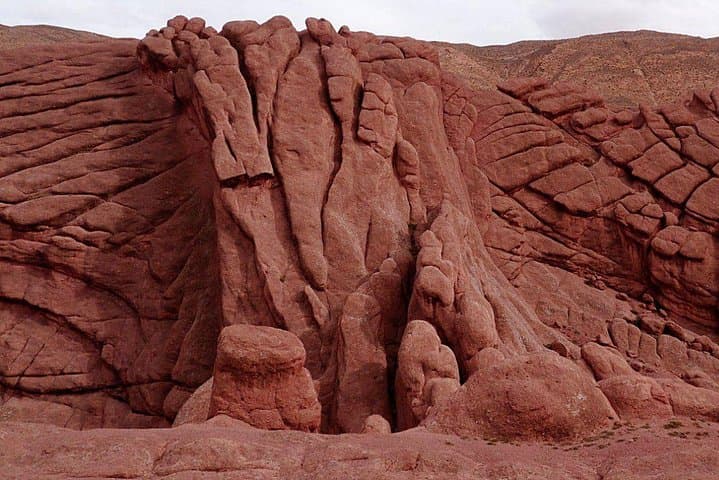
Across seven days the route threads UNESCO-listed Ait Ben Haddou, the film-facing studios of Ouarzazate, the sculpted fingers of the Dades Valley and the sheer, 300 m walls of Todra Gorge. Geology here is readable: folded sedimentary layers, wind-polished sandstone, and the star-shaped dunes of Erg Chebbi, which seem to breathe with each gust. Culture follows the contours — Berber villages perched on ridgelines, palm-lined oases of the Draa, and nomad camps outside Merzouga where camel drivers still read the dunes like maps.
Practical details are straightforward: expect long scenic drives interspersed with short walks and cultural stops; the camel trek into the desert is gentle but uneven; nights alternate between riads and a desert bivouac. Bring layered clothing for warm days and chilly nights, sturdy shoes for gorges, a sun hat and at least 2–3 liters of water per day. Carry passport copies and local-currency cash for small purchases and tipping. Timing matters — sunrise and sunset transform the dunes and the Tizi n'Tichka views are clearest in morning light. Respect local customs (conservative dress in villages) and leave no trace in fragile desert and mountain environments. This itinerary balances accessible adventure with immersive landscapes — mountains daring you onward, dunes inviting slow, considered travel.
moderate.
7 days.
Suitable for travelers in good general health; days include several hours of driving with short walks, a camel ride and one night in a desert bivouac.
Expect several hours of driving on most days (typically 4–6 hours) with stops for viewpoints, villages and short walks.
Desert bivouacs vary from basic to 'luxe' setups; the itinerary lists a luxury bivouac option — bring a liner for warmth and check mattress/blanket specifics with the operator.
A licensed guide is optional but recommended for the Medina to navigate souks, understand local history and negotiate purchases safely.
The pass reaches about 2,260 m; most travelers experience only mild effects — stay hydrated and move slowly if you are sensitive to altitude.
This corridor has long been a crossroads between sub-Saharan trade routes and Mediterranean centers; ksars and kasbahs reflect centuries of Berber, Arab and caravan influences.
Desert ecosystems are fragile — avoid driving on dune faces, use established camp etiquette and support local guides who practice low-impact tourism.
Morocco Classic Tours operates guided outdoor trips and adventures with an emphasis on safety, stewardship, and memorable experiences.
The minivan eases out of Marrakech at dawn, the Koutoubia skyline shrinking as the road climbs into the High Atlas. Air thins and the landscape tightens — terraced farms, ochre kasbahs and then the Tizi n'Tichka pass at 2,260 m, where winds rearrange the clouds and valleys stretch like chapters in a geology book.
The minivan eases out of Marrakech at dawn, the Koutoubia skyline shrinking as the road climbs into the High Atlas. Air thins and the landscape tightens — terraced farms, ochre kasbahs and then the Tizi n'Tichka pass at 2,260 m, where winds rearrange the clouds and valleys stretch like chapters in a geology book.
Across seven days the route threads UNESCO-listed Ait Ben Haddou, the film-facing studios of Ouarzazate, the sculpted fingers of the Dades Valley and the sheer, 300 m walls of Todra Gorge. Geology here is readable: folded sedimentary layers, wind-polished sandstone, and the star-shaped dunes of Erg Chebbi, which seem to breathe with each gust. Culture follows the contours — Berber villages perched on ridgelines, palm-lined oases of the Draa, and nomad camps outside Merzouga where camel drivers still read the dunes like maps.
Practical details are straightforward: expect long scenic drives interspersed with short walks and cultural stops; the camel trek into the desert is gentle but uneven; nights alternate between riads and a desert bivouac. Bring layered clothing for warm days and chilly nights, sturdy shoes for gorges, a sun hat and at least 2–3 liters of water per day. Carry passport copies and local-currency cash for small purchases and tipping. Timing matters — sunrise and sunset transform the dunes and the Tizi n'Tichka views are clearest in morning light. Respect local customs (conservative dress in villages) and leave no trace in fragile desert and mountain environments. This itinerary balances accessible adventure with immersive landscapes — mountains daring you onward, dunes inviting slow, considered travel.