THE ADVENTURE COLLECTIVE® · Independent discovery and booking for outdoor travel

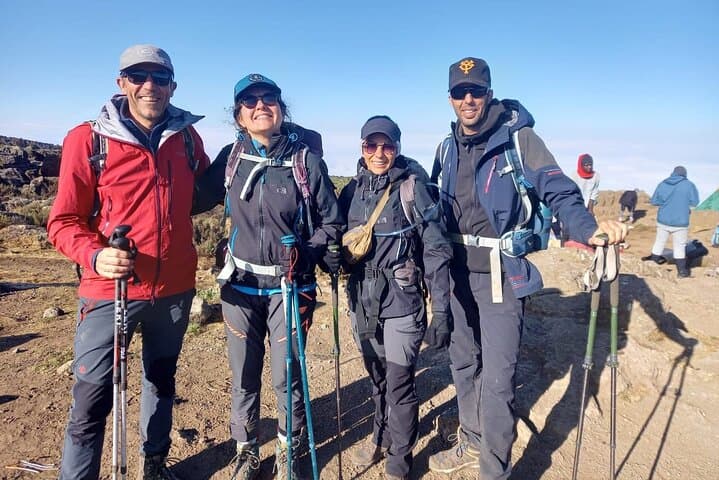
Take the classic 7‑day Marangu Route up Kilimanjaro: hut nights, steady acclimatization hikes and a midnight summit push to Uhuru Peak. This private itinerary balances comfort and reputation with the hard realities of altitude and weather.
Take the classic 7‑day Marangu Route up Kilimanjaro: hut nights, steady acclimatization hikes and a midnight summit push to Uhuru Peak. This private itinerary balances comfort and reputation with the hard realities of altitude and weather.
The day begins before dawn in Moshi with the scent of strong coffee and a driver who knows every pothole to the park gate. You leave the town lights behind and drop into a wet green world: the Marangu Route starts in cloud forest where moss hangs heavy from branches, ferns brush your calves and the trail threads through shards of sunlight and mist. Porters shoulder canvas and cooking gear; your hut key and a warm meal await at Mandara.
Verified experiences and guided adventures in the surrounding area.
Operated by Kilimanjaro Heroes Adventures · Moshi, Kilimanjaro Region
The day begins before dawn in Moshi with the scent of strong coffee and a driver who knows every pothole to the park gate. You leave the town lights behind and drop into a wet green world: the Marangu Route starts in cloud forest where moss hangs heavy from branches, ferns brush your calves and the trail threads through shards of sunlight and mist. Porters shoulder canvas and cooking gear; your hut key and a warm meal await at Mandara.
Marangu is the oldest established route on Kilimanjaro, the so-called Coca‑Cola route because of huts and basic comforts that make it feel less expeditionary and more communal. The mountain itself is a collapsed stratovolcano: a dome of volcanic rock whose Kibo and Mawenzi peaks are the remnant rims of ancient eruptions. As you climb from 1,860m at the gate up to Uhuru Peak’s 5,895m, the landscape steps through biomes — dense montane forest, moorland peppered with giant lobelia, then a lunar saddle of scree and volcanic ash.
Culture threads through the walk. Guides and porters are often from Chagga communities on Kilimanjaro’s lower slopes; their songs and stories on the trail double as weather reports. History rides with you too: the first recorded ascent of Kibo completed by Hans Meyer in 1889 and the route’s decades-long role shaping early Kilimanjaro tourism.
Practical care underpins the romance. The itinerary spaces acclimatization with an outing to Zebra Rocks and a rest day at Horombo Hut to slow your ascent — a vital hedge against acute mountain sickness. Summit night is long and deliberate: you rise around midnight, sip tea, and move at a steady pole pole (Swahili for “slowly, slowly”) pace to the crater rim for sunrise at Gillman’s Point, then push to Uhuru Peak.
Huts mean you sleep off the trail each night, but conditions are basic: communal sleeping, shared toilets, and early dinners. Porters handle the heavy loads, but packing light and layering smartly makes hut life easier. Expect long descents of volcanic scree that will jar knees, and bring gaiters for the fine ash on summit day.
Choose a 7‑day itinerary like this if you want a clear schedule, hut accommodation, and a firm summit plan with logistical pickup from Kilimanjaro International Airport. Train with uphill walking, long days carrying a 10–12kg pack, and practice walking at altitude if possible. Hydration, slow pacing, and listening to your guide are the most reliable tools you bring. When you step onto Uhuru Peak at sunrise, the cold will be sharp, the sky massive, and the effort suddenly, quietly worthwhile.
difficult.
6–7 days.
Good aerobic fitness with experience on multi‑day hikes; able to carry a daypack and walk 5–8 hours with breaks.
No technical climbing skills are required—this is non‑technical trekking—but previous multi‑day hiking experience and good fitness help.
Success depends on acclimatization and health; this 7‑day plan increases odds versus shorter Marangu itineraries, but altitude still affects some climbers.
Huts are communal with dormitory beds, shared toilets and dining halls; bring a warm sleeping bag and small personal items for comfort.
Symptoms can start above 3,000m—drink, rest, and report issues early; operators carry oxygen cylinders for emergencies but prevention is primary.
Tipping is customary; plan to tip guides and porters at end of trek in cash—ask your operator for recommended amounts.
Dry months (June–October and late December–February) offer the most stable conditions, though climbs occur year‑round with varying rain windows.
Marangu is one of the oldest formal routes on Kilimanjaro; European climber Hans Meyer made the first recorded ascent of Kibo in 1889.
Kilimanjaro National Park manages foot traffic and waste; choose operators that follow leave‑no‑trace practices and properly register and care for porters.
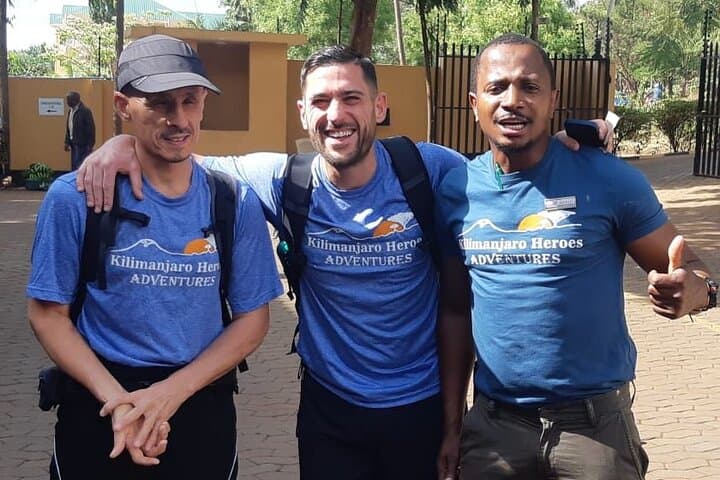
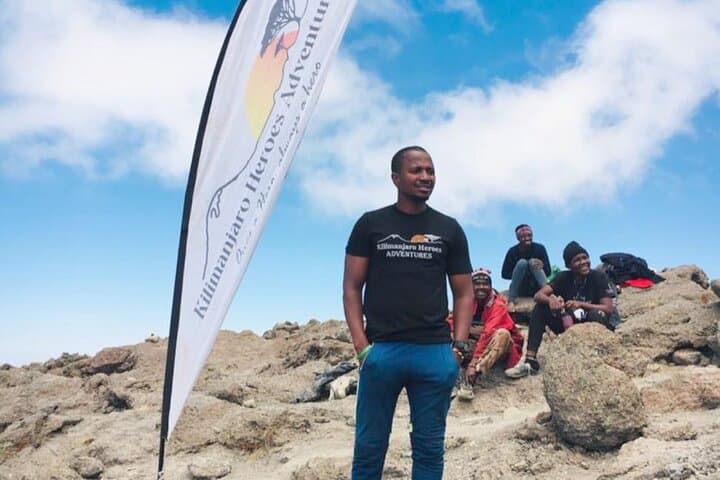
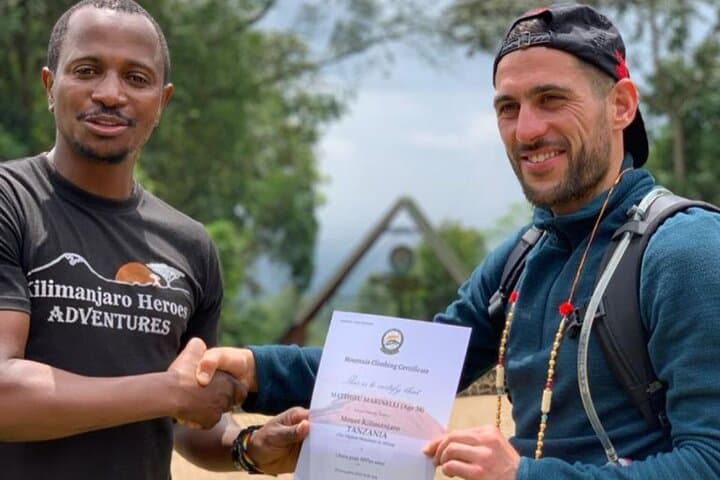
Kilimanjaro Heroes Adventures operates guided outdoor trips and adventures with an emphasis on safety, stewardship, and memorable experiences.
The day begins before dawn in Moshi with the scent of strong coffee and a driver who knows every pothole to the park gate. You leave the town lights behind and drop into a wet green world: the Marangu Route starts in cloud forest where moss hangs heavy from branches, ferns brush your calves and the trail threads through shards of sunlight and mist. Porters shoulder canvas and cooking gear; your hut key and a warm meal await at Mandara.
The day begins before dawn in Moshi with the scent of strong coffee and a driver who knows every pothole to the park gate. You leave the town lights behind and drop into a wet green world: the Marangu Route starts in cloud forest where moss hangs heavy from branches, ferns brush your calves and the trail threads through shards of sunlight and mist. Porters shoulder canvas and cooking gear; your hut key and a warm meal await at Mandara.
Marangu is the oldest established route on Kilimanjaro, the so-called Coca‑Cola route because of huts and basic comforts that make it feel less expeditionary and more communal. The mountain itself is a collapsed stratovolcano: a dome of volcanic rock whose Kibo and Mawenzi peaks are the remnant rims of ancient eruptions. As you climb from 1,860m at the gate up to Uhuru Peak’s 5,895m, the landscape steps through biomes — dense montane forest, moorland peppered with giant lobelia, then a lunar saddle of scree and volcanic ash.
Culture threads through the walk. Guides and porters are often from Chagga communities on Kilimanjaro’s lower slopes; their songs and stories on the trail double as weather reports. History rides with you too: the first recorded ascent of Kibo completed by Hans Meyer in 1889 and the route’s decades-long role shaping early Kilimanjaro tourism.
Practical care underpins the romance. The itinerary spaces acclimatization with an outing to Zebra Rocks and a rest day at Horombo Hut to slow your ascent — a vital hedge against acute mountain sickness. Summit night is long and deliberate: you rise around midnight, sip tea, and move at a steady pole pole (Swahili for “slowly, slowly”) pace to the crater rim for sunrise at Gillman’s Point, then push to Uhuru Peak.
Huts mean you sleep off the trail each night, but conditions are basic: communal sleeping, shared toilets, and early dinners. Porters handle the heavy loads, but packing light and layering smartly makes hut life easier. Expect long descents of volcanic scree that will jar knees, and bring gaiters for the fine ash on summit day.
Choose a 7‑day itinerary like this if you want a clear schedule, hut accommodation, and a firm summit plan with logistical pickup from Kilimanjaro International Airport. Train with uphill walking, long days carrying a 10–12kg pack, and practice walking at altitude if possible. Hydration, slow pacing, and listening to your guide are the most reliable tools you bring. When you step onto Uhuru Peak at sunrise, the cold will be sharp, the sky massive, and the effort suddenly, quietly worthwhile.