THE ADVENTURE COLLECTIVE® · Independent discovery and booking for outdoor travel

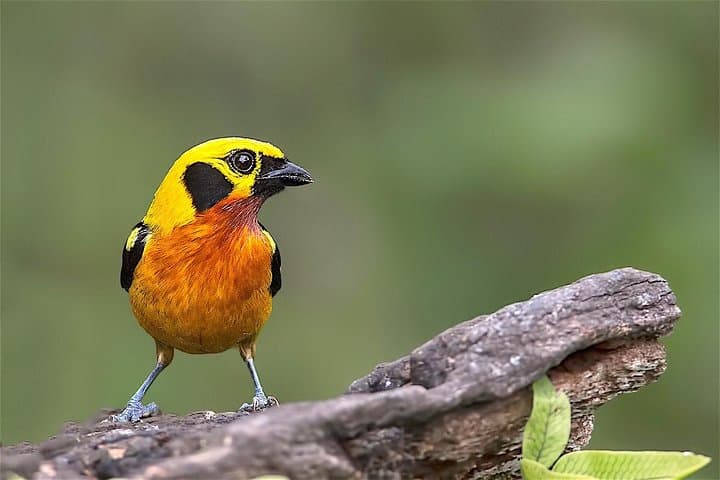
Descend from the Andes into Manu’s primary rainforest on a seven-day wildlife expedition that culminates at the famed Macaw Clay Lick. Expect long boat days, guided jungle walks, canopy views, and intense early-morning birdwatching.
Descend from the Andes into Manu’s primary rainforest on a seven-day wildlife expedition that culminates at the famed Macaw Clay Lick. Expect long boat days, guided jungle walks, canopy views, and intense early-morning birdwatching.
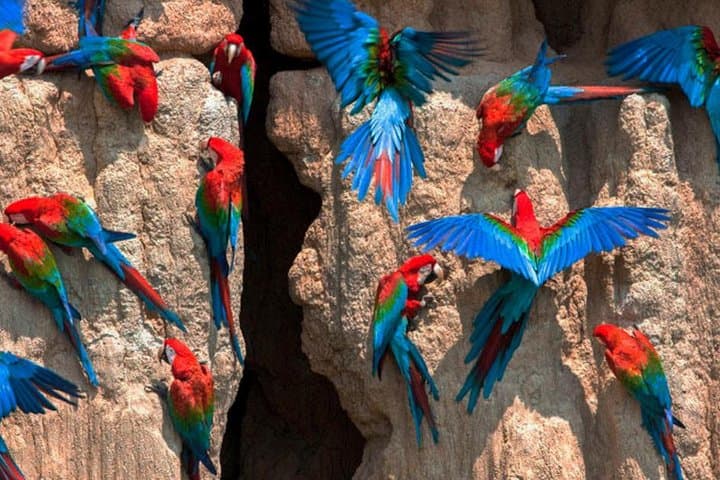
The river cuts a slow, steady scar through the forest as dawn light finds the clay lick and macaws arrive in a riot of color—this is the opening scene of a seven-day passage from the high Andes into Manu’s deepest protected zones.
Verified experiences and guided adventures in the surrounding area.
Operated by Palotoa Amazon Travel · Cusco, Cusco Region
The river cuts a slow, steady scar through the forest as dawn light finds the clay lick and macaws arrive in a riot of color—this is the opening scene of a seven-day passage from the high Andes into Manu’s deepest protected zones.
You cross cloud forest ridges, pass Paucartambo’s colonial roofs, and descend into humid lowland jungle where primary rainforest hangs heavy with lianas and giant kapok trees. Manu National Park, established in the 1970s and later recognized as a UNESCO biosphere reserve, protects elevations from puna grasslands to Amazonian floodplain, creating one of the world’s richest biodiversity gradients. Geology here is simple but dramatic: uplifted Andean strata give way to wide, meandering rivers that cut sedimentary clay banks—exactly the mineral source macaws seek.
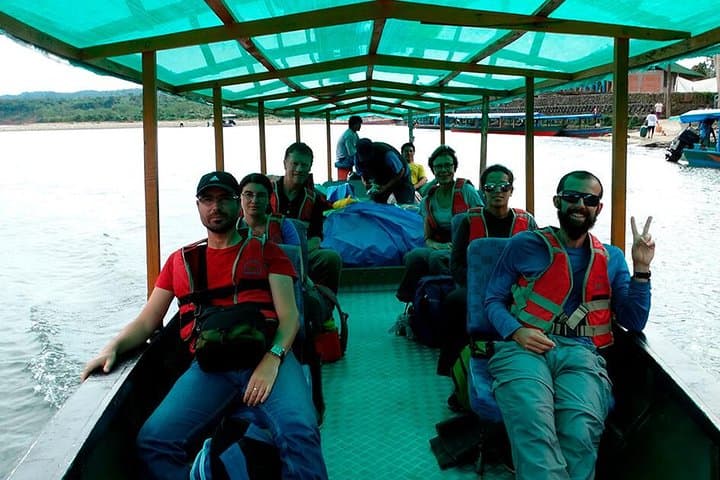
Local Matsiguenka communities and small river towns have long histories tied to the river: traditional knowledge guides safe river travel and sustainable harvesting practices you’ll glimpse on village visits. Expect long boat transfers (several multi-hour stretches), short guided jungle walks on muddy trails, night walks for frogs and tarantulas, and an early-morning stakeout at the famed Tambo Blanquillo clay lick.
Practically: bring waterproof footwear, layered quick-dry clothing, and insect protection; carry a dry bag for cameras; be ready for early departures and basic lodge comforts under mosquito nets. Guides provide boots, ponchos, food, and transport, but personal binoculars and a good camera make wildlife moments count. This trip is immersive—plan for humidity, variable boat schedules, and unforgettable close encounters with macaws, monkeys, and river life.
moderate.
7 days.
Good baseline fitness for short rainforest hikes, stairs to canopy towers, and long boat transfers; able to board small boats and walk unpaved trails.
Dry season (May–October) generally offers clearer mornings and easier access; clay licks are active year-round but bird visibility is often higher in the drier months.
Consult your physician for recommended vaccines (yellow fever is commonly advised) and bring anti-malarial medication if recommended for your itinerary segment; carry a basic first-aid kit and any personal prescriptions.
Daily walks are short to moderate on uneven, muddy trails; the trip involves long boat transfers but does not require technical climbing—basic mobility and balance are sufficient.
Lodges in the reserve are eco-friendly and basic—private rooms with mosquito nets and showers are typical; some camps may use shared facilities but the tour includes lodge stays and camping equipment where needed.
Manu National Park was created in the 1970s and later designated a UNESCO biosphere reserve; its protection preserves transitions from Andean puna to Amazon lowland forest and supports indigenous communities.
Access to Manu is tightly regulated—stay on trails, avoid single-use plastics, and follow guide rules to minimize disturbance to sensitive clay licks and aquatic habitats.
Palotoa Amazon Travel operates guided outdoor trips and adventures with an emphasis on safety, stewardship, and memorable experiences.

The river cuts a slow, steady scar through the forest as dawn light finds the clay lick and macaws arrive in a riot of color—this is the opening scene of a seven-day passage from the high Andes into Manu’s deepest protected zones.
The river cuts a slow, steady scar through the forest as dawn light finds the clay lick and macaws arrive in a riot of color—this is the opening scene of a seven-day passage from the high Andes into Manu’s deepest protected zones.
You cross cloud forest ridges, pass Paucartambo’s colonial roofs, and descend into humid lowland jungle where primary rainforest hangs heavy with lianas and giant kapok trees. Manu National Park, established in the 1970s and later recognized as a UNESCO biosphere reserve, protects elevations from puna grasslands to Amazonian floodplain, creating one of the world’s richest biodiversity gradients. Geology here is simple but dramatic: uplifted Andean strata give way to wide, meandering rivers that cut sedimentary clay banks—exactly the mineral source macaws seek.
Local Matsiguenka communities and small river towns have long histories tied to the river: traditional knowledge guides safe river travel and sustainable harvesting practices you’ll glimpse on village visits. Expect long boat transfers (several multi-hour stretches), short guided jungle walks on muddy trails, night walks for frogs and tarantulas, and an early-morning stakeout at the famed Tambo Blanquillo clay lick.
Practically: bring waterproof footwear, layered quick-dry clothing, and insect protection; carry a dry bag for cameras; be ready for early departures and basic lodge comforts under mosquito nets. Guides provide boots, ponchos, food, and transport, but personal binoculars and a good camera make wildlife moments count. This trip is immersive—plan for humidity, variable boat schedules, and unforgettable close encounters with macaws, monkeys, and river life.