THE ADVENTURE COLLECTIVE® · Independent discovery and booking for outdoor travel

Follow the Machame "Whiskey Route" up Mount Kilimanjaro: seven days of rainforest, moorland, and a midnight summit push to Uhuru Peak. This guide blends route history, practical logistics, and on-trail tips to help you prepare for one of Africa’s most iconic climbs.
Follow the Machame "Whiskey Route" up Mount Kilimanjaro: seven days of rainforest, moorland, and a midnight summit push to Uhuru Peak. This guide blends route history, practical logistics, and on-trail tips to help you prepare for one of Africa’s most iconic climbs.
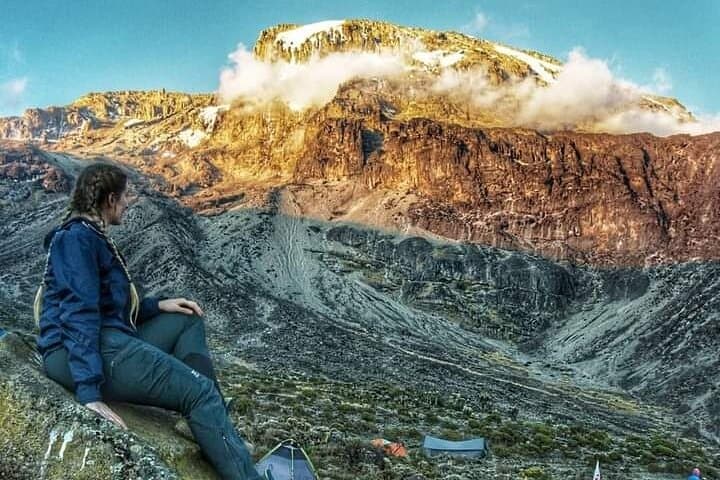
The dawn on day one feels immediate—fog lifts from banana groves, headlamps dim, and the Machame trail begins like a ribbon cutting through rainforest. Hikers step from Moshi into a green world where moss clings to trunks and the path climbs, winding through heather and into an open plateau where the peak finally reveals itself: a cold crown of ice that refuses to melt.
Verified experiences and guided adventures in the surrounding area.
Operated by Afromasai Eastern Safaris · Moshi, Kilimanjaro Region
The dawn on day one feels immediate—fog lifts from banana groves, headlamps dim, and the Machame trail begins like a ribbon cutting through rainforest. Hikers step from Moshi into a green world where moss clings to trunks and the path climbs, winding through heather and into an open plateau where the peak finally reveals itself: a cold crown of ice that refuses to melt.
The Machame Route, often called the "Whiskey Route," earned its nickname for a direct, scenic line up Kilimanjaro’s southern slopes. It’s also the route most guides praise for acclimatization: long ascents followed by strategic descents help the body adapt as vegetation gives way to alpine desert and then to the stony, wind-raked summit cone.
Geologically, Kilimanjaro is a composite stratovolcano—layers of ash, lava and collapse that created Uhuru Peak at 5,895 meters. On the Machame path you traverse rainforest, moorland, and alpine desert; each zone is a clear step in the mountain’s story. Culturally, the slopes are home to Chagga communities whose farms and coffee terraces frame the lower approach. Porters, guides and camp cooks—integral to the experience—bring a local rhythm to the climb: efficient, communal, and hardworking.
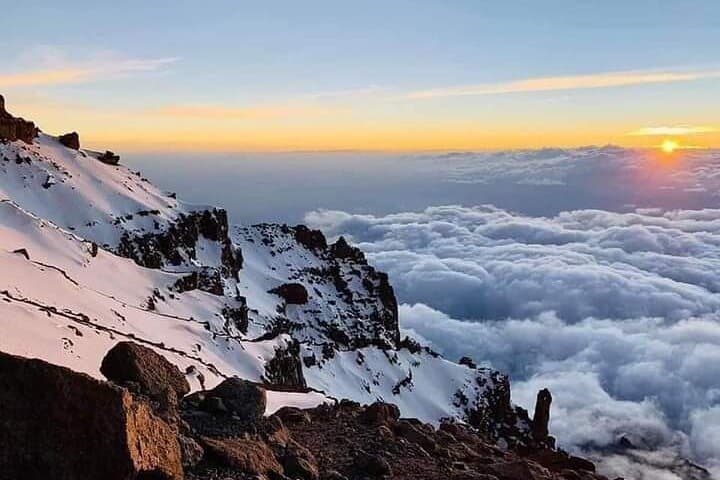
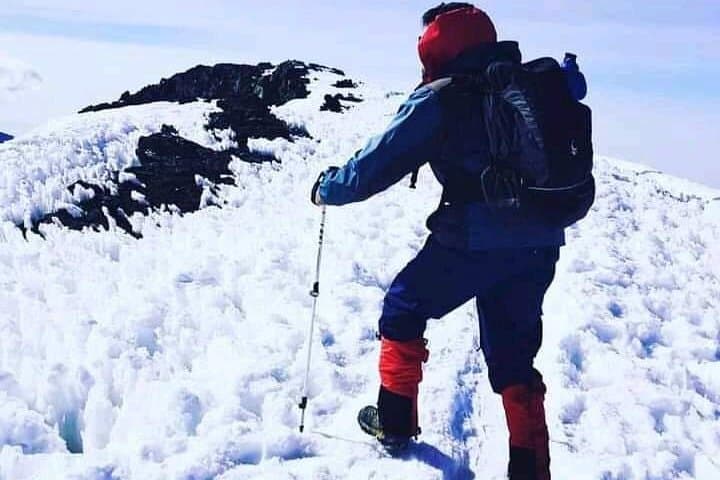
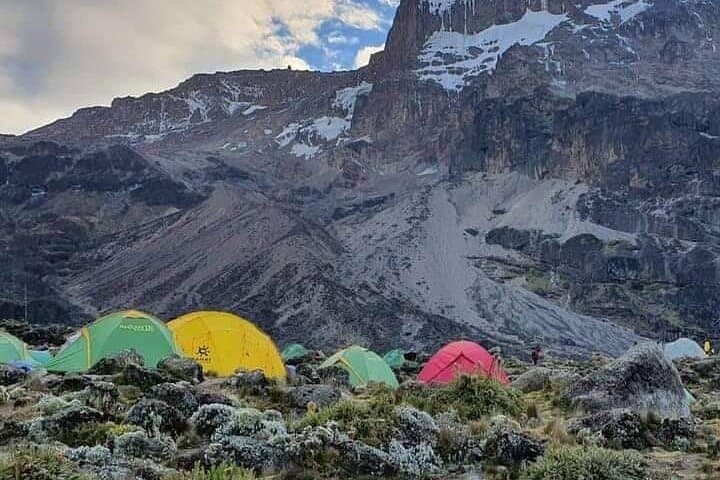
Expect seven days of tent camping, with porters carrying gear and chefs preparing hot meals. The summit push typically starts around midnight from Barafu Camp, climbing by headlamp through thin air to Stella Point at sunrise and then to Uhuru Peak. That final hour is less about terrain and more about will: the wind pushes, the cold pinches, and the summit’s scale rearranges perspective.
Plan practically: train with long hikes and altitude exposure where possible; break in boots and practice layered clothing systems. Hydration and steady pacing are your best defenses against altitude illness—sip frequently, eat, and rest. Footwear should be rigid and supportive for scree and muddy sections. A good down jacket, waterproof shell, and reliable headlamp are non-negotiable on summit night.
Logistics are straightforward—transfer from Moshi or Arusha, park registration at Machame Gate, and staffed camps. The trail is non-technical but physically demanding; weather is variable year-round, so expect sun in the morning and wind or snow higher up.
For travelers, the Machame Route is an outwardly simple itinerary but an inwardly exacting test. It offers one of Kilimanjaro’s most dramatic sequences of ecosystems, a close-up of human mountain culture, and a summit that rewards consistent preparation over heroics.
challenging.
7 days.
Requires strong cardiovascular fitness and endurance for long days and a night-time summit push; training hikes and stair workouts recommended.
Machame is more scenic and moderately harder than Marangu due to longer days and tent camping, but it has better acclimatization profile than shorter routes.
No technical skills are required—route is non-technical hiking, though fitness and altitude readiness are essential.
Typical inclusions are park entry, camping equipment, meals, guides, cooks and porters; confirm specifics with the operator.
June–October offers the most stable weather; September–February are viable but may include brief rains.
Success depends on fitness, acclimatization, weather and pacing; Machame’s profile improves success odds compared to shorter routes.
Acclimatization strategies and slow pacing help; inform guides of symptoms immediately—descent is the primary treatment.
Kilimanjaro’s local Chagga people historically farmed the lower slopes and guided early European climbers; modern guiding grew after early 20th-century expeditions.
The mountain is a protected national park—stay on trail, avoid single-use plastics, and use licensed operators who follow porter welfare and waste protocols.
Afromasai Eastern Safaris operates guided outdoor trips and adventures with an emphasis on safety, stewardship, and memorable experiences.
The dawn on day one feels immediate—fog lifts from banana groves, headlamps dim, and the Machame trail begins like a ribbon cutting through rainforest. Hikers step from Moshi into a green world where moss clings to trunks and the path climbs, winding through heather and into an open plateau where the peak finally reveals itself: a cold crown of ice that refuses to melt.
The dawn on day one feels immediate—fog lifts from banana groves, headlamps dim, and the Machame trail begins like a ribbon cutting through rainforest. Hikers step from Moshi into a green world where moss clings to trunks and the path climbs, winding through heather and into an open plateau where the peak finally reveals itself: a cold crown of ice that refuses to melt.
The Machame Route, often called the "Whiskey Route," earned its nickname for a direct, scenic line up Kilimanjaro’s southern slopes. It’s also the route most guides praise for acclimatization: long ascents followed by strategic descents help the body adapt as vegetation gives way to alpine desert and then to the stony, wind-raked summit cone.
Geologically, Kilimanjaro is a composite stratovolcano—layers of ash, lava and collapse that created Uhuru Peak at 5,895 meters. On the Machame path you traverse rainforest, moorland, and alpine desert; each zone is a clear step in the mountain’s story. Culturally, the slopes are home to Chagga communities whose farms and coffee terraces frame the lower approach. Porters, guides and camp cooks—integral to the experience—bring a local rhythm to the climb: efficient, communal, and hardworking.
Expect seven days of tent camping, with porters carrying gear and chefs preparing hot meals. The summit push typically starts around midnight from Barafu Camp, climbing by headlamp through thin air to Stella Point at sunrise and then to Uhuru Peak. That final hour is less about terrain and more about will: the wind pushes, the cold pinches, and the summit’s scale rearranges perspective.
Plan practically: train with long hikes and altitude exposure where possible; break in boots and practice layered clothing systems. Hydration and steady pacing are your best defenses against altitude illness—sip frequently, eat, and rest. Footwear should be rigid and supportive for scree and muddy sections. A good down jacket, waterproof shell, and reliable headlamp are non-negotiable on summit night.
Logistics are straightforward—transfer from Moshi or Arusha, park registration at Machame Gate, and staffed camps. The trail is non-technical but physically demanding; weather is variable year-round, so expect sun in the morning and wind or snow higher up.
For travelers, the Machame Route is an outwardly simple itinerary but an inwardly exacting test. It offers one of Kilimanjaro’s most dramatic sequences of ecosystems, a close-up of human mountain culture, and a summit that rewards consistent preparation over heroics.