THE ADVENTURE COLLECTIVE® · Independent discovery and booking for outdoor travel

A seven-day, classic Machame ascent that moves from rainforest to Kibo’s scree and Uhuru Peak. This guide explains what to expect each stage, the cultural context, and practical preparation for a high-altitude success.
A seven-day, classic Machame ascent that moves from rainforest to Kibo’s scree and Uhuru Peak. This guide explains what to expect each stage, the cultural context, and practical preparation for a high-altitude success.
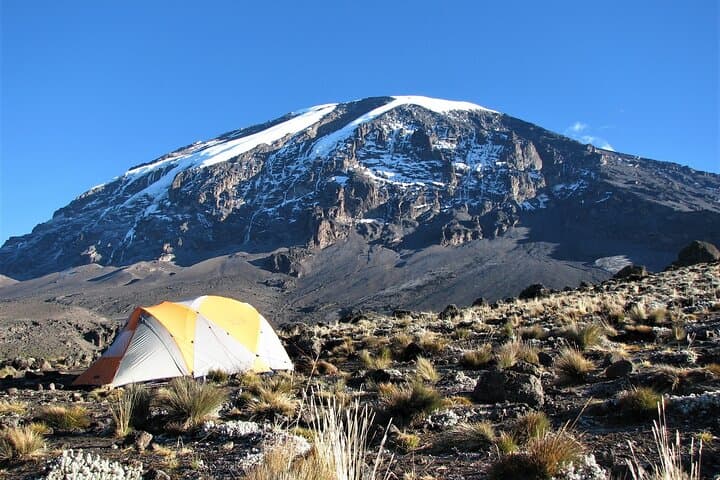
Dawn creeps across a wet canopy as you leave the teardrop mists of the rainforest and climb toward a stone shoulder of sky—Kilimanjaro’s Machame route pulls you through ecosystems in stages: dense forest, heath and moorland, afro-alpine desert, and the sterile scree of Kibo.
Verified experiences and guided adventures in the surrounding area.
Operated by Ihana Safaris · Moshi, Kilimanjaro Region
Dawn creeps across a wet canopy as you leave the teardrop mists of the rainforest and climb toward a stone shoulder of sky—Kilimanjaro’s Machame route pulls you through ecosystems in stages: dense forest, heath and moorland, afro-alpine desert, and the sterile scree of Kibo.
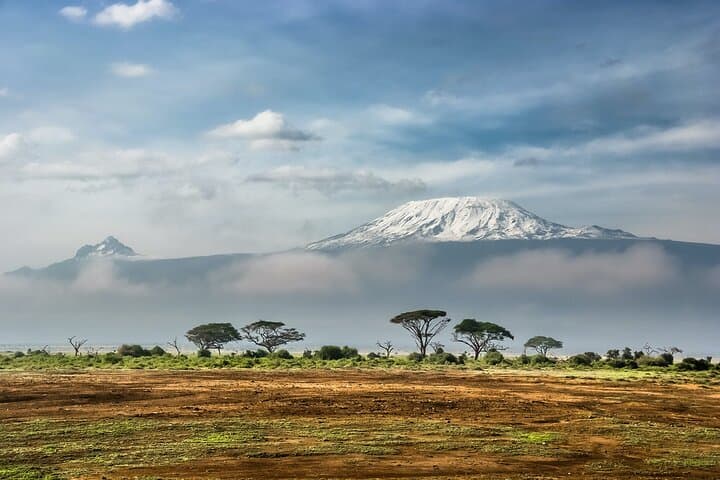
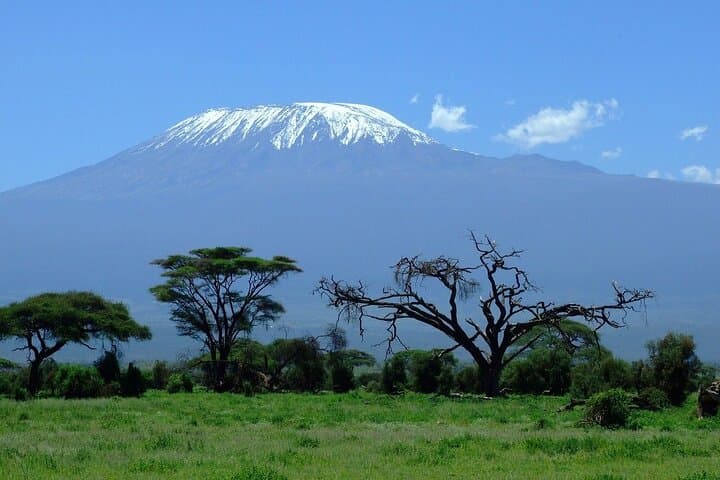
The Machame route was developed as an alternative to the older Marangu path; it winds west-to-east, offering dramatic views of Shira Plateau, the Lava Tower, Barranco Valley, and the northern glaciers on Kibo. Geologically, Kilimanjaro is a dormant stratovolcano composed of three volcanic cones—Kibo, Mawenzi and Shira—whose glacial remnants create stark, high-altitude features that hold the summit’s fragile snowfields.
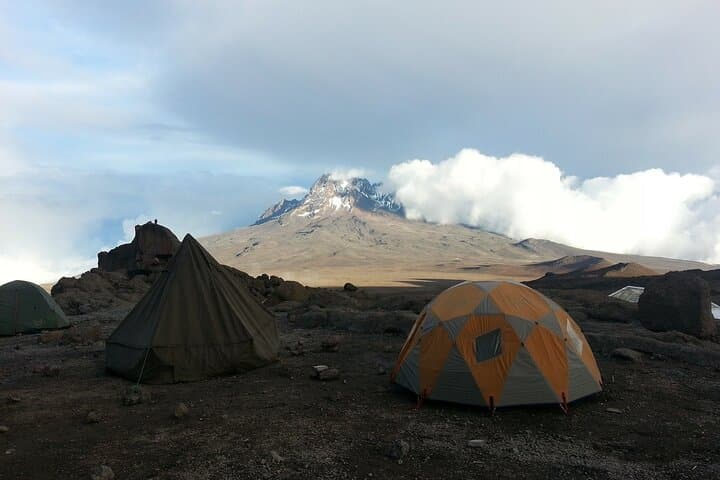
Culturally, the approach passes through Chagga farmland and small settlements where guides and porters—often local climbers—form the backbone of summit teams. Expect communal camp life, meals served by the crew, and a daily ritual of acclimatization movements designed to reduce altitude risk.
Practically, the trek is seven days with progressive elevation gain to 5,895 m at Uhuru Peak and technical demands limited to steep scree walking rather than rock climbing. Strong legs, steady cardio, and a patient ascent profile matter more than technical gear. Plan for sudden temperature swings, wind on the summit ridge, and slow, careful pacing during the final night ascent.
Bring layered insulation, a reliable sleeping bag rated for sub-zero, and boots broken in on scree. Hydration, altitude awareness, and respecting your crew’s pacing are the axes of success here. With prudent preparation, Machame delivers one of Africa’s most accessible high-altitude summits and a memorable encounter with vertical weather and wide, alpine air.
challenging.
7 days.
Good aerobic fitness with experience on multi-day hikes; able to hike 5–8 hours daily with load and tolerate sustained elevation gain.
Machame is steeper and more varied than Marangu or Rongai; it offers better acclimatization through varied camps but requires stronger fitness and longer daily hiking.
No technical climbing is required; the summit push is strenuous scree and rock walking at high altitude—good fitness and acclimatization are essential.
Altitude sickness is common; guides monitor symptoms, enforce slow ascents, and use staged sleeping elevations, with descent and medical evacuation plans if severe signs appear.
June–October are the driest months with the most stable conditions; January–February are also good, while March–May and late October–November bring rain and muddier trails.
Kilimanjaro has long been significant to local Chagga communities and was first summited by European climbers in the 19th century; its routes evolved with guide services in the 20th century.
Glacial retreat on Kibo is a visible sign of climate change; stick to marked trails, minimize waste, and follow local park regulations to reduce impact.
Ihana Safaris operates guided outdoor trips and adventures with an emphasis on safety, stewardship, and memorable experiences.
Dawn creeps across a wet canopy as you leave the teardrop mists of the rainforest and climb toward a stone shoulder of sky—Kilimanjaro’s Machame route pulls you through ecosystems in stages: dense forest, heath and moorland, afro-alpine desert, and the sterile scree of Kibo.
Dawn creeps across a wet canopy as you leave the teardrop mists of the rainforest and climb toward a stone shoulder of sky—Kilimanjaro’s Machame route pulls you through ecosystems in stages: dense forest, heath and moorland, afro-alpine desert, and the sterile scree of Kibo.
The Machame route was developed as an alternative to the older Marangu path; it winds west-to-east, offering dramatic views of Shira Plateau, the Lava Tower, Barranco Valley, and the northern glaciers on Kibo. Geologically, Kilimanjaro is a dormant stratovolcano composed of three volcanic cones—Kibo, Mawenzi and Shira—whose glacial remnants create stark, high-altitude features that hold the summit’s fragile snowfields.
Culturally, the approach passes through Chagga farmland and small settlements where guides and porters—often local climbers—form the backbone of summit teams. Expect communal camp life, meals served by the crew, and a daily ritual of acclimatization movements designed to reduce altitude risk.
Practically, the trek is seven days with progressive elevation gain to 5,895 m at Uhuru Peak and technical demands limited to steep scree walking rather than rock climbing. Strong legs, steady cardio, and a patient ascent profile matter more than technical gear. Plan for sudden temperature swings, wind on the summit ridge, and slow, careful pacing during the final night ascent.
Bring layered insulation, a reliable sleeping bag rated for sub-zero, and boots broken in on scree. Hydration, altitude awareness, and respecting your crew’s pacing are the axes of success here. With prudent preparation, Machame delivers one of Africa’s most accessible high-altitude summits and a memorable encounter with vertical weather and wide, alpine air.