THE ADVENTURE COLLECTIVE® · Independent discovery and booking for outdoor travel

Follow the Machame Route on a seven-day guided ascent of Mount Kilimanjaro. This itinerary prioritizes acclimatization and local support while leading you from rainforest to the summit cone for a dawn arrival at Uhuru Peak.
Follow the Machame Route on a seven-day guided ascent of Mount Kilimanjaro. This itinerary prioritizes acclimatization and local support while leading you from rainforest to the summit cone for a dawn arrival at Uhuru Peak.
You start at Machame Gate with damp earth underfoot and a rainforest that seems determined to keep climbers honest: ferns snag packs, mist coils through giant trunks, and colobus monkeys test the silence with abrupt calls.
Verified experiences and guided adventures in the surrounding area.
Operated by Aglow Safaris · Moshi, Kilimanjaro Region
You start at Machame Gate with damp earth underfoot and a rainforest that seems determined to keep climbers honest: ferns snag packs, mist coils through giant trunks, and colobus monkeys test the silence with abrupt calls.
The Machame Route stitches through ecological bands—rainforest to heath and moorland, alpine desert, then the razor-edge of the summit cone. Geologically Kilimanjaro is a dormant stratovolcano made of three cones (Kibo, Mawenzi, Shira); the jagged glaciers on Kibo are shrinking each decade, a visible reminder of climate change.
Culturally the mountain sits in Chagga country; villages below are defined by terrace farms and coffee estates that historically supported porters and guides. National Park regulations require permits and support the mountain’s conservation and local economy.
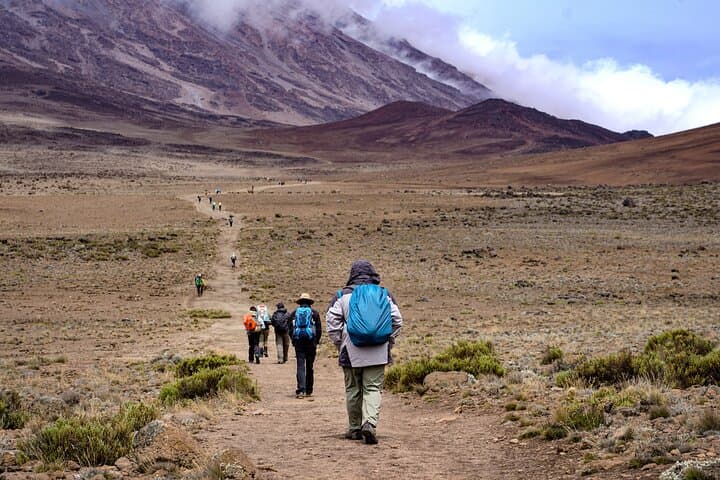
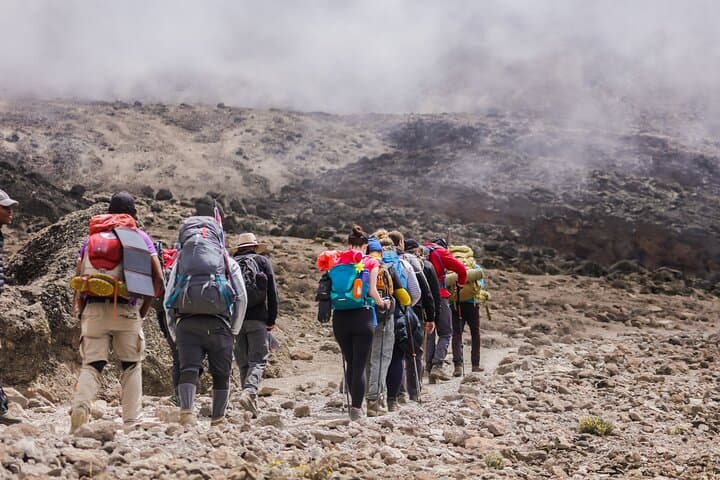
Practically, this 7-day itinerary balances acclimatization and summit push: Machame, Shira, Lava Tower, Barranco, Karanga, Barafu, then Uhuru Peak at dawn. Expect daily hikes of 5–8 hours on mixed terrain—muddy rainforest trails, rocky alpine scree and steep switchbacks—plus a long, cold night ascent from Barafu. Altitude, not distance, is the primary hazard: pace conservatively, hydrate, and use warm layers for summit bid.
Logistics: bring a reliable headlamp, crampon-capable gaiters if icy, a 4-season sleeping bag, and plan for sudden weather swings. The experience is less about sprinting to the top and more about staged elevation gain, teamwork with guides and porters, and a sunrise that rewards steady patience.
challenging.
7 days.
Good aerobic fitness with experience in multi-day hikes; should be comfortable walking 5–8 hours per day with elevation gain.
No technical climbing skills are required on the Machame Route, but experience with long day hikes, altitude awareness, and good fitness improve success rates.
Altitude sickness is common; guides manage it through slow ascent, rest days, hydration, and descent if symptoms worsen—medications like acetazolamide are sometimes recommended after consulting a physician.
This itinerary includes all national park fees and required permits; always confirm in booking details and carry identification for permit checks.
The clearest windows are June–October and late December–February; these months offer drier weather and better summit visibility, though shorter rain periods can occur year-round.
Kilimanjaro’s peaks formed from volcanic activity; the mountain is culturally significant to the Chagga people and has long supported porter and guide traditions tied to coffee farming in the foothills.
Kilimanjaro National Park manages permits and fees to fund protection and local employment; glacier retreat and trail erosion are ongoing concerns—support responsible operators and leave no trace.
Aglow Safaris operates guided outdoor trips and adventures with an emphasis on safety, stewardship, and memorable experiences.
You start at Machame Gate with damp earth underfoot and a rainforest that seems determined to keep climbers honest: ferns snag packs, mist coils through giant trunks, and colobus monkeys test the silence with abrupt calls.
You start at Machame Gate with damp earth underfoot and a rainforest that seems determined to keep climbers honest: ferns snag packs, mist coils through giant trunks, and colobus monkeys test the silence with abrupt calls.
The Machame Route stitches through ecological bands—rainforest to heath and moorland, alpine desert, then the razor-edge of the summit cone. Geologically Kilimanjaro is a dormant stratovolcano made of three cones (Kibo, Mawenzi, Shira); the jagged glaciers on Kibo are shrinking each decade, a visible reminder of climate change.
Culturally the mountain sits in Chagga country; villages below are defined by terrace farms and coffee estates that historically supported porters and guides. National Park regulations require permits and support the mountain’s conservation and local economy.
Practically, this 7-day itinerary balances acclimatization and summit push: Machame, Shira, Lava Tower, Barranco, Karanga, Barafu, then Uhuru Peak at dawn. Expect daily hikes of 5–8 hours on mixed terrain—muddy rainforest trails, rocky alpine scree and steep switchbacks—plus a long, cold night ascent from Barafu. Altitude, not distance, is the primary hazard: pace conservatively, hydrate, and use warm layers for summit bid.
Logistics: bring a reliable headlamp, crampon-capable gaiters if icy, a 4-season sleeping bag, and plan for sudden weather swings. The experience is less about sprinting to the top and more about staged elevation gain, teamwork with guides and porters, and a sunrise that rewards steady patience.