THE ADVENTURE COLLECTIVE® · Independent discovery and booking for outdoor travel

Trek the Machame route over seven days from Arusha and ascend to Uhuru Peak on Kilimanjaro. This route threads rainforest, moorland and alpine desert—designed for acclimatization and dramatic views.
Trek the Machame route over seven days from Arusha and ascend to Uhuru Peak on Kilimanjaro. This route threads rainforest, moorland and alpine desert—designed for acclimatization and dramatic views.
Book with Climb Kili
Book directly with Climb Kili for the best rates and real-time scheduling.
Reserve NowVerified experiences and guided adventures in the surrounding area.
Operated by Climb Kili · Arusha, Arusha Region
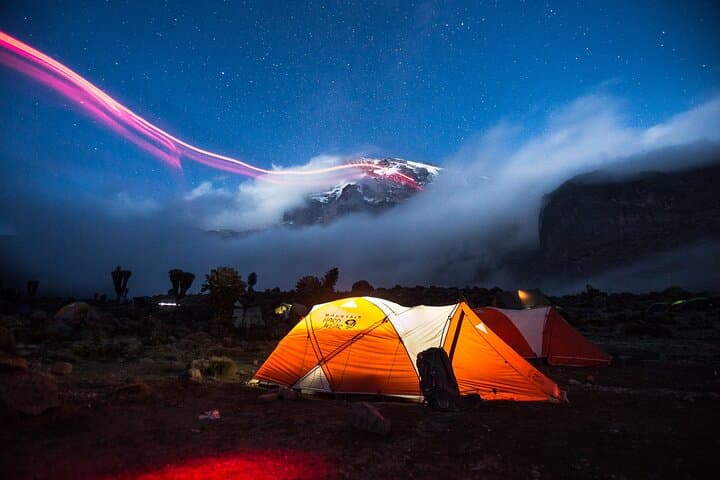
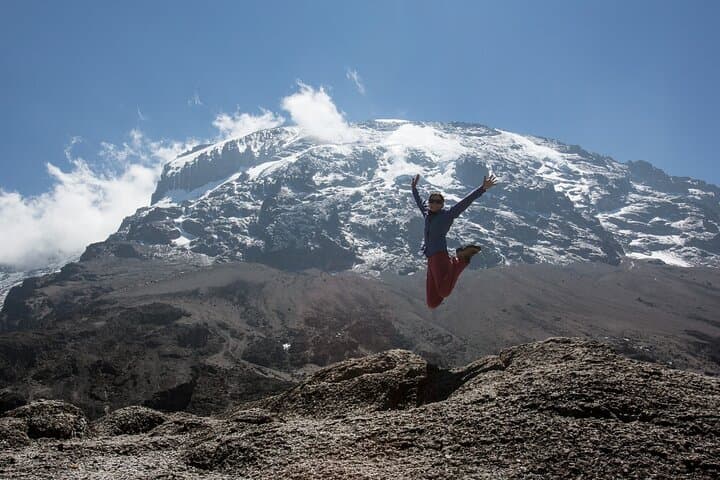
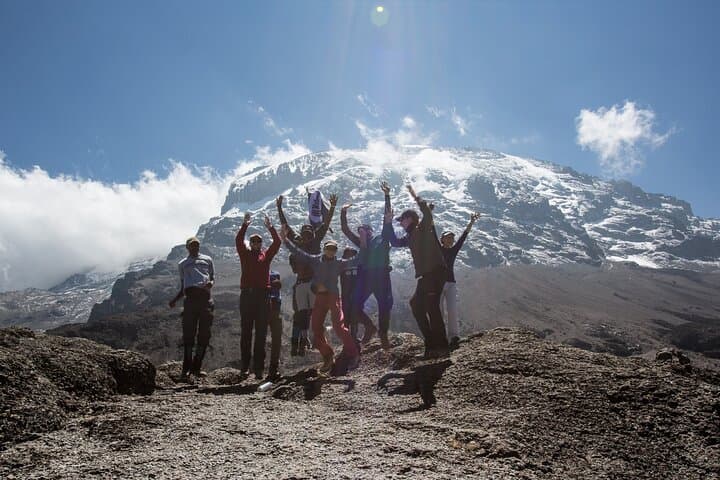
Dawn in Arusha arrives as a simmering promise: drivers, guides and porters load gear while the silhouette of Kilimanjaro sits like a slow-moving weather system on the horizon. By midmorning you’ll leave paved roads behind and step into the mountain’s first mood—wet, green and insistently alive. The Machame route begins in rainforest where roots pry at your boots and sunbeams fight their way through mist; over seven days the landscape will change its posture from brooding forest to heather moorland, then alpine desert and a final, wind-scoured summit ringed by ancient glaciers.
challenging.
7 days.
Good cardiovascular fitness and regular long-hike experience; able to hike 5–8 hours with elevation gain on consecutive days.
Dry seasons—January–March and July–October—offer more stable weather and clearer summit views, though Kilimanjaro can be climbed year-round with variable conditions.
No technical experience is required, but previous multiday trekking and good cardio conditioning make acclimatization and the summit push more manageable.
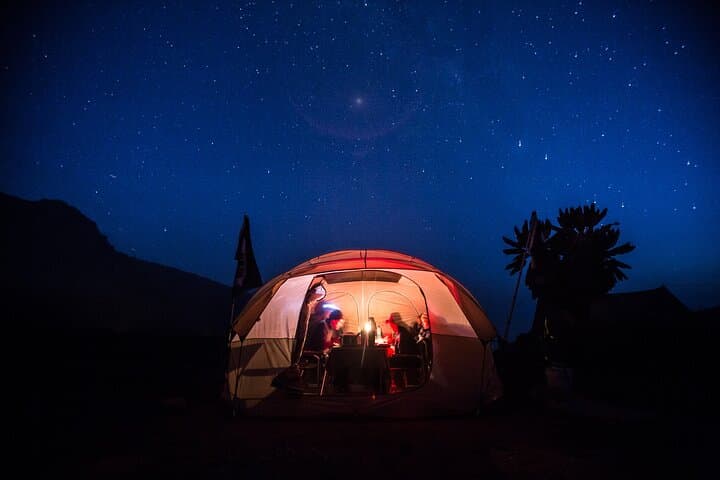
This tour provides communal camping tents, cooked meals (breakfast, lunch, dinner) and snacks; guides and cooks prepare hot meals each evening and breakfast before departures.
Acute mountain sickness is possible; the itinerary includes acclimatization days and a slow summit approach—monitor symptoms and follow guide instructions for descent if needed.
Expect a midnight start with 6–7 hours ascending to Stella Point and Uhuru, followed by a 4–6 hour descent to lower camps—prepare for a 10–14 hour day overall.
Yes—tipping is customary and helps support local mountain crews; follow supplier guidelines for recommended amounts per person.
Kilimanjaro’s peaks are remnants of long-extinct volcanic activity; the first recorded summit was in 1889, and local Chagga communities have long shaped trails and agriculture on its lower slopes.
Kilimanjaro National Park is a UNESCO site—minimize waste, use designated toilets, and support operators who follow porter welfare and eco-friendly practices.
Climb Kili operates guided outdoor trips and adventures with an emphasis on safety, stewardship, and memorable experiences.
Book with Climb Kili
Book directly with Climb Kili for the best rates and real-time scheduling.
Reserve Now