THE ADVENTURE COLLECTIVE® · Independent discovery and booking for outdoor travel

A practical, adventure-forward look at climbing Kilimanjaro via the Machame Route: from midnight summit pushes to forested ascent and alpine desert, learn what to expect, how to prepare, and why acclimatization wins the day.
A practical, adventure-forward look at climbing Kilimanjaro via the Machame Route: from midnight summit pushes to forested ascent and alpine desert, learn what to expect, how to prepare, and why acclimatization wins the day.
The night before the summit, the mountain feels like a living creature—Barafu camp’s wind testing the guy lines, a sky so clear the stars look close enough to touch, and the guides moving like well-rehearsed crew members preparing for a lunar march. At midnight boots whisper over frozen scree and a headlamp river threads upward toward Stella Point; for most, the sun breaks over Mawenzi and Kibo as a reward, the Roof of Africa finally within arm’s reach.
Verified experiences and guided adventures in the surrounding area.
Operated by Diani Travel and Tours · Moshi, Kilimanjaro Region
The night before the summit, the mountain feels like a living creature—Barafu camp’s wind testing the guy lines, a sky so clear the stars look close enough to touch, and the guides moving like well-rehearsed crew members preparing for a lunar march. At midnight boots whisper over frozen scree and a headlamp river threads upward toward Stella Point; for most, the sun breaks over Mawenzi and Kibo as a reward, the Roof of Africa finally within arm’s reach.
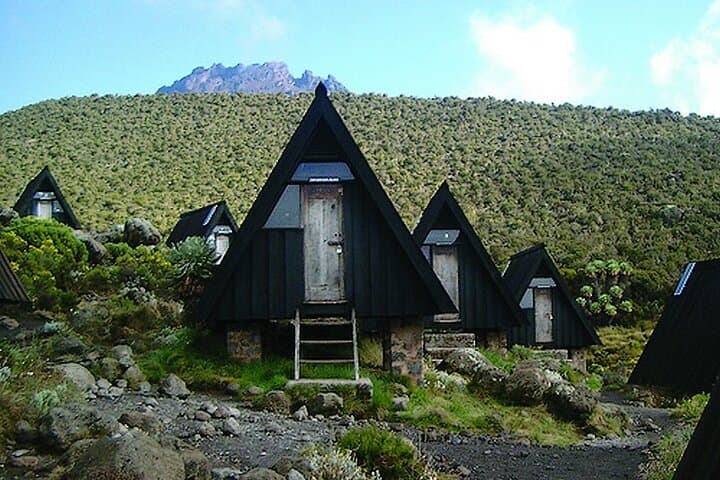
Climbing Kilimanjaro by the Machame Route means walking through climate zones as if paging through a natural atlas. The approach begins in verdant afro-montane forest where colobus monkeys and endemic flora keep watch. By Shira you enter heathland dotted with lobelias and senecios; beyond Lava Tower is alpine desert—wind-carved and skeletal—until the final, glacial-rimmed summit that crowns the trek.
Kilimanjaro is a volcano of scale and contradiction: a dormant stratovolcano built from successive flows and ice that once reached far down its flanks. The Chagga people have lived on its lower slopes for centuries, farming coffee and bananas in the shadow of the mountain and guiding many of the routes climbers now use. Today the peak sits within Kilimanjaro National Park, where permits, regulated porter loads, and established camps protect fragile high-altitude environments.
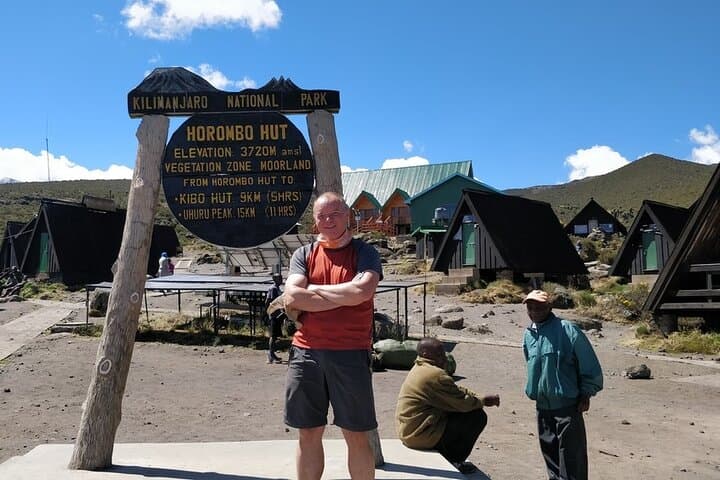
The Machame Route is popular because it offers varied scenery and better acclimatization than some alternatives. Typical on-mountain statistics: summit altitude 5,895 m (Uhuru Peak), key camps range from roughly 1,800 m (Machame Gate approach) to Barafu at ~4,600 m, and total hiking distance on most itineraries is around 60–70 km spread across 6–8 trekking days. Terrain varies from forested mule tracks to rocky, loose scree; expect steady elevation gain and intermittent steep sections like the Barranco Wall.
Practical edge: acclimatization is the deciding factor in summit success—this itinerary adds an extra day in the mid-section on purpose. Hydration, calorie-rich snacks, and steady pacing beat attempts to race altitude. Summit nights begin just before midnight: layers, a reliable headlamp, and mental patience matter as much as fitness. Porters and guides handle camps and logistics, but climbers should carry a daypack with water, warm layers, rain protection, and essentials.
Book through operators who meet national park regulations and treat porters ethically; a certified guide increases safety and enjoyment. For most first-time climbers with moderate fitness, Machame delivers a climb that’s demanding but achievable—each step upward asking for respect while promising views that justify the work.
challenging.
7–9 days (7 days on-mountain typical).
Good cardiovascular fitness and sustained endurance for consecutive days of uphill hiking; prior multi-day hiking beneficial.
Machame is considered achievable for first-time climbers with good fitness because it provides better acclimatization than some routes; success still depends on pacing, hydration, and acclimatization.
No technical climbing or rope skills are required—Machame is a non-technical trek though crampons are not typically needed; sturdy boots and trekking poles are advisable.
The clearest windows are January–February and June–October; the long rains (March–May) and short rains (November) make trails wetter and summit pushes harder.
Yes—local guides and porters handle camp setup, food, and logistics; choose operators that follow porter welfare guidelines and Kilimanjaro Park regulations.
Success depends largely on acclimatization and fitness; adding the extra acclimatization day used in this itinerary improves summit rates but cannot guarantee success.
All climbers must enter Kilimanjaro National Park and pay park and camping fees; reputable operators handle permits and registration as part of the booking.
Kilimanjaro’s slopes have long been inhabited by the Chagga people who farm the lower elevations and historically guide mountain visitors; the peak’s volcanic structure formed from successive lava flows and glacial activity.
Kilimanjaro National Park regulates climbs with permits and porter guidelines; stick to trails, minimize waste, and support operators that follow porter welfare and load limits.
Diani Travel and Tours operates guided outdoor trips and adventures with an emphasis on safety, stewardship, and memorable experiences.
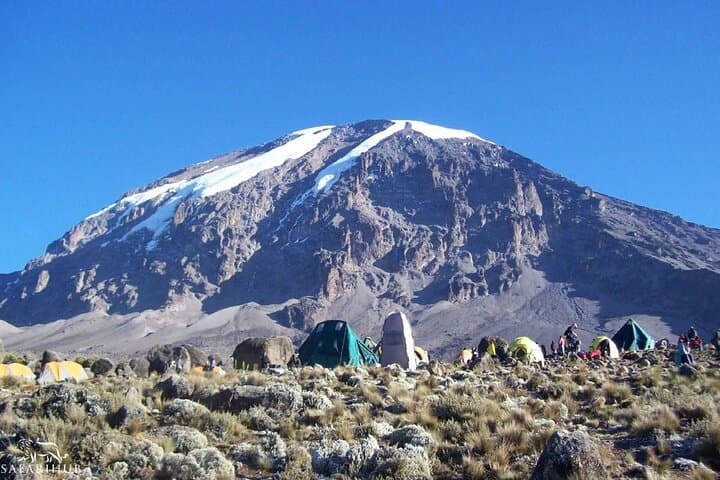
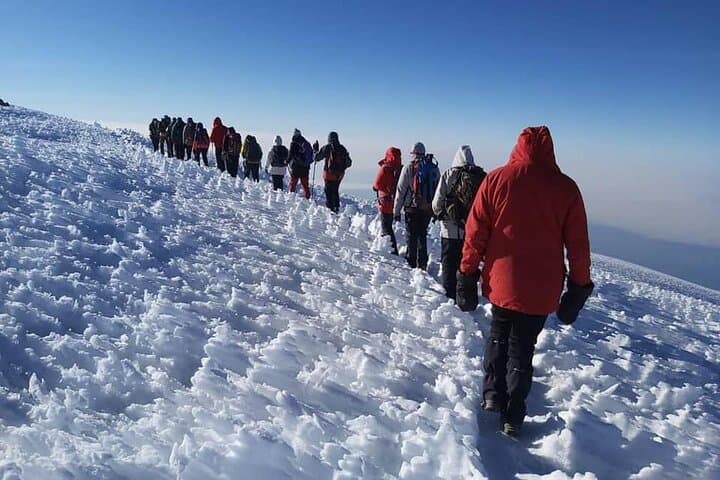
The night before the summit, the mountain feels like a living creature—Barafu camp’s wind testing the guy lines, a sky so clear the stars look close enough to touch, and the guides moving like well-rehearsed crew members preparing for a lunar march. At midnight boots whisper over frozen scree and a headlamp river threads upward toward Stella Point; for most, the sun breaks over Mawenzi and Kibo as a reward, the Roof of Africa finally within arm’s reach.
The night before the summit, the mountain feels like a living creature—Barafu camp’s wind testing the guy lines, a sky so clear the stars look close enough to touch, and the guides moving like well-rehearsed crew members preparing for a lunar march. At midnight boots whisper over frozen scree and a headlamp river threads upward toward Stella Point; for most, the sun breaks over Mawenzi and Kibo as a reward, the Roof of Africa finally within arm’s reach.
Climbing Kilimanjaro by the Machame Route means walking through climate zones as if paging through a natural atlas. The approach begins in verdant afro-montane forest where colobus monkeys and endemic flora keep watch. By Shira you enter heathland dotted with lobelias and senecios; beyond Lava Tower is alpine desert—wind-carved and skeletal—until the final, glacial-rimmed summit that crowns the trek.
Kilimanjaro is a volcano of scale and contradiction: a dormant stratovolcano built from successive flows and ice that once reached far down its flanks. The Chagga people have lived on its lower slopes for centuries, farming coffee and bananas in the shadow of the mountain and guiding many of the routes climbers now use. Today the peak sits within Kilimanjaro National Park, where permits, regulated porter loads, and established camps protect fragile high-altitude environments.
The Machame Route is popular because it offers varied scenery and better acclimatization than some alternatives. Typical on-mountain statistics: summit altitude 5,895 m (Uhuru Peak), key camps range from roughly 1,800 m (Machame Gate approach) to Barafu at ~4,600 m, and total hiking distance on most itineraries is around 60–70 km spread across 6–8 trekking days. Terrain varies from forested mule tracks to rocky, loose scree; expect steady elevation gain and intermittent steep sections like the Barranco Wall.
Practical edge: acclimatization is the deciding factor in summit success—this itinerary adds an extra day in the mid-section on purpose. Hydration, calorie-rich snacks, and steady pacing beat attempts to race altitude. Summit nights begin just before midnight: layers, a reliable headlamp, and mental patience matter as much as fitness. Porters and guides handle camps and logistics, but climbers should carry a daypack with water, warm layers, rain protection, and essentials.
Book through operators who meet national park regulations and treat porters ethically; a certified guide increases safety and enjoyment. For most first-time climbers with moderate fitness, Machame delivers a climb that’s demanding but achievable—each step upward asking for respect while promising views that justify the work.