THE ADVENTURE COLLECTIVE® · Independent discovery and booking for outdoor travel

Trek the Machame ‘Whiskey’ Route on a seven-day climb of Mount Kilimanjaro, where rainforest gives way to alpine desert and a midnight summit attempt. This practical guide covers terrain, camps, and the acclimatization strategy that makes Machame one of the most successful summit routes.
Trek the Machame ‘Whiskey’ Route on a seven-day climb of Mount Kilimanjaro, where rainforest gives way to alpine desert and a midnight summit attempt. This practical guide covers terrain, camps, and the acclimatization strategy that makes Machame one of the most successful summit routes.
Dawn on Kilimanjaro arrives slow and gray, a pale hand pushing fog from the rainforest as porters thread through dripping leaves and the trail begins to climb. On day one the forest is thick and damp, Colobus monkeys chattering overhead, mist seeping into your jacket. By day four the trees give way to weirdly sculpted lobelia and heath; the air gets thinner, the sun grows bold and the mountain’s moods—fog, rain, grit, and clear blue—rotate like a gear.
Verified experiences and guided adventures in the surrounding area.
Operated by Sucess safaris Brand · Moshi, Kilimanjaro Region
Dawn on Kilimanjaro arrives slow and gray, a pale hand pushing fog from the rainforest as porters thread through dripping leaves and the trail begins to climb. On day one the forest is thick and damp, Colobus monkeys chattering overhead, mist seeping into your jacket. By day four the trees give way to weirdly sculpted lobelia and heath; the air gets thinner, the sun grows bold and the mountain’s moods—fog, rain, grit, and clear blue—rotate like a gear.
The Machame Route, nicknamed the Whiskey Route, is a seven-day itinerary built around one simple principle: climb high, sleep low. Starting at Machame Gate (about 1,490 m) and aiming for Uhuru Peak at 5,895 m, you'll cover roughly 60–65 km round-trip and gain roughly 4,400 vertical meters. The route is older than the modern tourist trail system—local Chagga people have long traversed these slopes—and it cuts across a range of ecological bands: montane rainforest, heather and moorland, alpine desert, and finally glacier-scarred summit terrain. Volcanoes built Kilimanjaro from basalt up; what you see now is weather and time chiseling it into shelves and ridgelines.
Culturally, Moshi and the foothill villages offer a concrete counterpoint to the high solitude: Chagga farms cling to steep terraces and coffee aromas follow you out of town. Guides, cooks and porters are the invisible engine of any successful summit; their pace and experience shape your acclimatization and safety more than gear alone.
Practically, this route is non-technical—no rope or crampon work for most parties—but altitude is the challenge. The itinerary supplied includes nights at Machame Camp (2,980 m), Shira (3,840 m), Lava Tower (4,630 m), Barranco, Karanga, Barafu (4,600 m) and Mweka for the descent. Expect muddy rainforest trails early on, volcanic scree on the summit approach, and cold nights that demand a good sleeping system.
To maximize success: hike conservatively, hydrate, and use the itinerary’s acclimatization days. Summit night is a long, slow climb from Barafu beginning around midnight—plan for 10–14 hours including descent. Respect weather windows; rain and fog are common and can make trails slick. Logistics are straightforward: group departures, professional guides, all food/ports/tents included in this offering.
If you go, treat the mountain with patience. Kilimanjaro gives and takes in equal measure—its weather dares you to push, its altitude teaches humility. With careful pacing and the right kit, Machame is one of the most rewarding seven-day high-altitude treks on the planet.
challenging.
7 days.
Requires good cardiovascular fitness, experience with multi-day trekking, and ability to hike 5–8 hours on successive days at increasing altitude.
No; the route is non-technical and requires no climbing gear, but altitude and weather make it physically demanding.
Machame typically has a higher success rate than shorter routes because of better acclimatization, but success varies with fitness, pace, and weather.
Meals are provided by the operator; bring a hydration system and reserve snacks—drinking water is treated or provided by porters.
Temperatures can drop below -10°C with wind chill near the crater rim; high-quality insulation and layers are essential.
This itinerary includes professional guides, porters, and all necessary permits as part of the package listed in inclusions.
Most healthy adults can attempt it, but you should be free of serious medical conditions and prepared for long days and altitude; consult a doctor if unsure.
Local Chagga communities have long used Kilimanjaro’s lower slopes for agriculture; climbing routes were formalized during early 20th-century exploration and park creation.
Kilimanjaro National Park manages permits and guides to limit impact; stick to paths, avoid burning wood, and use provider water treatment to reduce plastic waste.
Sucess safaris Brand operates guided outdoor trips and adventures with an emphasis on safety, stewardship, and memorable experiences.
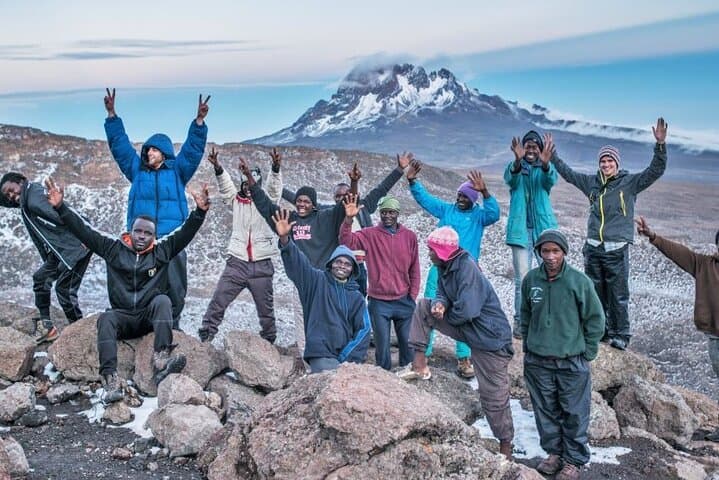
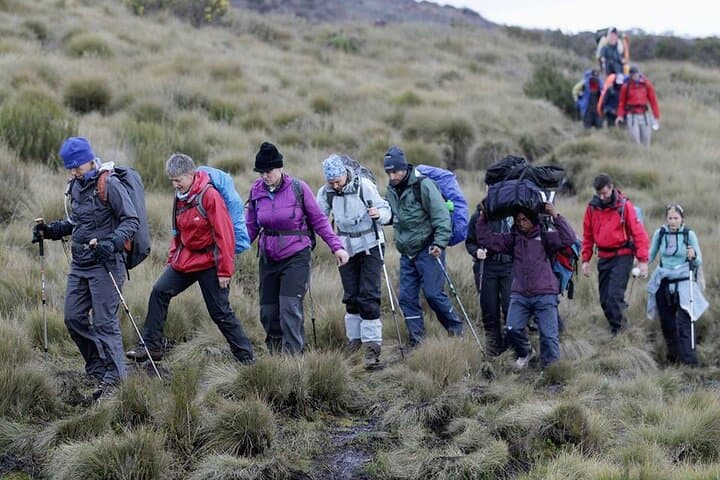
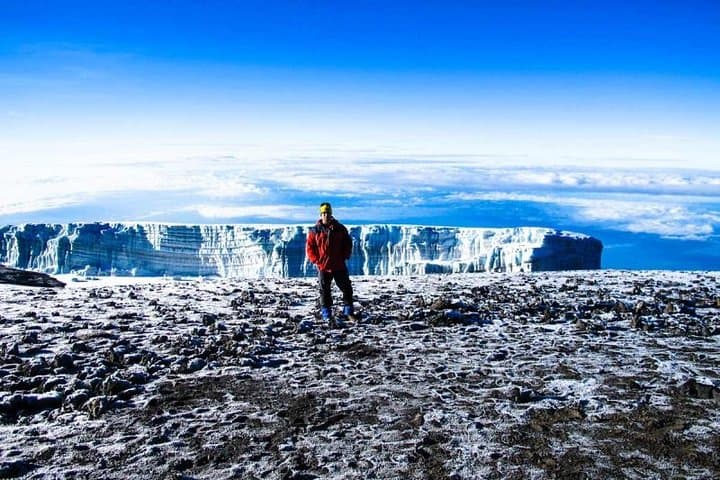
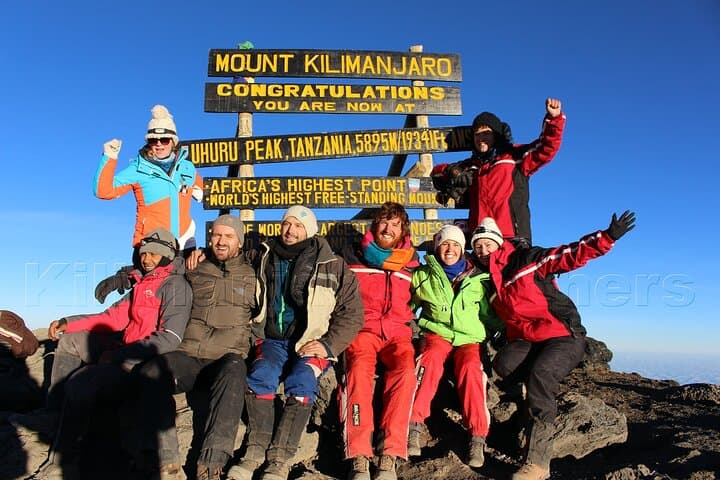
Dawn on Kilimanjaro arrives slow and gray, a pale hand pushing fog from the rainforest as porters thread through dripping leaves and the trail begins to climb. On day one the forest is thick and damp, Colobus monkeys chattering overhead, mist seeping into your jacket. By day four the trees give way to weirdly sculpted lobelia and heath; the air gets thinner, the sun grows bold and the mountain’s moods—fog, rain, grit, and clear blue—rotate like a gear.
Dawn on Kilimanjaro arrives slow and gray, a pale hand pushing fog from the rainforest as porters thread through dripping leaves and the trail begins to climb. On day one the forest is thick and damp, Colobus monkeys chattering overhead, mist seeping into your jacket. By day four the trees give way to weirdly sculpted lobelia and heath; the air gets thinner, the sun grows bold and the mountain’s moods—fog, rain, grit, and clear blue—rotate like a gear.
The Machame Route, nicknamed the Whiskey Route, is a seven-day itinerary built around one simple principle: climb high, sleep low. Starting at Machame Gate (about 1,490 m) and aiming for Uhuru Peak at 5,895 m, you'll cover roughly 60–65 km round-trip and gain roughly 4,400 vertical meters. The route is older than the modern tourist trail system—local Chagga people have long traversed these slopes—and it cuts across a range of ecological bands: montane rainforest, heather and moorland, alpine desert, and finally glacier-scarred summit terrain. Volcanoes built Kilimanjaro from basalt up; what you see now is weather and time chiseling it into shelves and ridgelines.
Culturally, Moshi and the foothill villages offer a concrete counterpoint to the high solitude: Chagga farms cling to steep terraces and coffee aromas follow you out of town. Guides, cooks and porters are the invisible engine of any successful summit; their pace and experience shape your acclimatization and safety more than gear alone.
Practically, this route is non-technical—no rope or crampon work for most parties—but altitude is the challenge. The itinerary supplied includes nights at Machame Camp (2,980 m), Shira (3,840 m), Lava Tower (4,630 m), Barranco, Karanga, Barafu (4,600 m) and Mweka for the descent. Expect muddy rainforest trails early on, volcanic scree on the summit approach, and cold nights that demand a good sleeping system.
To maximize success: hike conservatively, hydrate, and use the itinerary’s acclimatization days. Summit night is a long, slow climb from Barafu beginning around midnight—plan for 10–14 hours including descent. Respect weather windows; rain and fog are common and can make trails slick. Logistics are straightforward: group departures, professional guides, all food/ports/tents included in this offering.
If you go, treat the mountain with patience. Kilimanjaro gives and takes in equal measure—its weather dares you to push, its altitude teaches humility. With careful pacing and the right kit, Machame is one of the most rewarding seven-day high-altitude treks on the planet.